A political and military shockwave is now spreading across NATO after senior Pentagon officials reportedly signaled that Europe may need to begin handling Russia largely on its own under what analysts are calling “NATO 3.0.”
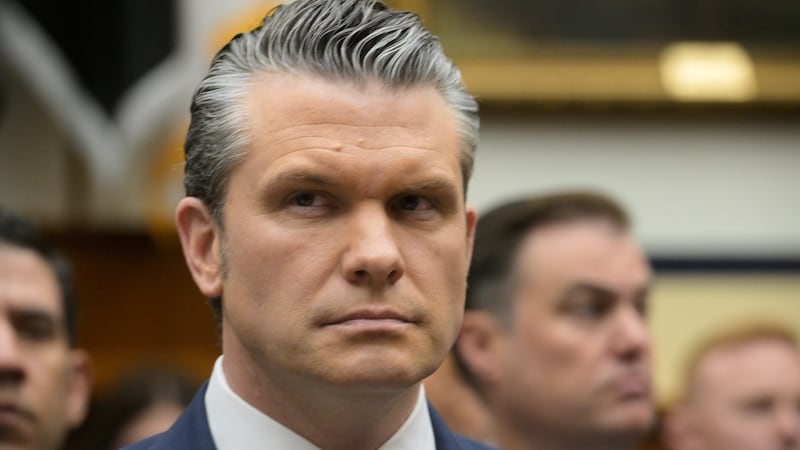
For decades, Europe relied heavily on American military power as the backbone of Western defense. From intelligence systems and missile defense to logistics, nuclear deterrence, and rapid deployment forces, the United States has long carried the overwhelming burden inside the alliance.
But something is now changing behind closed doors.
And European leaders appear to understand that the old security order may no longer be guaranteed.
According to growing reports from defense circles, senior figures inside Washington have increasingly pushed the idea that Europe must dramatically expand its own military capabilities rather than depending indefinitely on American taxpayers and military infrastructure.
The message coming from parts of the Pentagon has reportedly become much more direct:
Europe must prepare to defend itself.
And instead of panicking publicly, European governments may already be quietly building the foundations for exactly that future.
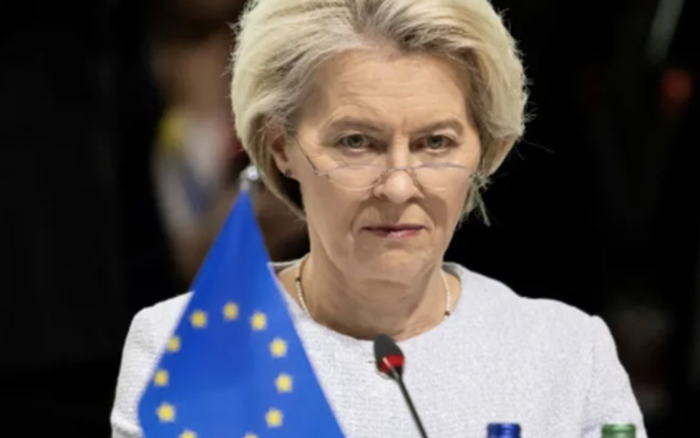
Defense analysts say at least five major European military coordination systems are now being expanded or developed simultaneously across the continent. While most ordinary citizens remain focused on elections, inflation, migration, and domestic politics, military planners across Europe appear increasingly focused on one central question:
What happens if America steps back?
That question would have sounded almost unthinkable only a decade ago.
Today, it is becoming one of the most important strategic discussions inside Europe.
The war in Ukraine accelerated many of these fears dramatically. European governments suddenly realized how dependent they remained on American satellite intelligence, weapons systems, logistics coordination, and defense manufacturing capacity. Without Washington’s support, Europe’s ability to sustain long-term military operations appeared far weaker than many leaders publicly admitted beforehand.
That realization triggered a major shift in strategic thinking.
Countries like France, Germany, Poland, Italy, and several Nordic states have since expanded defense spending aggressively while simultaneously discussing deeper European military integration independent from direct American control.
The goal is not necessarily abandoning NATO altogether.
At least not yet.
Instead, many officials appear focused on creating a parallel European capability strong enough to function even if American political priorities suddenly change.
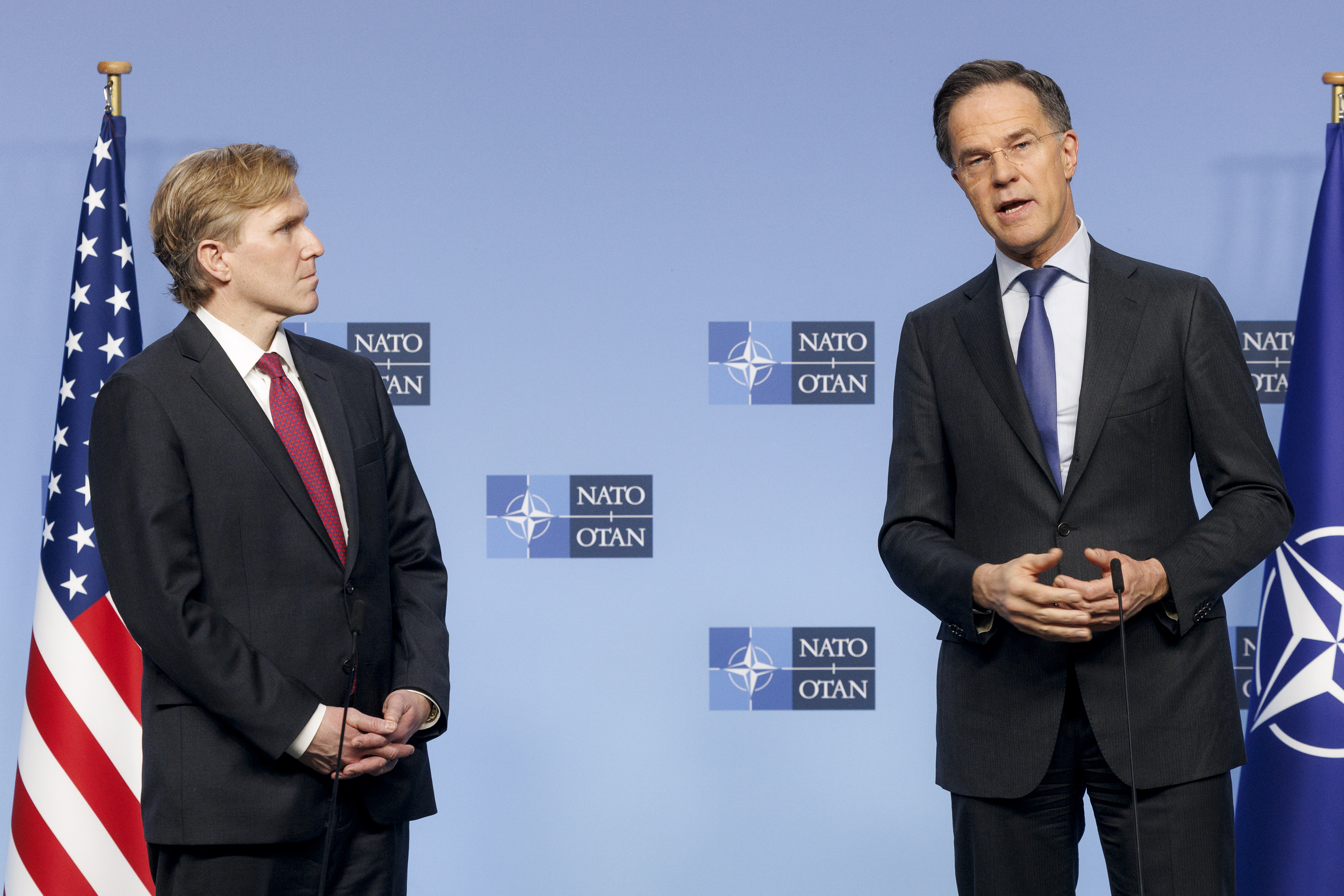
This is where the idea of “NATO 3.0” becomes politically explosive.
Traditionally, NATO operated under an assumption that American leadership inside the alliance was permanent and unquestioned. Europe provided support, manpower, and regional stability while the United States guaranteed overall military dominance and strategic coordination.
But rising tensions inside American politics have begun shaking that assumption badly.
Donald Trump’s repeated criticism of NATO allies over defense spending already created enormous anxiety inside Europe during his presidency. Many European officials feared Washington could eventually reduce commitments or demand radically different burden-sharing arrangements in future administrations.
Now those concerns appear to be turning into actual military planning.
Analysts believe Europe’s emerging strategy includes five critical areas:
Independent command structures.
Joint European weapons production.
Integrated missile defense systems.
Expanded rapid-response forces.
And greater strategic autonomy in cyber warfare and intelligence operations.
Individually, each development may seem technical.
Together, however, they represent something potentially historic:
The gradual emergence of a European military system capable of operating with far less reliance on Washington.
And that possibility changes global geopolitics enormously.
Russia is one major reason this transformation is accelerating.
European leaders increasingly believe the continent faces a long-term security confrontation with Moscow regardless of how the Ukraine conflict ultimately ends. That means Europe may require stronger industrial capacity, larger standing forces, and more coordinated defense systems for decades ahead.
But there is another factor driving this shift too:
China.
As American strategic focus increasingly pivots toward the Indo-Pacific region and competition with Beijing, many European governments fear Washington may eventually prioritize Asia over Europe militarily. If a major crisis involving Taiwan or the South China Sea erupted, American military resources could become stretched across multiple theaters simultaneously.
European leaders are clearly thinking about that scenario now.
And the implications are massive.
Because if Europe eventually becomes militarily more independent, the balance of power inside the Western alliance itself could begin shifting fundamentally. NATO would stop functioning as a primarily American-led structure and evolve into something much more multipolar internally.
That possibility creates both opportunities and risks.
Supporters argue stronger European defense autonomy would make the continent more resilient, less politically vulnerable to American elections, and better prepared for future crises. They believe Europe must mature strategically and stop relying indefinitely on external protection.
Critics warn the opposite could happen.
They fear separate military structures may weaken NATO unity, create duplication, reduce coordination efficiency, and slowly fracture the alliance that has underpinned Western security since World War II.
Meanwhile, Washington itself appears increasingly divided about the situation.
Some American policymakers welcome Europe taking greater responsibility for its own defense burden. Others worry independent European military systems could eventually reduce American influence over global security decisions and weaken U.S. strategic leverage across Europe.
That tension is now quietly growing underneath the surface of NATO politics.
And while most headlines still focus on Ukraine, tariffs, elections, and diplomacy, defense planners appear to be preparing for something far larger:
A future where Europe no longer assumes America will always lead.
Perhaps the most fascinating part of all is how quietly this transformation is happening.
No dramatic public declarations.
No formal breakup announcements.
No headlines declaring the end of NATO.
Instead, Europe is simply building capabilities step by step behind the scenes while publicly insisting alliance unity remains strong.
But power in geopolitics often shifts gradually before people fully notice it happening.
And many analysts now believe the Western alliance may already be entering one of its biggest strategic transformations since the Cold War itself.
The real question is no longer whether Europe wants more military independence.
The real question is how far that process will go once it truly begins accelerating.
Because once nations develop independent military power, command systems, and strategic autonomy, history shows they rarely give those powers back easily.
What do you think? Is Europe smart to prepare for a future with less American protection — or could this slowly weaken NATO and make the West more divided against Russia and China?






