A Nation on Edge: Impeachment Backlash and Political Turmoil in Washington
In early 2026, the United States finds itself navigating one of the most contentious political seasons in modern history, marked by blistering partisan divides, revived impeachment talk, and growing public unease with the direction of federal power.
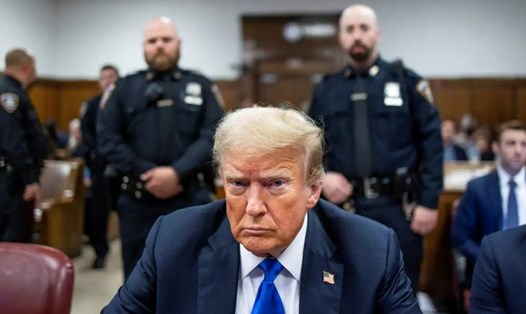
While no credible reports confirm a dramatic, bipartisan Senate uprising demanding an immediate impeachment vote — despite viral claims circulating online — the nation is nonetheless confronting unprecedented political instability. Instead, impeachment discussions have largely unfolded through conventional institutional channels, reflecting deepening concerns among lawmakers and voters about presidential authority, executive actions, and the balance of constitutional powers.
The Context: A Fractured Political Climate
Since his return to the White House, President Donald Trump has been a polarizing figure whose actions have repeatedly triggered political backlash. In recent months, his administration’s foreign policy decisions — notably a controversial operation in Venezuela and aggressive directives involving the Department of Justice — have sparked intense debate among both critics and allies.
Though these actions have invigorated calls for accountability, the claim that 140 senators from both parties demanded an immediate impeachment vote has not been substantiated by mainstream outlets. Indeed, the Republican-controlled Congress has shown little willingness to advance formal impeachment proceedings against the president, despite isolated calls from some lawmakers and advocacy groups urging such a move.
Impeachment Efforts in the House: Growing but Divided
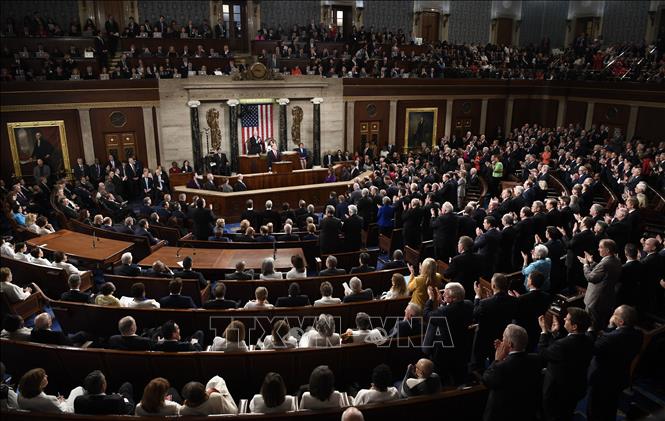
In the U.S. House of Representatives — where impeachment proceedings originate — efforts to challenge the president’s conduct are active but deeply divided. Previous attempts to introduce articles of impeachment have seen mixed results. In December 2025, a resolution brought forth by Representative Al Green, a Democrat from Texas, was shelved in a 237-140 vote without advancing to hearings, with House leadership arguing that impeachment requires a more thorough investigative process before moving forward.
A fact check by PolitiFact confirmed that there has been no credible evidence of broad Republican support for impeaching Mr. Trump, and that viral posts claiming such support were inaccurate.
Nonetheless, impeachment talk is more intense than at any point in recent years. Prediction markets have priced the odds of a House impeachment vote as significantly higher than typical, reflecting the heightened political stakes associated with control of Congress in the 2026 midterms.
Legal and Constitutional Debates
Beyond the political fray, legal scholars and lawmakers are debating the constitutional grounds and broader implications of impeachment. Some House members have cited alleged constitutional overreach, claiming that the president’s actions have bypassed congressional authorization on military initiatives and internal security operations. Others argue that these issues, while controversial, do not necessarily rise to the level of “high crimes and misdemeanors” required by the Constitution.
Amid these debates, broader questions about executive authority and the resilience of constitutional checks and balances have surfaced. A recent report from an international legal consortium designated the U.S. as a focal point for the “International Day of the Endangered Lawyer,” warning that increased political pressure on judges and lawyers could weaken the rule of law.
Midterm Elections: The Political Backdrop
Complicating the impeachment landscape are the upcoming midterm elections, which may reshape congressional control and determine the feasibility of any impeachment effort. President Trump himself has warned Republican lawmakers that failure to hold onto or expand their majorities could pave the way for renewed impeachment actions if Democrats regain power.
In public appearances, the president has stressed the importance of electoral success, framing it as a bulwark against what he frames as politically motivated attacks on his presidency. Analysts suggest that Trump’s rhetoric is aimed at rallying the Republican base while undercutting perceived initiatives by Democrats to hold him accountable.
Public Opinion and Political Ramifications
Public opinion is deeply polarized. Polling indicates significant disapproval of actions such as the broad pardon of January 6 Capitol attack defendants, fueling skepticism among independents and Democrats about the administration’s respect for justice and democratic norms.
Yet, many Americans also view impeachment as largely symbolic unless the Senate — which requires a two-thirds majority to convict and remove a president — is prepared to act. Historically, impeachment without conviction does not remove a president, but it does carry political weight and can signal institutional rebuke.
What’s Next? A Constitutional Test
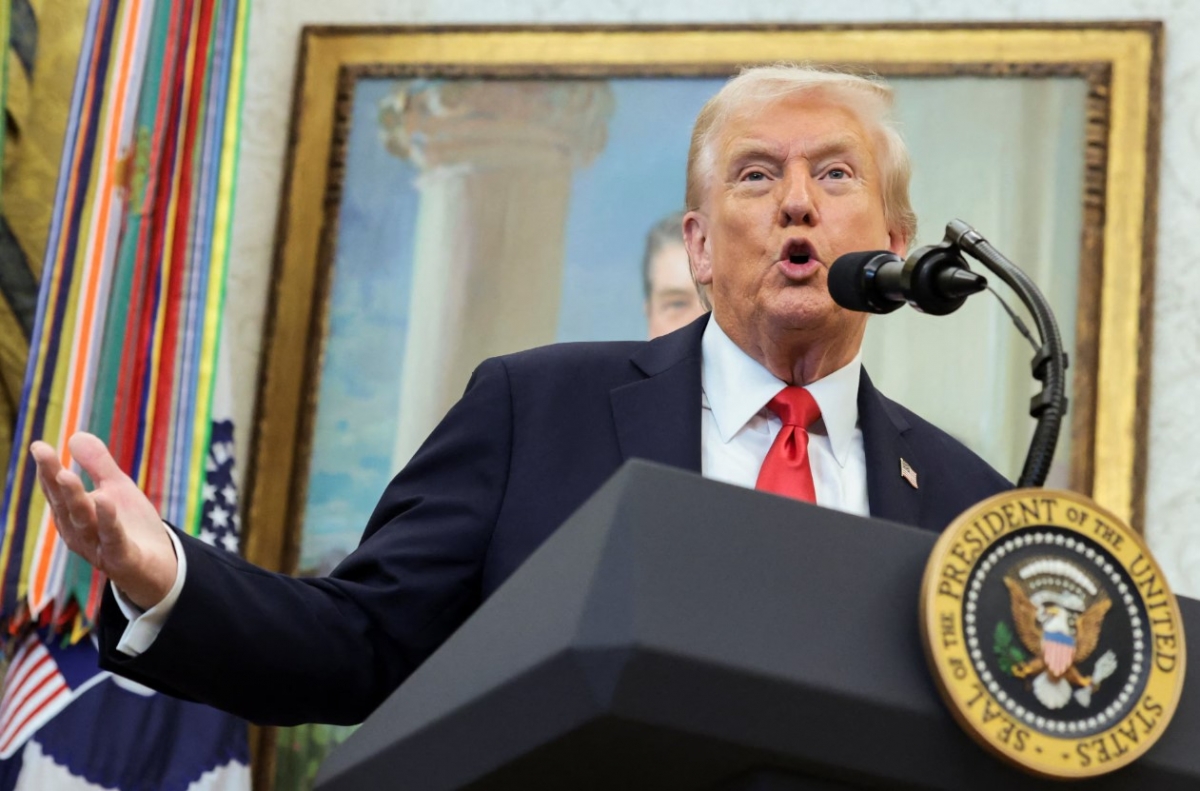
As the nation moves closer to the 2026 midterms, impeachment remains one of several potential flashpoints shaping an already volatile political season. Whether through formal House proceedings, mounting legal challenges, or continued public debate, the questions about presidential power and accountability are unlikely to fade.
For now, impeachment remains a live but highly uncertain political strategy — a barometer of deeper tensions within American democracy rather than an imminent constitutional crisis. The coming months will test not just political will, but the capacity of U.S. institutions to navigate disagreement without eroding the foundational principles they are designed to uphold.






