In a high-stakes geopolitical chess match that could reshape North America’s economic future, the United States has placed the entire $900 billion annual trade relationship with Canada on the negotiating table as leverage.
What Washington intended as a masterclass in economic coercion has instead triggered an unexpected Canadian counter-strategy that is forcing American officials to rethink their entire playbook ahead of the critical July 1, 2026 USMCA review deadline.
The numbers are staggering. According to verified data from the Office of the United States Trade Representative, nearly $900 billion in goods and services cross the Canada-U.S. border every year.
That entire relationship — once considered a symbol of continental partnership — is now being treated as a bargaining chip in Washington’s aggressive push for concessions.

As the mandatory six-year review of the Canada-United States-Mexico Agreement (USMCA, also known as KUSMA or CUSMA) looms, Canadian officials have formally documented at least three deliberate pressure tactics deployed by the American negotiating team. These are not speculation. They are recorded in official statements, public testimony, and treaty correspondence.
The first tactic: the deliberate public comparison with Mexico. U.S. Trade Representative Jameson Greer has repeatedly told reporters that negotiations with Mexico are progressing faster than those with Canada, creating an artificial sense of urgency and isolation for Ottawa. The message was clear — Canada is falling behind, and delay will carry a heavy cost.
The second tactic: tariffs deployed not as economic tools, but as political weapons. Beginning in early 2025, the Trump administration imposed sweeping 25% tariffs on Canadian steel, aluminum, and automotive components.
These measures targeted politically sensitive industries employing hundreds of thousands of Canadian workers, aiming to generate domestic pressure that would force Mark Carney’s government into premature concessions.
The third tactic: the manufactured deadline. Washington has framed July 1, 2026 as a hard cutoff requiring full resolution.
In reality, the USMCA treaty language only requires that the joint review process *begin* by that date — not that it must be completed. Canadian legal teams identified this distinction early and have refused to treat it as the crisis Washington hoped it would become.
Instead of panicking or rushing to the table, Carney’s government has responded with disciplined restraint. No preemptive concessions. No public displays of urgency.
No back-channel signals of weakness. Ottawa has held its position while quietly accelerating trade diversification efforts with the European Union, CPTPP partners, and Asian markets.
This calm approach is rooted in hard leverage that Washington appears to have underestimated. Canada supplies approximately 25% of all uranium imported by the United States — fuel that powers American nuclear reactors and underpins part of the U.S. nuclear deterrent. Replacing that supply chain is neither quick nor politically simple, given that the next largest supplier is Russia, a country under heavy American sanctions.
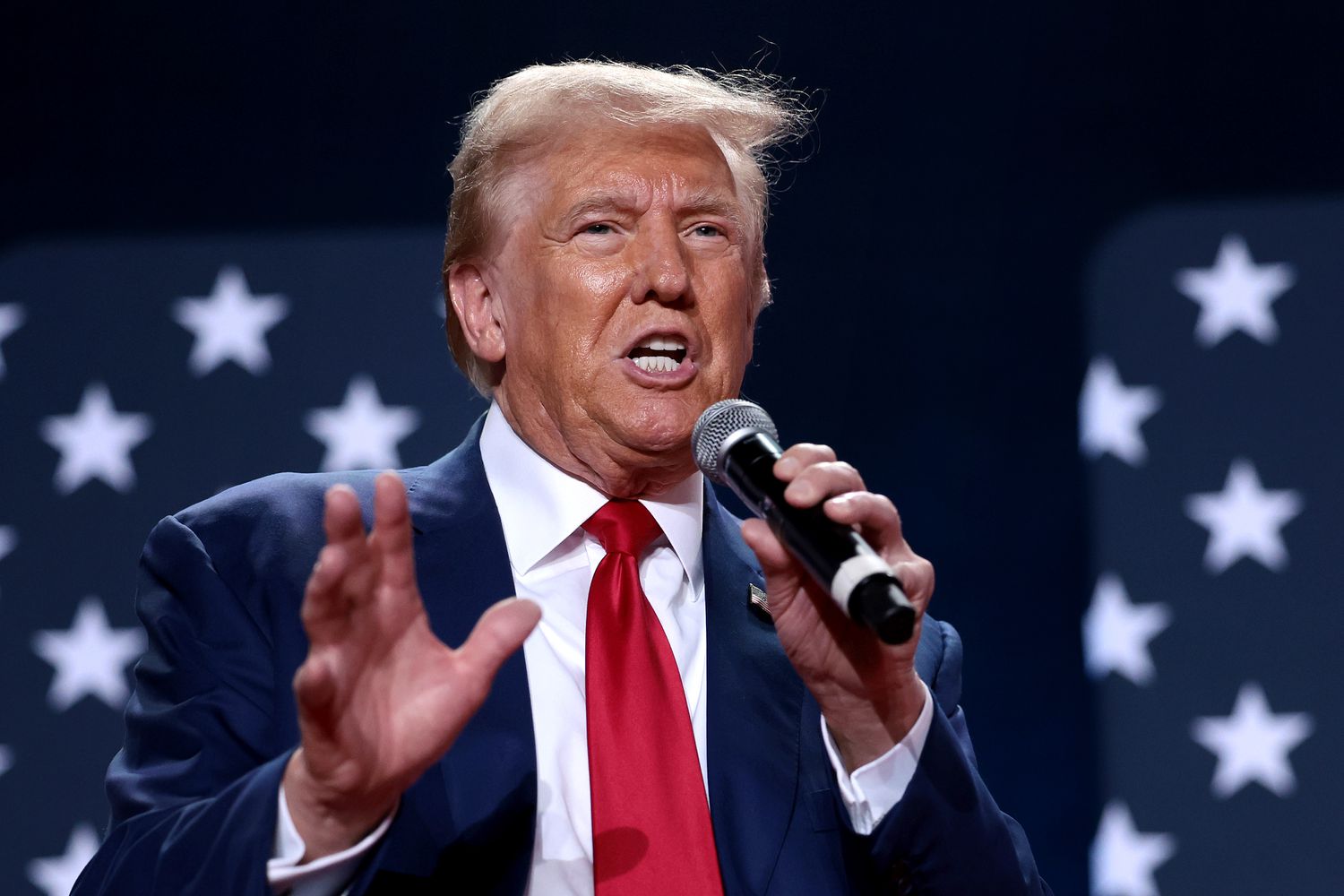
Canadian aluminum feeds U.S. aerospace manufacturing. Canadian potash supports American agriculture. Canadian crude oil flows through pipelines built specifically to process that grade. These are not easily interchangeable resources. By applying sustained tariff pressure, the U.S. inadvertently accelerated Canada’s long-term plan to reduce dependency rather than deepen it.
The human cost on the Canadian side is real and personal. In Windsor, Ontario, an automotive worker with 19 years on the assembly line now faces uncertainty. Higher production costs from 25% tariffs on components threaten jobs not just in final assembly but across the entire supply chain. Energy prices, currency volatility, and grocery bills are all feeling the ripple effects of prolonged trade tension.
Yet Carney’s strategy appears to be working.
By visibly building credible alternatives, Canada has shifted from a partner with “no choice” to a partner with options. In negotiating theory, that single change alters the entire power dynamic.
Looking ahead, three distinct scenarios are now possible.
In the first — a controlled compromise — Canada offers limited concessions in lower-stakes areas while protecting core interests in energy, uranium, and automotive rules. This is the most likely short-term outcome, but it risks teaching Washington that pressure campaigns succeed.
The second scenario — strategic stalemate — sees negotiations drag on past the July deadline. Canada uses the extra time to deepen diversification, arriving at future talks from a position of greater strength. This path demands political discipline but could yield stronger long-term sovereignty.
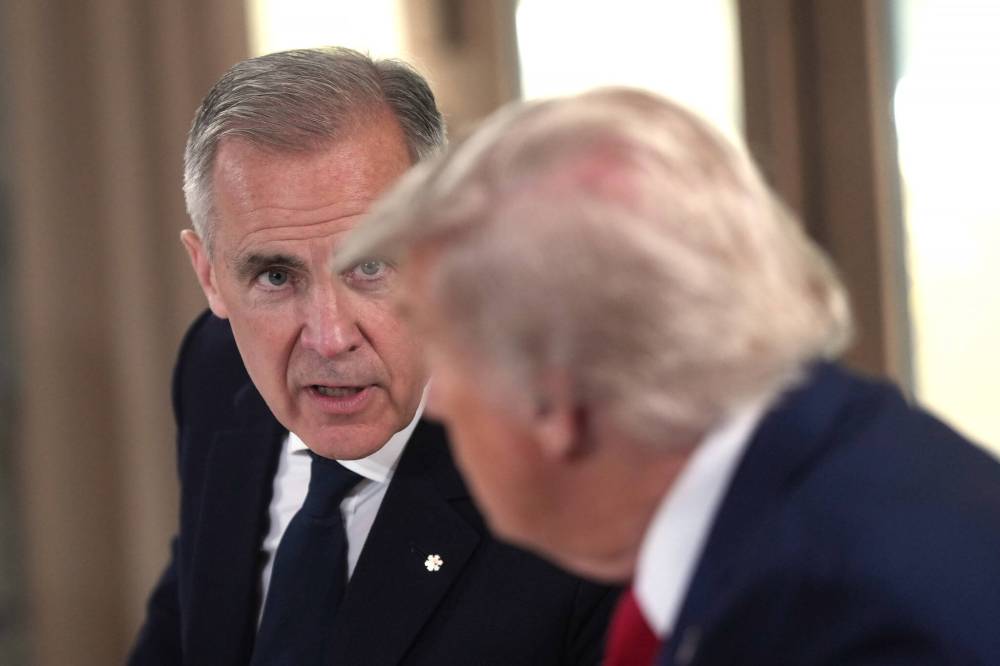
The third and most transformative scenario — strategic breakthrough — occurs if Canada’s diversification efforts succeed so thoroughly that it fundamentally rewrites the leverage balance before the review concludes. New trade frameworks with Europe and Asia, plus secured alternative buyers for key resources, would permanently change the conversation.
For over a year, Washington has deployed every standard pressure tool in its arsenal: tariffs, public messaging, manufactured deadlines, and competitive framing. None have produced the swift concessions American negotiators expected. That failure raises a fundamental question now echoing in trade circles on both sides of the border: where does the real leverage in this relationship actually sit?
The answer may be more uncomfortable for Washington than it first appeared. What began as an attempt to force Canada into a weaker position has instead exposed the structural limits of economic coercion between deeply integrated neighbors. As the July 1, 2026 review clock ticks, the world is watching to see whether quiet Canadian resolve can truly outmaneuver American aggression — or whether the $900 billion relationship will ultimately bend to the louder voice at the table.
The next move in this high-stakes game is coming sooner than most realize. And when it arrives, it will reveal not just who blinked first, but who truly understood the new rules of 21st-century resource and trade power.






