A Culture-War Flashpoint in Australia: Taxpayer-Funded Exhibition Sparks Furious Political Debate
CANBERRA, Australia — A fierce cultural and political controversy has erupted across Australia following explosive disclosures that the center-left Labor government, led by Prime Minister Anthony Albanese, allocated more than 365,000 Australian dollars in public funds to a highly provocative contemporary art exhibition. The showcase, which features overt partisan messaging, profanity-laced commentary, and explicit visual broadsides against right-wing political figures, has ignited a nationwide debate regarding state patronage of political activism.
The controversy centers on an installation that critics argue crosses the line from creative expression into direct partisan assault. Among the most contentious elements of the display are series of domestic items, including “woke” tea towels, printed with satirical and highly derogatory caricatures of Pauline Hanson, the fiercely nationalistic leader of the right-wing One Nation party and a polarizing figure in Australian politics for nearly three decades.
Beyond the direct political targeting of living politicians, the exhibition features historical revisions that have deeply offended traditionalist sensibilities. Another prominent display showcases classic historical imagery associated with Captain James Cook, the 18th-century British explorer celebrated in traditional narratives as the founder of modern Australia, scrawled over with explicit profanities and anti-colonial slogans.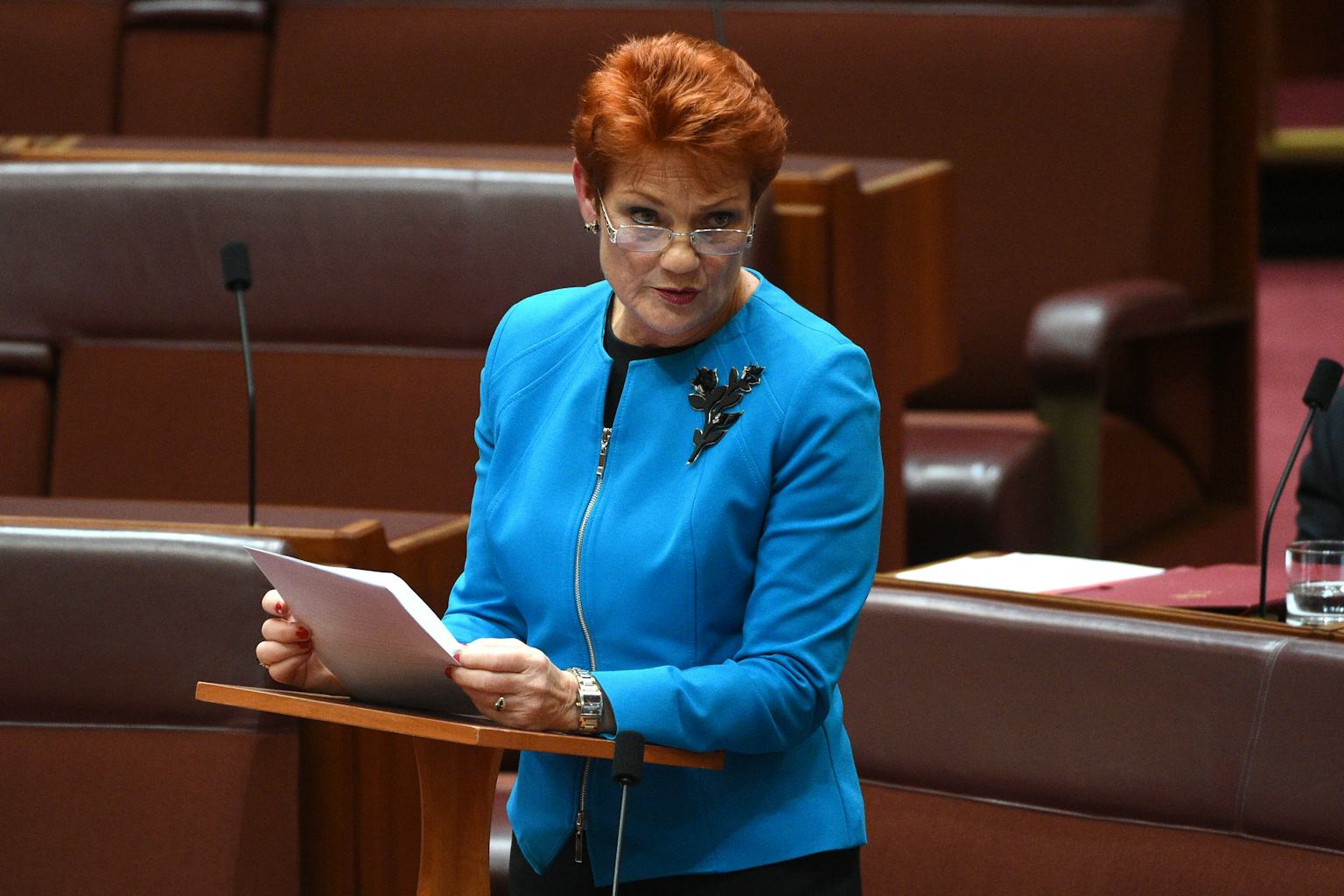
As news of the exhibition’s specific contents filtered into the public domain, a swift and intense backlash ignited across social media platforms. Tens of thousands of citizens, conservative commentators, and independent taxpayer advocacy groups expressed immense outrage, transforming what was intended as an avant-garde gallery experience into a volatile political crisis for the federal government.
The timing of the revelations has significantly exacerbated the public’s anger. Australia is currently grappling with one of its most severe macroeconomic challenges in a generation, characterized by persistent inflation, skyrocketing grocery prices, soaring energy bills, and a punishing housing affordability crisis that has forced many working-class families to severely curtail basic expenditures.
Against this grim economic backdrop, the revelation that hundreds of thousands of taxpayer dollars were quietly funneled into an elite, highly divisive cultural project has struck a raw nerve. Critics argue that struggling citizens are being forced to involuntarily subsidize radical political activism disguised as high art, at a time when ordinary households are finding it difficult to put food on the table.
Opposition lawmakers have seized upon the controversy, framing it as emblematic of an administration that has lost touch with the immediate, material realities of the electorate. Federal coalition representatives have demanded a full parliamentary inquiry into the grant approval process, questioning the exact mechanisms through which the funding was authorized behind closed doors.
Conversely, defenders of the exhibition, including several prominent figures within the Australian arts community and progressive policy institutions, have mounted a vigorous counter-narrative. They assert that artistic freedom must remain absolute and that public funding should never be contingent upon political neutrality or majoritarian comfort.

Supporters emphasize that contemporary art has historically functioned as a vital venue for robust social critique and political dissent. To strip funding from provocative installations, they argue, would set a dangerous precedent of state censorship, reducing the nation’s cultural landscape to sanitized, uncontroversial imagery that fails to challenge institutional power.
The inclusion of Pauline Hanson as a central target of the exhibition has guaranteed a highly combative political response. Since her entry into federal parliament in the mid-1990s, Ms. Hanson has built a political identity on fierce anti-immigration rhetoric, economic nationalism, and opposition to indigenous welfare programs, making her a lightning rod for progressive denunciation and conservative adulation alike.
Responding to the exhibition, representatives from One Nation issued a scathing condemnation, accusing the cultural elite of using working-class taxpayer resources to denigrate conservative voters. They argued that the installation represents an institutionalized disdain held by metropolitan arts bureaucracies toward the millions of regional and working-class Australians who align with nationalist viewpoints.
The controversy has also renewed scrutiny on Creative Australia, the federal government’s principal arts funding and advisory body. Historically known as the Australia Council for the Arts, the independent statutory agency operates under an “arm’s length” principle designed to insulate funding decisions from direct ministerial interference and political manipulation.
However, critics contend that the “arm’s length” doctrine has effectively mutated into an institutional shield, allowing bureaucratic committees to fund highly ideological projects without any democratic accountability. They argue that while ministers may claim statutory distance, the ultimate responsibility for the dispersion of public money rests squarely with the governing administration.
Inside the halls of Parliament House in Canberra, political strategists warn that the ongoing fallout could evolve into one of the Albanese government’s most damaging cultural controversies. The administration is already fighting defensive battles over its handling of the economy, immigration, and complex social policies, leaving little appetite for an escalating culture war.
For the Labor Party, which relies on a fragile electoral coalition spanning highly progressive inner-city metropolitan seats and socially conservative outer-suburban and regional electorates, the controversy poses a severe strategic dilemma. Visuals of profanity-laced anti-colonial art funded by the state threaten to alienate crucial working-class voters who view such displays as unpatriotic and wasteful.
Cultural historians observe that this incident echoes the “culture wars” that defined Australian politics during the late 1990s under conservative Prime Minister John Howard. During that era, battles over national identity, colonial history, and state-sponsored cultural institutions became central to electoral polarization, a dynamic that appears to be rapidly returning to the political forefront.
As the initial shockwaves ripple through the electorate, the public discourse is beginning to expand beyond this singular art exhibition. A growing chorus of citizens and independent journalists are questioning the broader scope of federal grant allocations, asking what other controversial initiatives have received public funding without widespread public awareness.
Demands for greater transparency in government spending have intensified, with calls for comprehensive digital registries detailing the exact ideological and political parameters of all publicly funded cultural grants. Independent crossbench senators have indicated they will use upcoming Senate Estimates hearings to aggressively interrogate arts officials regarding the evaluation criteria utilized for these grants.
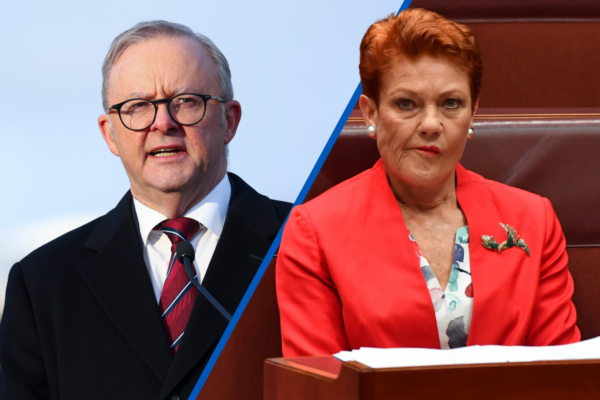
Ultimately, the escalating dispute underscores an unresolved global dilemma regarding the role of the state in cultural production. The question of whether a democratic government should remain a neutral custodian of public funds or an active patron of destabilizing political commentary remains a profoundly polarizing issue that continues to test the boundaries of national cohesion.
With a federal election hovering on the horizon, the political consequences of this artistic controversy are poised to intensify. What began as a provocative display within the insulated confines of a contemporary art gallery has now broken out into the public sphere, forcing an uncomfortable national conversation about wealth distribution, national identity, and the price of artistic provocation.






