The Quiet Boycott: How Canada’s Travel Shift Is Spreading Fear Through U.S. Tourism
ORLANDO, Fla. — The hotels along International Drive were supposed to be fully booked by now. With the FIFA World Cup approaching, every projection suggested a tidal wave of international visitors, record-breaking revenue, and a long-awaited recovery for America’s pandemic-battered hospitality industry.
Instead, the numbers tell a different story. And that story has a distinctly Canadian origin.
New data released this week shows weaker-than-expected hotel bookings across major U.S. host cities, from Los Angeles to New York to Miami. Industry analysts who once predicted a multibillion-dollar windfall are now quietly revising their forecasts downward.
The most striking decline, however, is not from Europe or Asia. It is from Canada—America’s largest source of international visitors—where travel to the United States has reportedly fallen for fifteen consecutive months.

“We have never seen a sustained decline like this,” said Adam Sacks, president of Tourism Economics, a research firm that tracks travel patterns. “Fifteen months is not a blip. It is a structural shift.”
The causes, according to dozens of interviews with travelers, tour operators, and industry executives, are not primarily economic. They are political.
“I used to go to Florida every winter,” said Margaret Chen, a retired teacher from Vancouver. “But I do not want to spend my money in a country where the leader mocks my prime minister and threatens my country’s economy. So now I go to Portugal.”
Ms. Chen is not alone. Canadian travel agencies report a dramatic surge in bookings to Europe, Asia, and Latin America. Destinations that once competed with the United States for Canadian tourists are now winning decisively.
“The shift is real, and it is accelerating,” said David Goldstein, CEO of the Tourism Industry Association of Canada. “Canadians are voting with their passports. And right now, the United States is losing.”
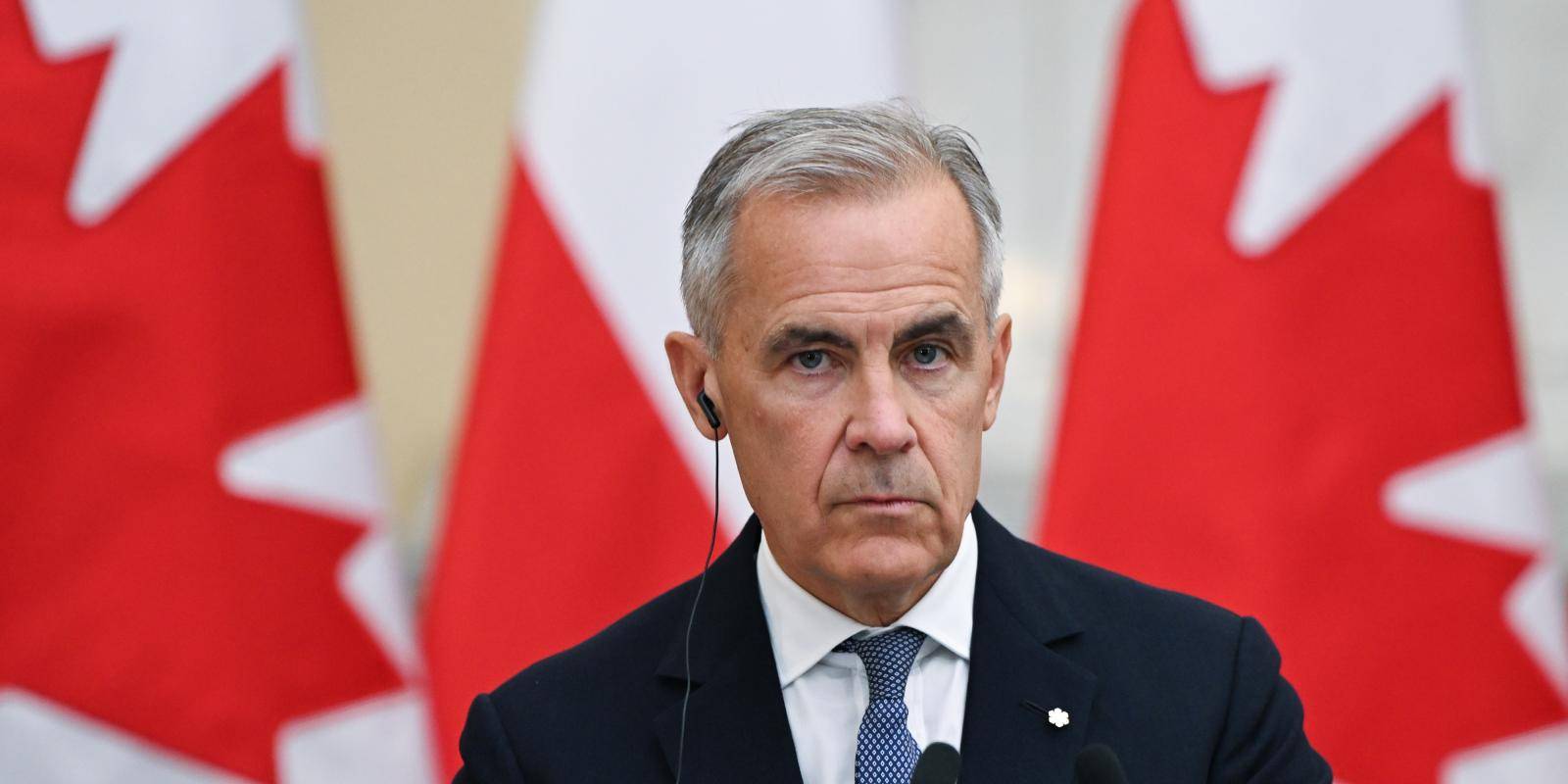
The irony, noted by several economists, is that Canada’s travel boycott was never formally organized. No government official called for it. No hashtag launched it. It emerged organically, driven by growing frustration with trade disputes, tariff threats, and the personal attacks directed at Prime Minister Mark Carney.
“You cannot insult a country’s leader for two years and then expect its citizens to show up as happy tourists,” said Dr. Mira Sokoloff, a professor of international relations at Johns Hopkins. “That is not how human psychology works.”
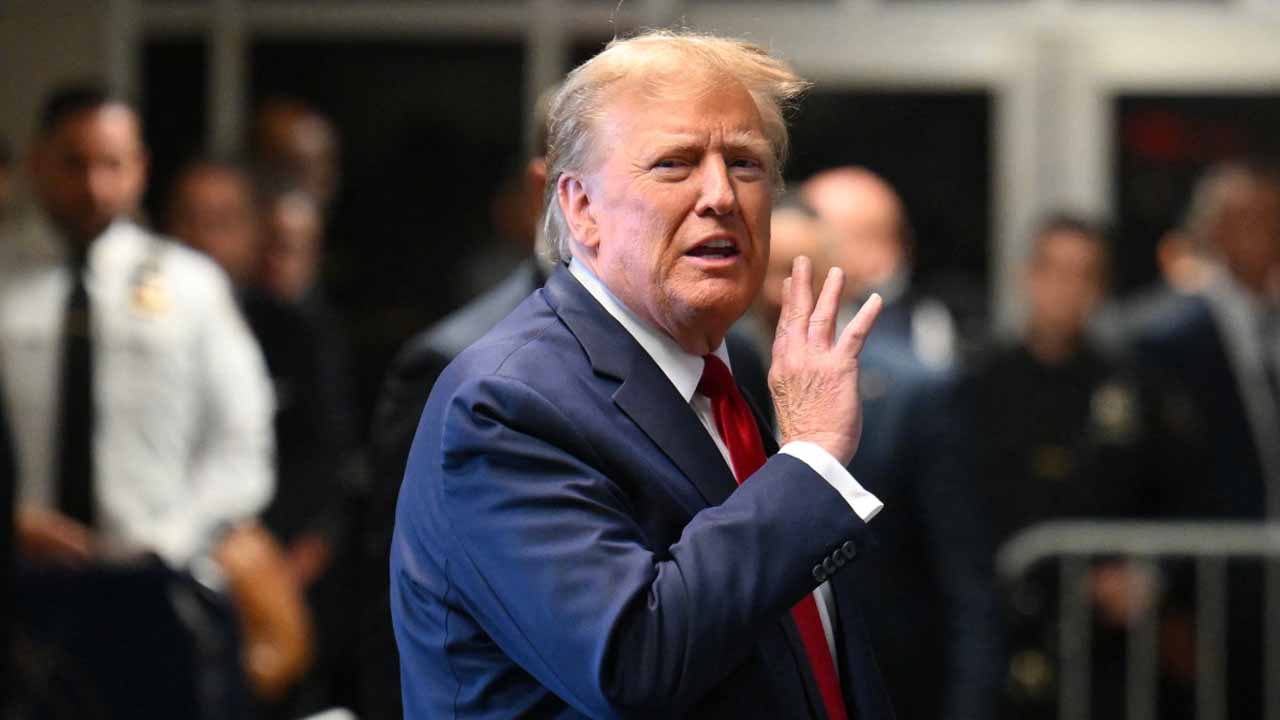
The data supports her claim. According to statistics from the U.S. National Travel and Tourism Office, Canadian arrivals peaked eighteen months ago and have declined every month since. The drop accelerated following Mr. Trump’s return to power and his aggressive trade rhetoric toward Ottawa.
“We used to see a clear separation between politics and travel,” said a senior executive at a major U.S. hotel chain, speaking on condition of anonymity. “That separation is gone. Canadians are making political decisions with their wallets.”
The FIFA World Cup was supposed to reverse the trend. Global sporting events typically override political grievances, drawing visitors who care more about soccer than diplomacy. But early booking data suggests that even the World Cup’s pulling power has limits.
“Pre-sales from Canada are significantly below projections,” said a source involved in tournament planning. “We expected a rebound. Instead, we are seeing Canadians choosing European matches over American ones.”
Under Mr. Carney’s leadership, Canada has pursued a deliberate strategy of economic diversification, reducing reliance on the United States across multiple sectors. Travel is the latest—and most visible—example.
“The prime minister has never told Canadians not to travel to the U.S.,” said a senior Canadian official. “He has simply given them reasons to feel confident exploring other options. And they have.”
Those options are flourishing. Canadian bookings to France are up 40 percent year over year. Italy is up 35 percent. Japan has seen a 50 percent surge in Canadian visitors, many of whom cite political stability and respectful international relations as factors in their choice.
“I feel welcomed in Japan,” said Michael Wong, a Toronto-based marketing executive who vacationed in Kyoto last spring. “I do not feel welcomed in the United States anymore. That is the difference.”
The economic impact on American border states has been severe. New York, Michigan, Washington, and Florida—all of which rely heavily on Canadian cross-border shopping, tourism, and seasonal travel—are reporting double-digit declines in Canadian spending.
“This is not a small thing,” said Brian Yacker, owner of a retail outlet mall outside Buffalo. “Canadian license plates used to fill this parking lot. Now I see more plates from Ohio than from Ontario.”
The Canadian government has not imposed travel restrictions. It has not issued warnings. It has simply allowed its citizens to make their own choices—and those choices have been remarkably consistent.
“There is a quiet boycott happening,” said a U.S. tourism official who requested anonymity to speak candidly. “No one is admitting it. But the numbers do not lie. Canadians are staying away.”
The Trump administration has offered no official response to the travel data. When asked about declining Canadian tourism during a recent press conference, the president pivoted to trade statistics, insisting that “they need us more than we need them.”
Travel industry executives disagree. “Tourism is a two-way street,” said Geoff Freeman, president of the U.S. Travel Association. “When Canadians stop coming, American jobs are lost. Hotel workers. Restaurant servers. Retail staff. These are real people.”
The long-term implications extend beyond the World Cup. If Canadian travelers have permanently rerouted their vacations away from the United States, the tourism industry faces a structural challenge that no marketing campaign can easily solve.
“Trust is hard to earn and easy to lose,” said Dr. Sokoloff. “The United States earned Canadian trust over decades. It is losing that trust in years.”
The contrast with Canada’s own tourism performance is instructive. Despite its colder climate and smaller population, Canada has seen steady growth in international arrivals, particularly from Europe and Asia. Many visitors cite political stability and a welcoming international posture as deciding factors.
“I wanted to visit a country that is not constantly in the news for the wrong reasons,” said a German tourist vacationing in Banff. “Canada felt safe. The United States did not.”
As the FIFA World Cup approaches, U.S. host cities are scrambling to fill empty hotel rooms. Discounts are being offered. Marketing campaigns are being retooled. But the Canadian market, once a reliable pillar of American tourism, remains stubbornly unresponsive.
“We have tried everything,” said a convention and visitors bureau director in a major host city. “We have reached out to Canadian tour operators. We have offered package deals. Nothing is working.”
The word “boycott” remains controversial. No Canadian organization has formally endorsed one. But in focus groups conducted by several travel industry groups, Canadian consumers consistently express reluctance to visit the United States for reasons rooted in politics and personal dignity.
“It is not about saving money,” one focus group participant said. “It is about making a point. And the point is: you cannot disrespect us and expect us to show up.”
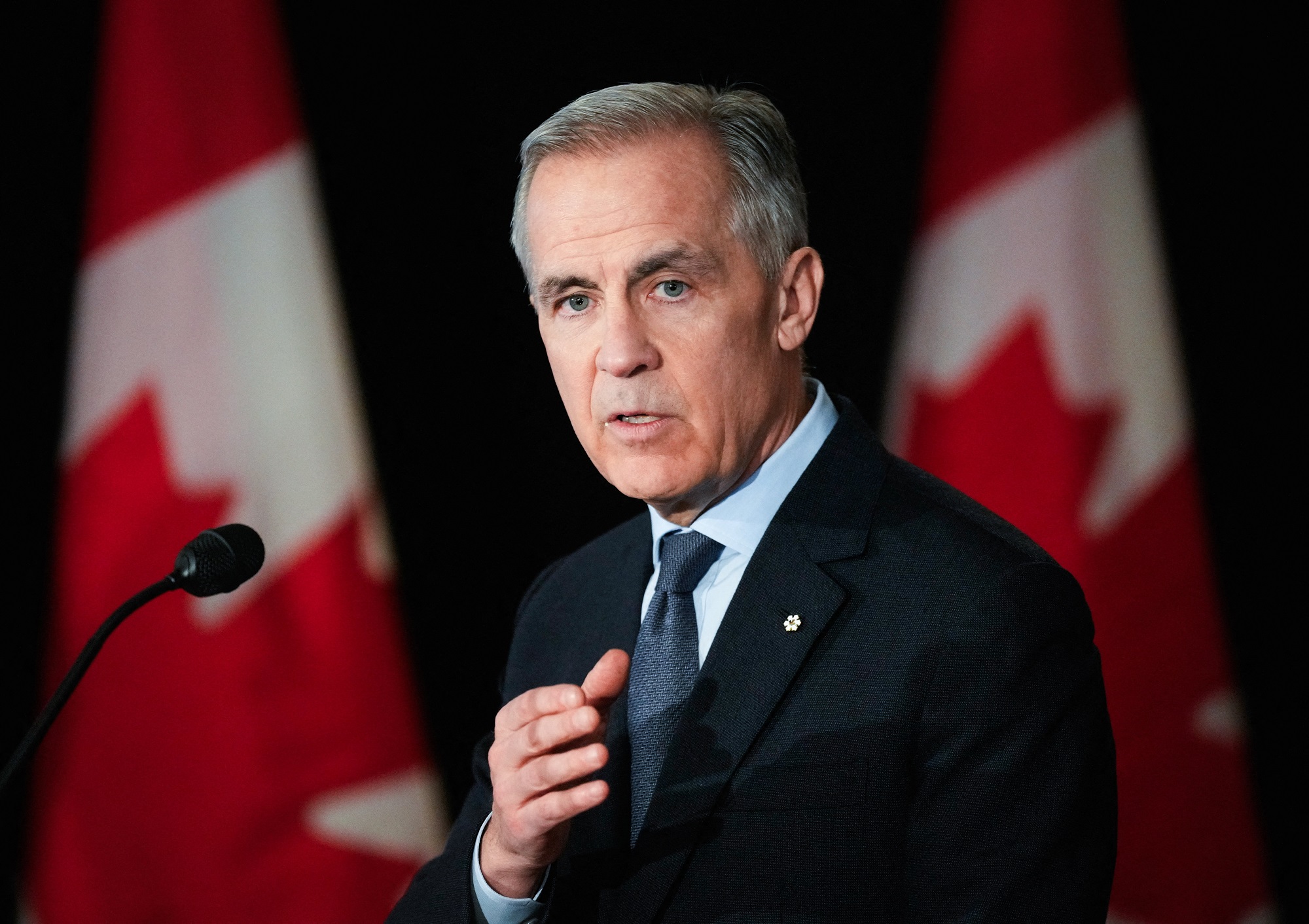
Mr. Carney, asked about the travel data during a press conference in Ottawa, declined to celebrate the trend. “Canadians make their own decisions,” he said. “My job is to ensure they have good options.”
He then listed those options: Europe, Asia, Latin America, and increasingly, domestic destinations within Canada itself. The implicit message was clear: the United States is no longer the default choice.
For American tourism officials, that is a nightmare scenario. For Canadian travelers, it is simply freedom of choice.
And for the FIFA World Cup, already facing headwinds from political controversy and logistical challenges, the quiet Canadian boycott may prove to be one more variable that no spreadsheet predicted.
The tournament will go on. The matches will be played. But in the empty hotels and half-full flights, a story is being written that no trophy can rewrite.
Canadians, it turns out, have other places to be. And the United States, for the first time in generations, is not one of them.






