In a move that has sent shockwaves through European political circles, Hungarian Prime Minister Viktor Orbán hosted Alice Weidel, co-leader of Germany’s Alternative for Germany (AfD) party, for high-level talks in Budapest. The meeting, which took place behind closed doors, has been described by critics as a direct challenge to the European Union’s authority and a sign of growing coordination among populist and right-wing forces across the continent.
While official statements from both sides were relatively measured, the optics and timing of the meeting have caused significant concern in Brussels. Ursula von der Leyen and other senior EU officials are reportedly monitoring the situation closely, viewing it as part of a broader effort by certain member states and opposition parties to push back against what they see as excessive centralization of power in the European Commission.
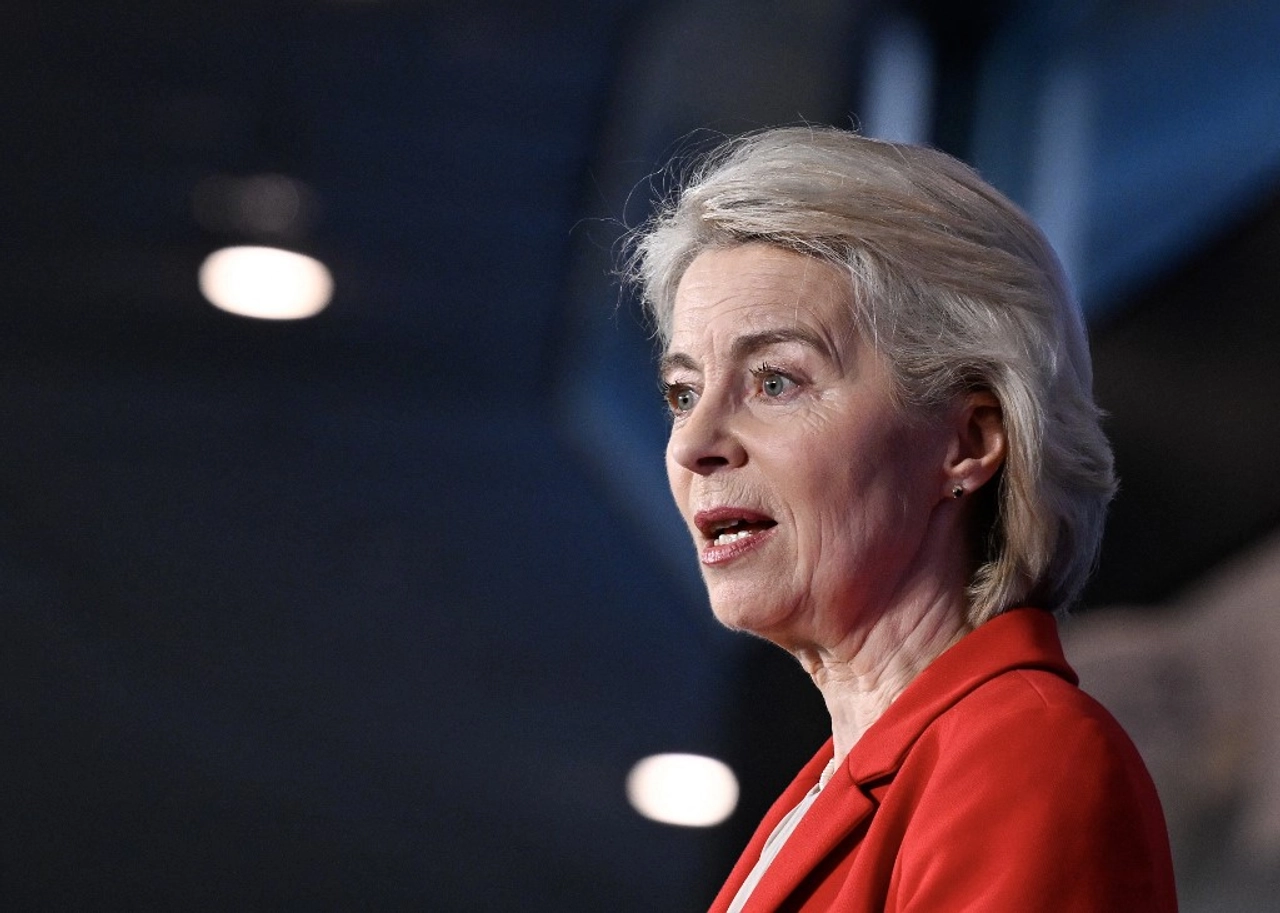
The discussions reportedly covered several sensitive topics, including migration policy, border security, energy cooperation, and the future direction of the European Union. Orbán, who has long been a vocal critic of EU migration policies and green energy mandates, is said to have found common ground with Weidel on the need for stronger national sovereignty and more restrictive immigration controls. Weidel, whose AfD party has been rising in German polls, has positioned herself as a fierce opponent of current EU policies on borders, climate targets, and fiscal centralization.
Sources close to the meeting suggest that both leaders expressed frustration with what they described as Brussels’ “top-down” approach to governance. They reportedly discussed the possibility of closer coordination between like-minded parties and governments to challenge certain EU decisions, particularly on migration quotas and energy policy. While no formal alliance or binding agreement was announced, the meeting itself was seen as a symbolic declaration of intent.
The reaction from mainstream European politicians and media has been swift and largely negative. Many commentators have accused Orbán of actively undermining EU unity and Weidel of legitimizing extremist elements in German politics. AfD has been largely isolated by Germany’s mainstream parties under a policy known as the “cordon sanitaire,” and Weidel’s willingness to meet Orbán has been criticised as a breach of that informal agreement.
Orbán, for his part, has defended the meeting as a normal diplomatic exchange between sovereign leaders and parties that share common concerns about the future of Europe. He has repeatedly argued that the EU has become too centralised and distant from the will of ordinary citizens, particularly in Central and Eastern Europe. His government has often clashed with Brussels over rule of law issues, migration, and judicial reforms.
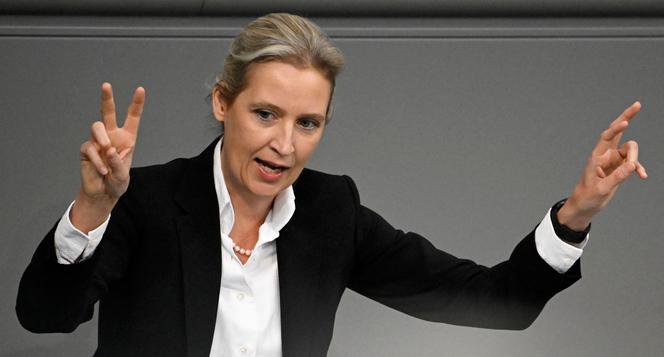
The timing of the meeting is particularly sensitive. With Germany heading toward federal elections and political instability rising across several EU member states, any visible alignment between Orbán and the AfD raises fears of a broader populist wave that could challenge the current European order.
Critics argue that this meeting represents a dangerous flirtation with nationalist and anti-EU forces that could weaken the bloc at a time when unity is needed to face external challenges such as the war in Ukraine, economic uncertainty, and competition with China and the United States. Supporters, however, see it as a legitimate expression of democratic dissent and a necessary pushback against what they view as an overreaching bureaucracy in Brussels.
The meeting has also highlighted the deep divisions within Europe between Western liberal democracies and more conservative governments in the East. While countries like France and Germany have pushed for deeper integration, nations like Hungary and Slovakia have increasingly resisted what they see as interference in their internal affairs.
Alice Weidel’s participation is especially notable given the AfD’s controversial status in German politics. The party has been accused by mainstream parties of harbouring extremist elements, and several German intelligence agencies have placed parts of the AfD under surveillance. Weidel’s decision to meet Orbán openly is being interpreted by some as a strategic move to normalise the party on the European stage.

For Viktor Orbán, the meeting serves multiple purposes. It reinforces his image as a leader who is unafraid to challenge Brussels, strengthens ties with like-minded movements across Europe, and distracts from domestic challenges in Hungary. Orbán has built his political brand on defending national sovereignty against what he calls “Brussels imperialism,” and this meeting fits neatly into that narrative.
The broader context is one of increasing fragmentation within the European Union. Populist and nationalist parties have been gaining ground in several member states, capitalising on public discontent over migration, inflation, energy costs, and perceived loss of national control. The traditional centrist parties that have dominated EU politics for decades are under pressure as voters look for alternatives.
Whether this meeting leads to any formal alliance or coordinated action remains to be seen. For now, it has succeeded in drawing attention and forcing European leaders to confront the reality that significant political forces are actively working to change the direction of the European project.
Brussels will likely respond with increased efforts to isolate both Orbán and the AfD, but the effectiveness of such strategies is diminishing as populist sentiment continues to grow. The meeting between Orbán and Weidel may ultimately be remembered as a symbolic moment in the ongoing struggle between national sovereignty and supranational integration in Europe.
As the dust settles, one thing is clear: the political landscape in Europe is shifting, and meetings like this one are both a symptom and a catalyst of that change. The coming months and years will determine whether these populist currents strengthen or ultimately fracture the European Union as we know it.






