Labour Revolt Erupts as Keir Starmer Faces Fierce Commons Backlash Over Mandelson Scandal

The pressure surrounding Keir Starmer intensified dramatically in the House of Commons after one of the most striking criticisms of his leadership came not from opposition benches, but from within his own parliamentary party. During a heated debate concerning the appointment of Peter Mandelson, Labour MP Emma Lewell delivered a speech that exposed growing unrest inside Labour ranks and deep concern about the political damage the controversy is inflicting on the government.
The debate centred on whether the Prime Minister should refer himself to Parliament’s Privileges Committee following questions over Mandelson’s appointment as British ambassador to the United States. Opposition parties argued that ministers may have misled Parliament regarding the vetting process that preceded the appointment. The government responded by imposing a strict three-line whip ordering Labour MPs to oppose the motion.
Inside Westminster, tensions had already been mounting for weeks before the debate took place. Reports had emerged suggesting that Mandelson failed aspects of a developed vetting process overseen by UK security officials before his appointment in December 2024. According to the account presented during the Commons debate, an override mechanism was later used by senior government figures to approve the appointment despite those concerns.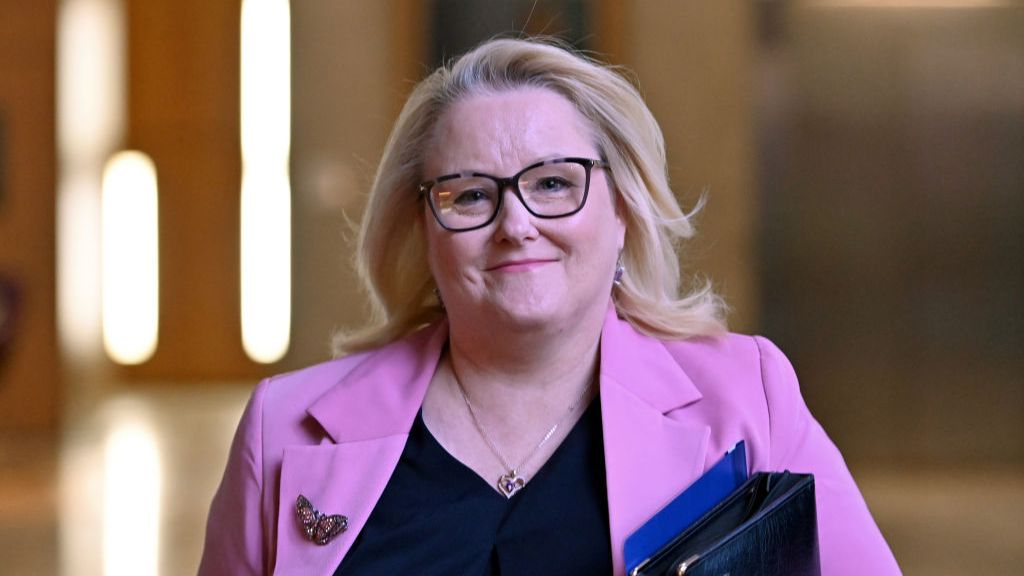
The controversy deepened months later when Mandelson was removed from his diplomatic post following the release of documents linked to convicted sex offender Jeffrey Epstein. Those documents allegedly contained correspondence involving sensitive financial information dating back to the aftermath of the 2008 financial crisis. The issue rapidly evolved from a personnel dispute into a broader argument about government judgment, transparency, and accountability.
For months, ministers defended the process by insisting that all appropriate procedures had been followed. However, according to the transcript presented in the Commons debate, Starmer later acknowledged that Mandelson had failed vetting checks and admitted the appointment was a decision he should not have made. That reversal significantly weakened the government’s earlier defence and intensified calls for further scrutiny.
Political anxiety inside Labour was heightened by polling figures circulating at the time of the debate. Public dissatisfaction with the government had reportedly increased sharply, while projections suggested growing electoral pressure from Nigel Farage and Reform UK in traditionally Labour-held areas. Local elections were approaching within days, adding urgency to concerns among Labour MPs about public trust.
The motion itself had been tabled by Conservative leader Kemi Badenoch, who argued that Starmer should voluntarily submit himself to investigation by the Privileges Committee. The committee carries significant constitutional authority and previously investigated former Prime Minister Boris Johnson over the Partygate scandal.
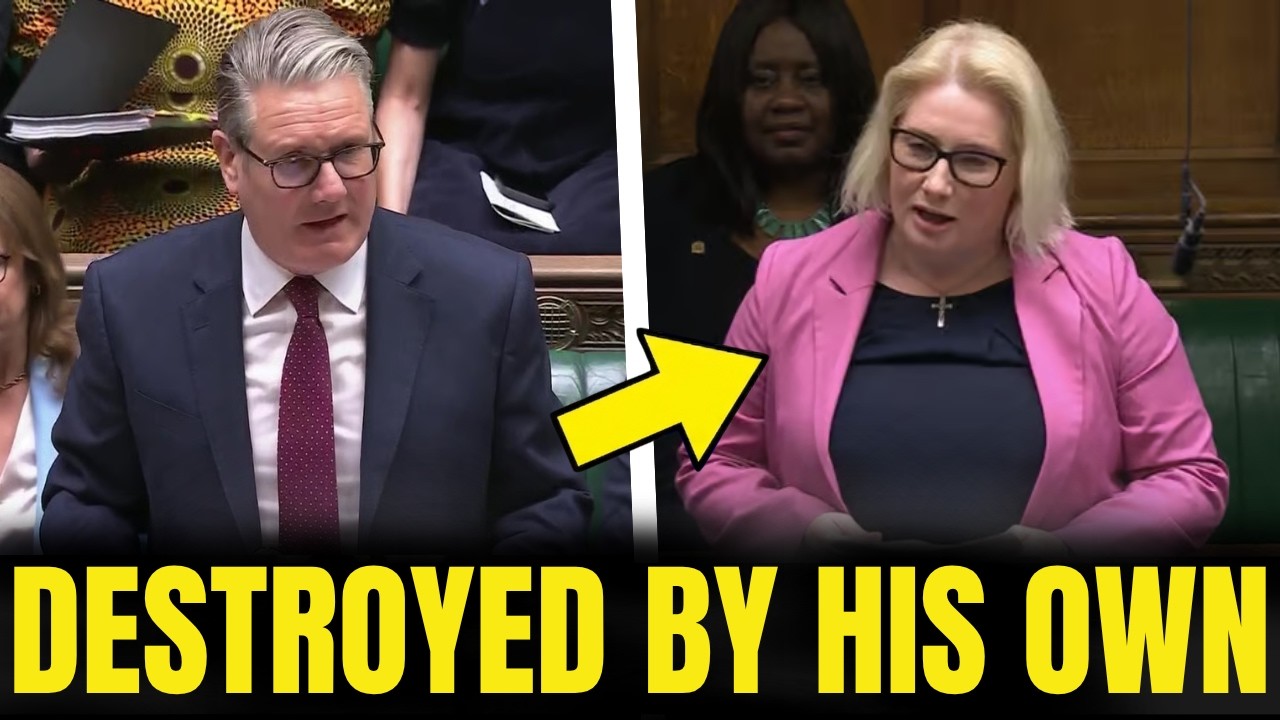
Despite the heavy pressure from party whips, 15 Labour MPs chose to rebel against the government’s position. Among those refusing to follow instructions were prominent left-wing MPs including John McDonnell and Richard Burgon. Although the motion was ultimately defeated by a substantial majority, the rebellion exposed visible fractures inside Labour’s parliamentary coalition.
The atmosphere inside the Commons reportedly became so tense that Speaker Lindsay Hoyle intervened after MPs were heard shouting “shame” at colleagues during the division process. The Speaker condemned the behaviour and demanded order be restored, underlining the seriousness of the internal divisions on display.
Emma Lewell’s intervention quickly became the defining moment of the debate. Representing the long-standing Labour constituency of South Shields, Lewell was not regarded as a habitual rebel against party leadership. Her background working with victims of child sexual abuse gave particular weight to the remarks she would go on to make in the chamber.
Speaking directly to the House, Lewell declared that Mandelson’s appointment “should never have happened,” describing it as a “fundamental failure of judgment.” She also criticised the government’s handling of the vote itself, arguing that forcing Labour MPs to oppose the motion had created the impression of secrecy and defensiveness.
Her remarks shifted from procedural criticism to a far more personal reflection on the political climate she was experiencing in her constituency. Lewell described confronting angry members of the public who questioned the government’s moral direction. She explained that the issue dominating conversations on the doorstep was not parliamentary process, but a growing belief that trust in politics had been fundamentally damaged.
The chamber reportedly fell unusually quiet as Lewell recounted the hostility she had personally faced. She described how constituents had shouted accusations at her in the street, using language she suggested reflected an increasingly toxic public mood surrounding the scandal. Her comments illustrated the emotional and political pressure now confronting Labour MPs defending the government.
Lewell argued that the Prime Minister should refer himself to the Privileges Committee voluntarily in order to “clear his name” and prevent the controversy from continuing to overshadow government business. She warned that allowing the issue to continue unresolved would dominate headlines and undermine every policy initiative Labour attempted to advance.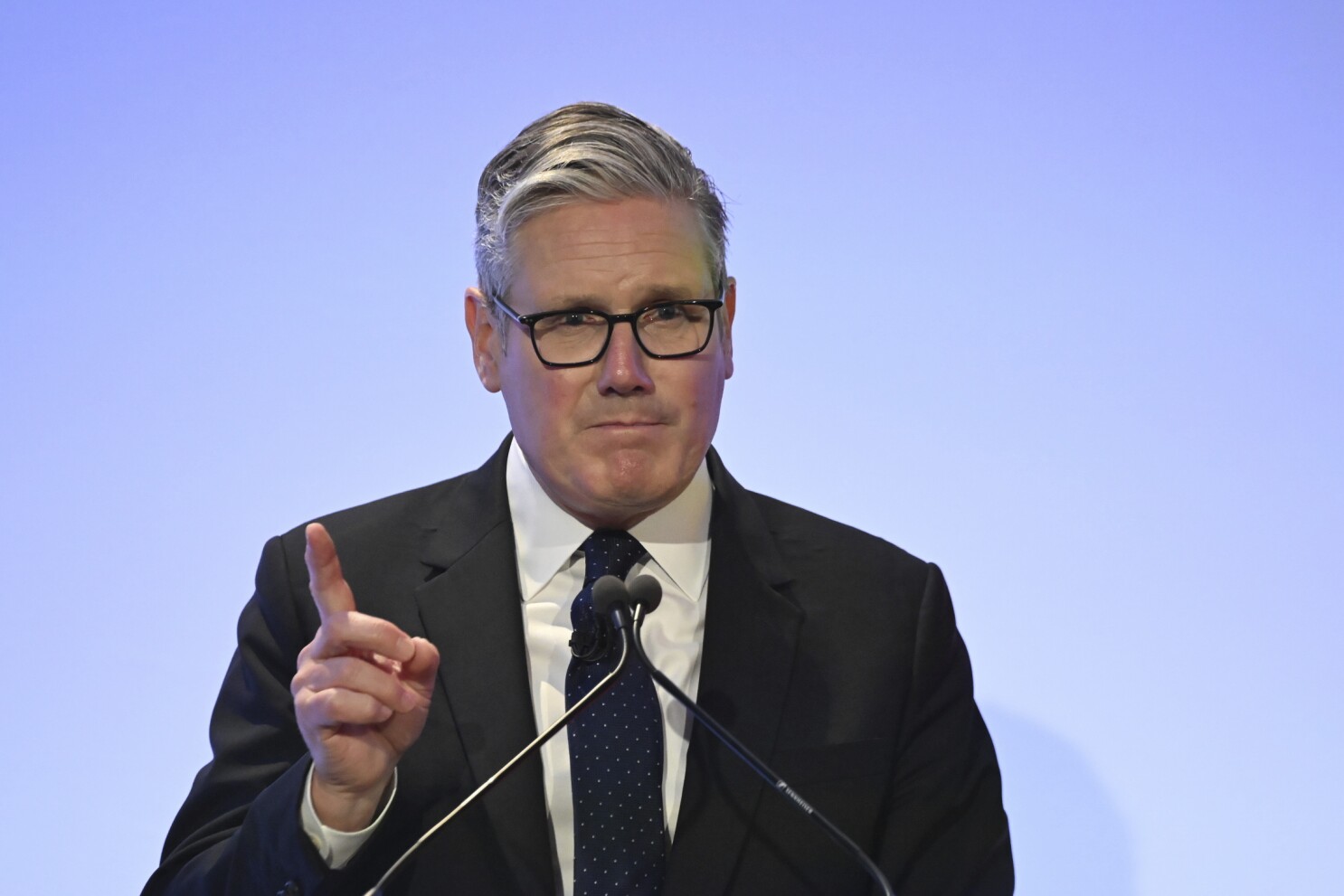
Her intervention also highlighted a deeper concern inside Labour that the government’s political instincts had become disconnected from public sentiment. Lewell stated plainly that voters were beginning to question not merely policy decisions, but the “moral compass” of the government itself.
Opposition parties seized upon the visible Labour divisions as evidence that Starmer’s authority had weakened. Ed Davey reportedly described the Prime Minister as appearing to be “in office but not in power,” while Conservative figures argued the scandal reflected either serious incompetence or deliberate concealment.
For many observers, the significance of the debate lay less in the final vote and more in the public spectacle of Labour MPs openly challenging their own leadership under intense party pressure. The sight of government MPs rebelling despite the threat of disciplinary consequences suggested broader dissatisfaction may exist beneath Labour’s parliamentary majority.
The Mandelson affair has also reopened longstanding debates in Westminster about standards in public life, transparency in appointments, and the limits of executive power. Critics argue that the government’s changing explanations have fuelled suspicion, while supporters insist procedural failures should not automatically be interpreted as deliberate misconduct.
At the centre of the controversy remains the unresolved question of what senior ministers knew about Mandelson’s vetting concerns before his appointment proceeded. The debate demonstrated that many MPs believe the issue cannot simply be contained through party discipline or procedural arguments alone.
What now confronts Starmer is not merely an opposition attack, but a credibility challenge emerging from within his own party. Emma Lewell’s speech resonated because it reflected anxieties many Labour MPs appear reluctant to express publicly: that public confidence in politics is becoming dangerously fragile and that controversies surrounding judgment and accountability can rapidly eclipse wider government achievements.
Although the Commons vote prevented an immediate Privileges Committee investigation, the political consequences of the debate continue to reverberate across Westminster. With questions still unresolved and public trust under strain, the Mandelson scandal remains a deeply contentious issue that is likely to shadow the government for months to come.






