Australians who had finally started to feel a little relief at the petrol pump are now facing a new wave of uncertainty after the federal government signaled that the temporary fuel excise cut may soon disappear.
For months, drivers across the country had watched fuel prices spiral upward as international tensions pushed global oil markets into chaos. Families were cutting back on travel, small businesses were struggling with transport costs, and regional Australians — many of whom rely heavily on their cars every single day — were feeling squeezed from every direction.
Then came the government’s temporary intervention.
Introduced in April, the three-month cut to the fuel excise was designed as an emergency measure to soften the blow caused by the escalating conflict involving Iran and growing instability in global energy markets. The reduction immediately lowered petrol prices and was welcomed by motorists already battling soaring inflation and rising household bills.
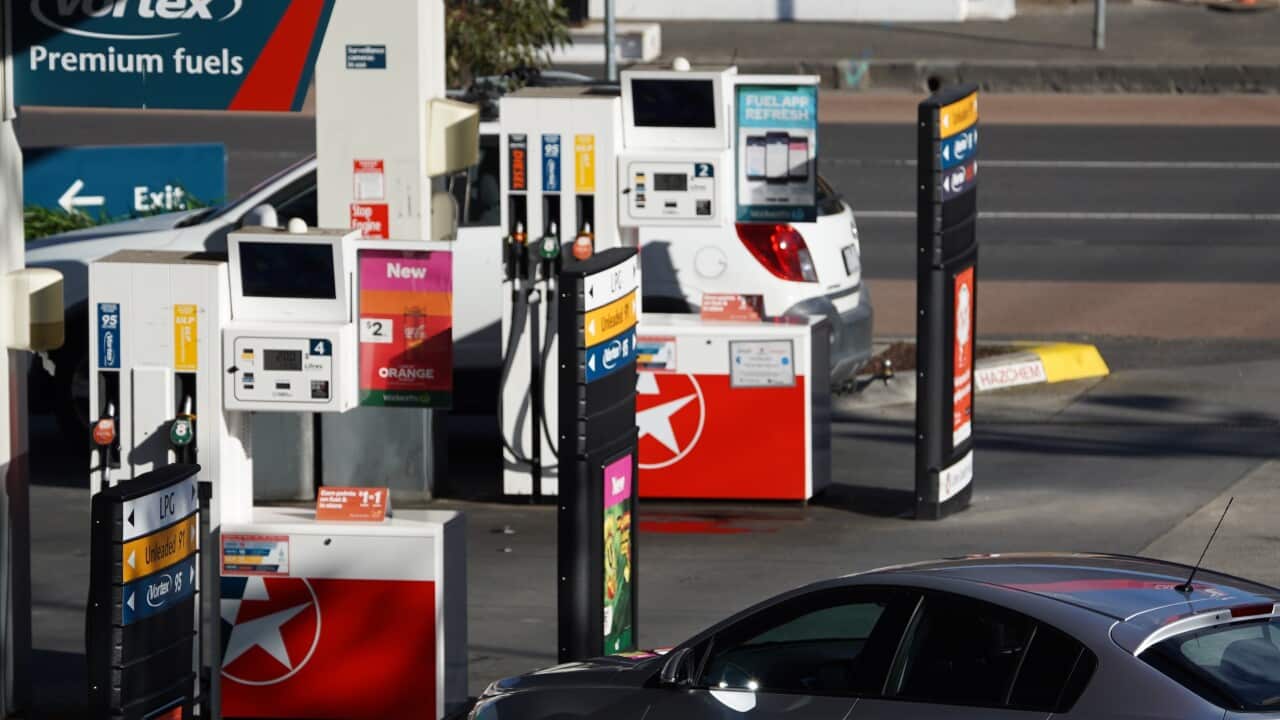
But now, with the end of June approaching rapidly, Australians are beginning to realize that the relief may have only been temporary.
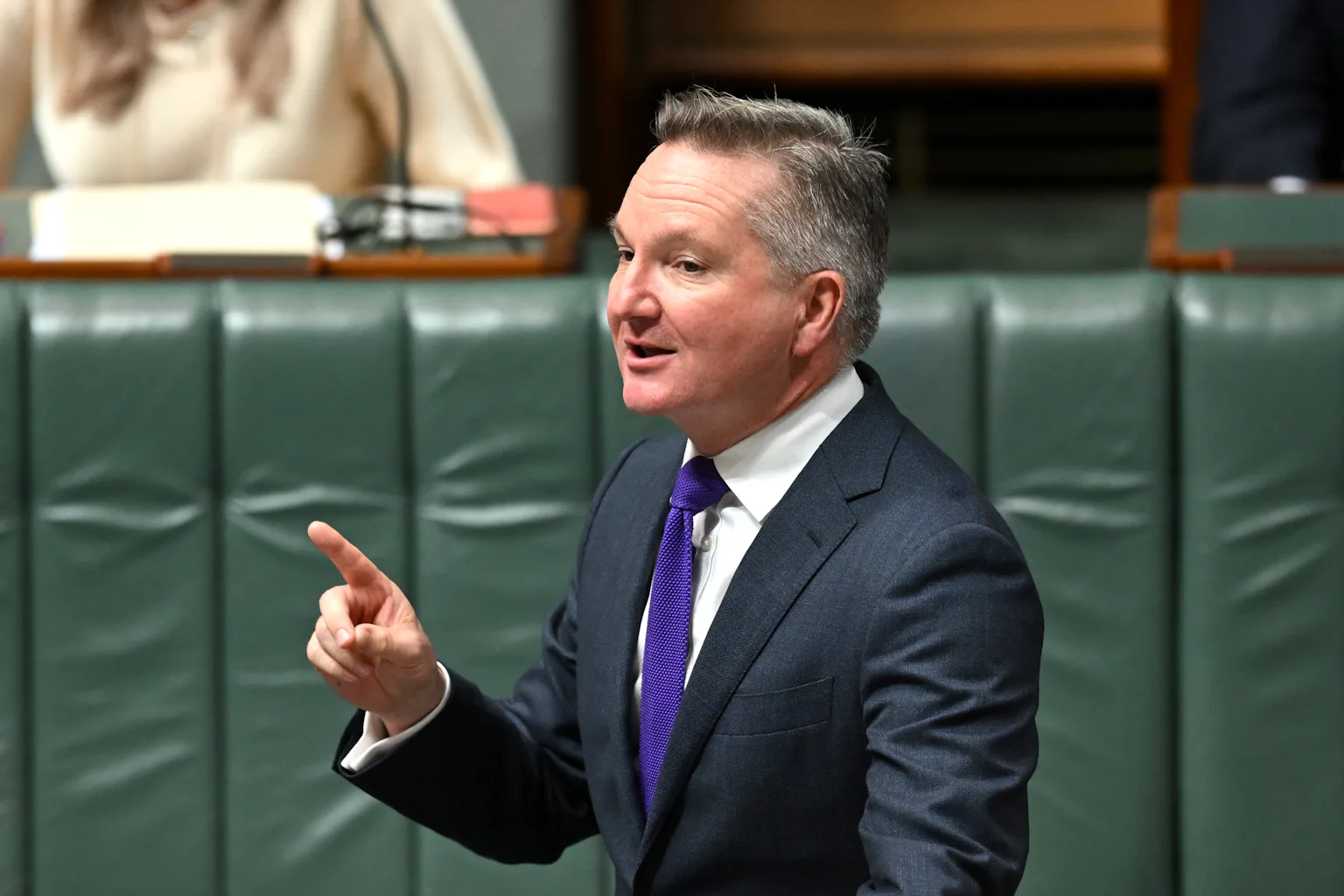
Federal Energy Minister Chris Bowen delivered the clearest indication yet this weekend that the tax cut was never intended to become permanent. Speaking to reporters, Bowen explained that while the government would continue monitoring the global situation closely, the measure had always been designed as a short-term response.
His comments instantly reignited fears that fuel prices could jump again within weeks.
For many Australians, the timing could hardly be worse.
The country is already dealing with a brutal cost-of-living crisis that has left households under enormous financial pressure. Grocery prices remain high, mortgage repayments have surged after repeated interest rate hikes, electricity bills continue climbing, and rents in many major cities have reached record levels.
Against that backdrop, even relatively small increases in fuel prices can have a massive impact on ordinary families.
Tradespeople, delivery drivers, regional workers, rideshare operators and small business owners are particularly vulnerable because fuel is not an optional expense for them — it is part of their daily survival.
The government insists it understands those concerns.
However, officials also point to the enormous financial cost of maintaining the excise reduction. According to federal estimates, the three-month measure has already cost taxpayers around $2.9 billion.
That figure alone has sparked fierce political debate in Canberra.
Some economists argue the excise cut provided important short-term relief but was never financially sustainable over the long term. Others believe removing it too quickly could deepen public frustration and further damage confidence in the Albanese government’s economic management.
Inside political circles, there is growing concern that rising fuel prices may once again become one of the dominant issues confronting voters.
What makes the situation even more complicated is the increasingly dangerous international backdrop.
The war involving Iran has sent shockwaves through global energy markets and intensified fears over fuel supply disruptions worldwide. One of the biggest concerns remains the Strait of Hormuz — one of the most strategically important shipping routes on Earth.
Roughly one-fifth of the world’s oil supply passes through that narrow waterway.
Any instability there immediately affects global fuel prices.
Recent closures and security threats in the region have already caused significant volatility, pushing governments around the world to reassess their fuel security strategies.
Australia, despite being a major energy exporter, remains heavily dependent on imported refined fuel products. That vulnerability has worried national security experts for years.
Perhaps recognizing the growing anxiety, the federal government has started aggressively strengthening emergency reserves.
Chris Bowen confirmed that Australia has secured an additional 50 million litres of diesel as a protective buffer for Western Australia, where supply disruptions could have especially serious consequences due to the state’s geographic isolation and heavy reliance on mining and transport industries.
The government has also added another 50 million litres of jet fuel to national reserves amid what Bowen described as growing international concern over aviation fuel supplies.
Only days earlier, Canberra announced that around 100 million litres of extra jet fuel shipments had been secured from China and would begin arriving in June.
Those moves have reassured some industry figures but alarmed others.
Critics argue that if the government is urgently expanding fuel reserves, then officials may privately fear far greater global instability than they are publicly admitting.
That speculation has exploded online in recent days.
Social media platforms have filled with warnings, theories and anxious discussions from Australians worried about potential shortages, future price spikes and the country’s overall preparedness for a prolonged international energy crisis.
Some users have even begun sharing photos of long queues at petrol stations, although there is currently no evidence of widespread panic buying.
Still, the mood remains tense.
According to the latest government figures, Australia currently holds about 43 days’ supply of petrol, 31 days of jet fuel and 38 days of diesel.
While officials insist those levels remain stable, energy analysts continue debating whether that stockpile would be enough during a major global disruption.
The issue has also become politically explosive because the opposition is increasingly framing Labor as reactive rather than prepared.
Several critics argue Australia should have invested far earlier in stronger domestic refining capacity instead of becoming so reliant on overseas fuel supplies.
Others say the government now faces an impossible balancing act.
On one hand, continuing the excise cut would help struggling households already battered by inflation. On the other, extending such an expensive policy would place even more pressure on the federal budget at a time when spending demands are exploding across healthcare, housing, defence and infrastructure.
The May federal budget appeared to reveal where the government’s priorities currently lie.
While no funding was allocated to extend the excise relief, the budget did include $3.2 billion for a new government-controlled fuel reserve aimed at strengthening long-term national energy security.
That decision has divided opinion sharply.
Supporters say building larger reserves is a responsible strategic move in an increasingly unstable world. Critics counter that ordinary Australians care far more about immediate petrol prices than future stockpiles.
For Prime Minister Anthony Albanese, the political stakes are becoming increasingly dangerous.
His government came to power promising relief for struggling Australians and a more stable economic future. But with inflation pressures lingering and global instability worsening, maintaining public confidence is becoming harder every month.
Fuel prices carry enormous symbolic power in Australian politics because motorists see them constantly. Unlike broader economic indicators, petrol costs hit consumers directly and visibly several times a week.
Every sudden increase becomes a reminder of broader financial stress.
That is why the possible end of the excise cut is generating so much anxiety.
Many Australians fear that once the temporary reduction disappears, fuel companies could quickly push prices significantly higher again — especially if tensions in the Middle East continue escalating.
For now, the government is trying to calm those fears while avoiding firm commitments.
Bowen repeatedly emphasized that Canberra would continue monitoring international conditions closely. But noticeably, he stopped short of promising any extension of the excise cut itself.
That ambiguity has left millions wondering what happens next.
Will the government eventually bow to public pressure and extend the relief if prices surge again?
Or will Australians soon face another painful increase just as household budgets are already reaching breaking point?
As global tensions intensify, energy markets remain unstable and the cost-of-living crisis deepens, one thing is becoming increasingly clear: the battle over fuel prices may soon become one of the biggest political fights in Australia once again.






