A Rare Glimpse of Intimacy: Viktor Orbán Serenades His Wife at a Private Dinner
BRUSSELS — In a moment far removed from the sharp edges of European politics, Viktor Orbán, Hungary’s long-serving prime minister, offered a deeply personal performance that left guests at a private gathering visibly moved. At a closed-door reception held at the couple’s residence on Thursday evening, Mr. Orbán surprised attendees by singing a special song dedicated to his wife, Anikó Lévai.
The intimate scene unfolded amid soft lighting and a hushed atmosphere. Ms. Lévai, seated among a select group of Hungarian officials and trusted invitees, watched her husband with visible emotion, her eyes glistening with tears as he performed.
For those present, the evening represented a striking departure from the public persona of one of Europe’s most polarizing leaders. The prime minister, known for his combative stance in Brussels and firm grip on Hungarian politics, revealed a tender side rarely seen beyond family circles.
According to accounts from attendees who spoke on condition of anonymity, the performance centered on themes of shared years, enduring commitment, and the strength of their partnership. Mr. Orbán’s voice, described as sincere and unpolished, filled the room with genuine feeling.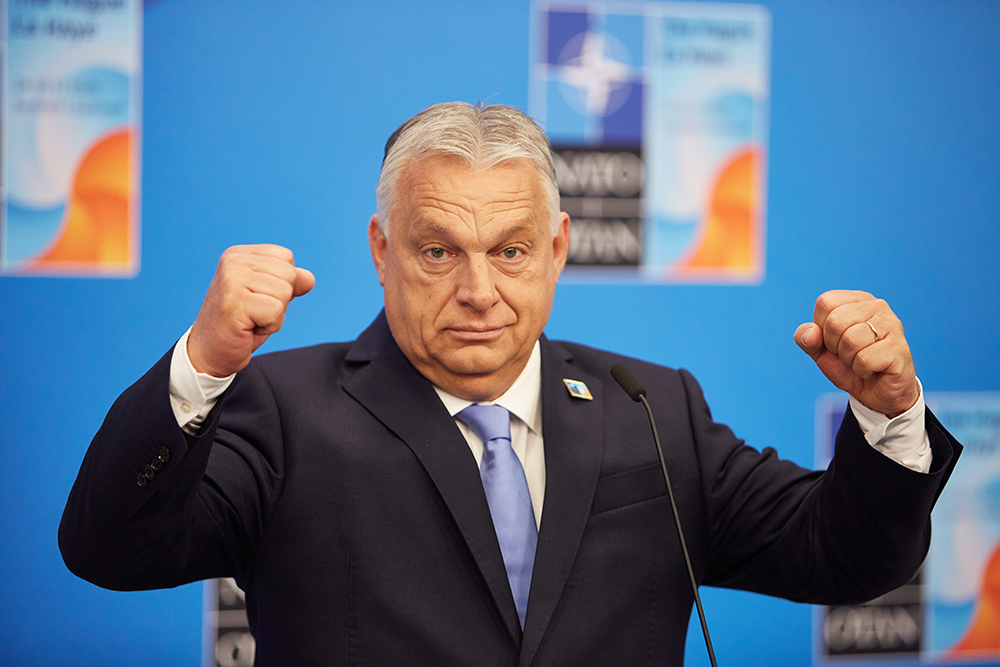
The moment seemed to suspend time. Guests sat in respectful silence, some exchanging glances as the melody unfolded. What began as a formal dinner transformed into something more personal and memorable.
Ms. Lévai, who has largely remained out of the political spotlight despite decades of marriage to Mr. Orbán, appeared deeply touched. Those close to the family say their relationship has been a quiet anchor amid the turbulence of public life.
The couple, who married in 1986, have five children together. Throughout Mr. Orbán’s rise from anti-communist activist to dominant figure in Hungarian governance, Ms. Lévai has maintained a low public profile, focusing on family and charitable causes.
Political observers note that such private displays, while humanizing, stand in contrast to the often uncompromising image Mr. Orbán projects on the international stage. In recent years, his government has clashed repeatedly with European Union institutions over rule-of-law issues, migration policy, and Ukraine aid.
Yet on this particular evening, politics appeared distant. The gathering was described as small and exclusive, limited to a circle of close associates, senior officials, and personal friends. No media were present, and details only emerged through private recollections shared afterward.
One guest recounted how Mr. Orbán introduced the song with a brief, affectionate remark about the journey he and his wife had traveled together. The performance reportedly lasted several minutes, its emotional weight amplified by the subdued lighting and the quiet attention of the room.
The choice of a personal serenade surprised even longtime associates. While Mr. Orbán has occasionally shown a more relaxed side in domestic settings, public expressions of affection toward his wife have been infrequent.
In Hungarian society, where family values often feature prominently in conservative political rhetoric, the episode is likely to resonate with supporters. It reinforces the narrative of Mr. Orbán not only as a statesman but as a devoted husband and father.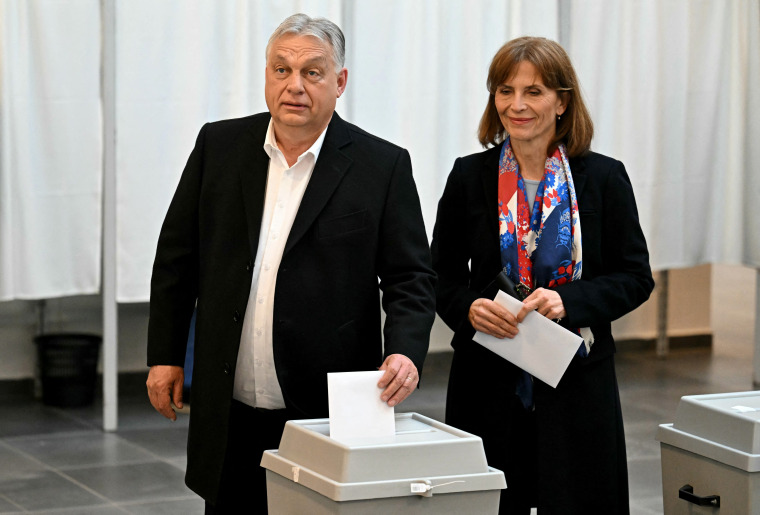
Critics, however, may view the story as a carefully curated glimpse into private life, designed to soften his image at a time of continued political tension. Hungary’s relationship with the European Union remains strained, with ongoing disputes over funding and policy alignment.
The timing of the gathering is also notable. It occurred against the backdrop of continued diplomatic maneuvering in Brussels, where Hungary has maintained firm positions on several key European files.
Still, for those in attendance, the evening transcended politics. The performance was described as heartfelt rather than performative, a genuine expression of affection between two people who have shared more than 35 years of marriage.
Ms. Lévai’s reaction — quiet tears and evident emotion — moved several guests. One observer noted that the moment highlighted the humanity often obscured by the intensity of political life.
In a region where leaders’ personal lives are sometimes shielded or weaponized, this episode offers a rare window. It humanizes a figure frequently depicted in stark, ideological terms by both admirers and detractors.
Friends of the family emphasize that despite the demands of high office, the Orbáns have maintained a strong private bond. Their home has long served as a sanctuary from the pressures of governance.
The song itself was not publicly identified, but sources described it as one carrying personal significance to the couple. Its themes reportedly touched upon loyalty, shared challenges, and lasting love.
As the performance concluded, the room erupted in warm applause. The evening continued with conversation and camaraderie, but many guests later remarked that those few minutes had become the defining memory of the night.

Such moments are uncommon in the public narrative surrounding Mr. Orbán. His political brand has centered on strength, sovereignty, and ideological conviction rather than personal vulnerability.
Yet observers say these private dimensions matter. They offer insight into the personal foundations that often sustain public careers, especially in roles as demanding as prime minister.
In the broader context of European leadership, where personal stories occasionally break through the political noise, this event stands out for its simplicity and sincerity. No grand statements, no policy announcements — just a husband singing to his wife.
The story also reflects cultural nuances in Hungarian public life, where displays of traditional family values can carry significant symbolic weight.
As details of the gathering circulate in political circles, they add a layer of complexity to the portrait of Viktor Orbán. Behind the strategist and orator lies a man capable of quiet, personal gestures of love.
For now, the moment remains largely private, shared among those fortunate enough to witness it. But its retelling underscores a universal truth: even the most powerful figures find meaning in the most intimate connections.
Whether this glimpse into domestic tenderness will influence public perception remains uncertain. In an era of intense political division, such stories remind audiences of the shared human experiences that transcend borders and ideologies.






