A rapidly escalating trade dispute between Canada and the United States is drawing global attention after Ottawa moved forward with a controversial electric vehicle agreement with China, triggering sharp warnings from Washington and raising fears of a wider economic confrontation in North America.
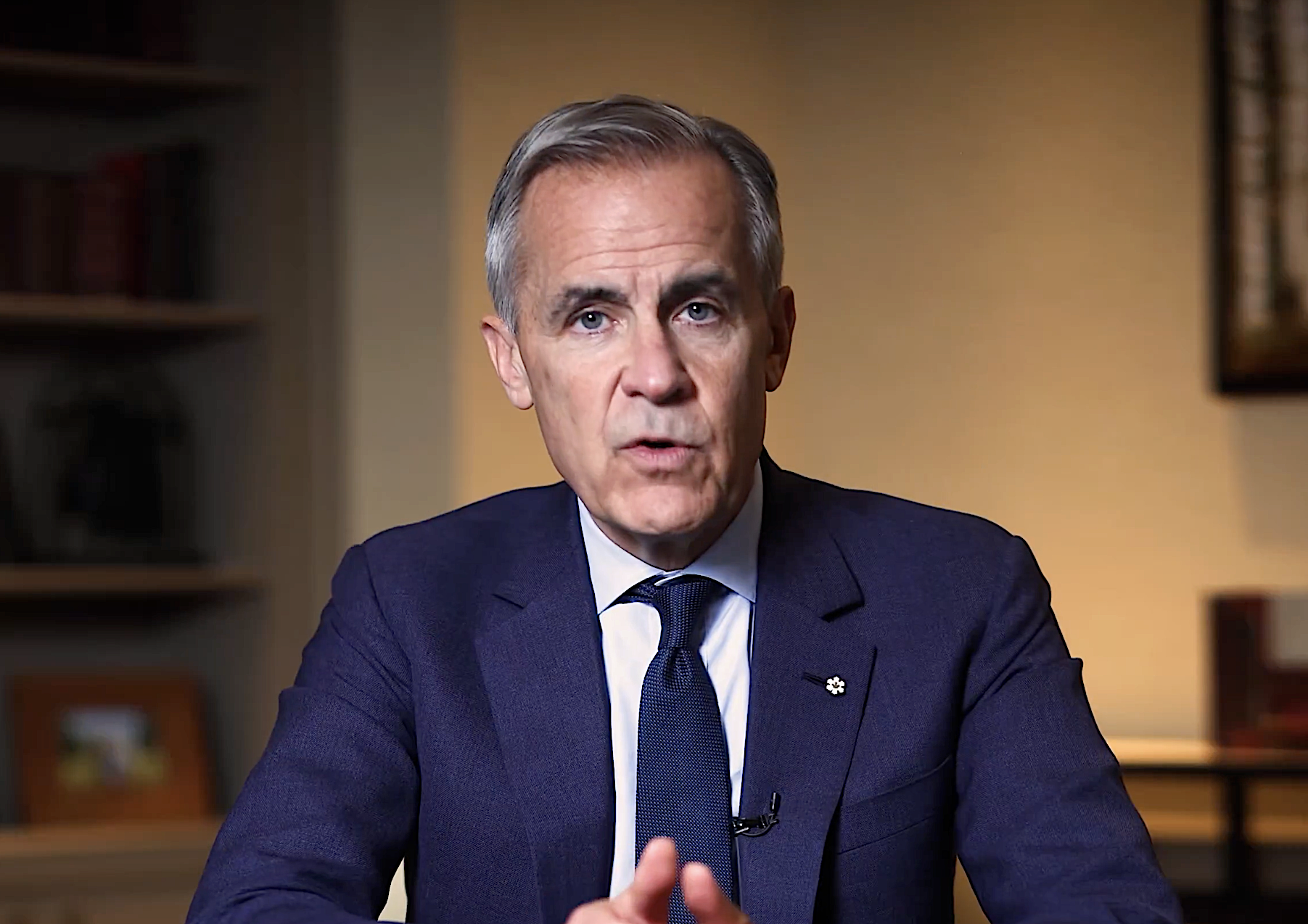
At the center of the storm is Canadian Prime Minister Mark Carney, whose government has approved a new trade arrangement that significantly adjusts tariff policy on Chinese-made electric vehicles.
Under the deal, Canada has reduced tariffs on approximately 49,000 electric vehicles imported from China from 100% to just 6.1%, while simultaneously securing tariff reductions on key Canadian agricultural and seafood exports entering Chinese markets.
The affected Canadian exports include canola, lobster, crab, and peas—industries that play a crucial role in regional economies across Atlantic Canada and the Prairie provinces.
The agreement has already been praised domestically by some sectors for reopening access to Chinese markets that had previously been constrained by trade tensions.
However, the move has also triggered immediate backlash from Washington.
U.S. President Donald Trump responded with a forceful warning, threatening to impose a sweeping 100% tariff on all Canadian imports if the policy remains in place.
Trump accused Canada of effectively turning itself into a “drop-off port” for Chinese electric vehicles, suggesting that Chinese goods could be indirectly entering the U.S. market through Canadian channels.
The comments instantly escalated diplomatic tensions and added urgency to ongoing trade discussions between the two neighbors.
U.S. Treasury Secretary Scott Bessent publicly reinforced the warning, stating that the United States would not tolerate any arrangement that allows Canada to serve as a “backdoor” for Chinese exports.
Despite the pressure, Canadian officials have defended the agreement as fully compliant with the Canada-United States-Mexico Agreement (CUSMA), the trade framework governing North American economic relations.
Government sources argue that the deal is designed to support Canadian industries that have been negatively impacted by previous trade disputes and global supply chain disruptions.
They also emphasize that the agreement is intended to diversify Canada’s trade relationships rather than replace its long-standing economic ties with the United States.
The administration of Mark Carney has maintained that the policy is both legal and strategically necessary in a rapidly shifting global trade environment.
At the same time, critics in the United States argue that the move undermines coordinated Western pressure on China’s industrial policies, particularly in the electric vehicle sector.
They warn that Canada’s decision could weaken the effectiveness of tariffs designed to limit Chinese access to North American markets.
Some analysts have suggested that Washington’s aggressive response reflects broader concerns about fragmentation among allies in trade policy toward China.
For years, Canada has largely aligned with U.S. positions on economic restrictions involving China, particularly in sensitive industries such as technology and energy.
However, this new agreement signals a potential shift toward a more independent Canadian trade strategy.
That shift is now being closely watched by economists and policymakers across Europe and Asia.
If Canada successfully maintains this dual-track approach—cooperating with both China and the United States in different sectors—it could encourage other mid-sized economies to adopt similar strategies.
The implications extend beyond bilateral relations and into the structure of global trade governance.
Attention is now turning to the upcoming July 1 review of CUSMA, which could become a critical flashpoint in the dispute.
Negotiators are expected to face intense pressure as all three member states reassess tariff rules and trade enforcement mechanisms.
Some trade experts believe Trump’s 100% tariff threat may ultimately function as a negotiation tactic rather than an immediate policy commitment.
They argue that such tariffs would significantly increase costs for American consumers and businesses, particularly in sectors dependent on Canadian imports.
Energy, automotive supply chains, and agricultural trade could all be affected if tensions escalate further.
Despite this, Canada is reportedly preparing contingency plans in case of a prolonged trade confrontation.
Officials are exploring alternative export markets and reinforcing domestic support measures for industries most exposed to potential retaliation.
Markets have reacted cautiously, with analysts warning that prolonged uncertainty could affect investor confidence in North American trade stability.
Business groups on both sides of the border are urging de-escalation, emphasizing the interconnected nature of supply chains between the United States and Canada.
Automotive manufacturers are particularly concerned, given the highly integrated production networks that span both countries and Mexico under CUSMA.
Any disruption in tariff policy could have cascading effects on production costs, pricing, and supply availability across the region.
Meanwhile, Chinese trade officials have welcomed Canada’s tariff reduction on electric vehicles, framing it as a step toward more open and balanced economic engagement.
This adds another layer of complexity, as Canada now finds itself navigating between two major global economic powers with competing strategic interests.
The situation highlights the increasing difficulty of maintaining neutral trade positions in an era of geopolitical rivalry.
Experts say the dispute could mark a turning point in how middle powers manage economic relationships between the United States and China.
If tensions continue to rise, North America could enter a period of sustained trade uncertainty not seen in decades.
For now, all eyes are on Washington and Ottawa as diplomatic channels remain open but increasingly strained.
The coming weeks, particularly leading into the CUSMA review, are expected to determine whether the situation stabilizes or escalates further.
What began as a tariff adjustment has now evolved into a broader test of economic alignment, sovereignty, and strategic independence.
And at the center of it all stands a single question shaping global attention:
Can Canada maintain its economic autonomy without triggering a full-scale trade confrontation with its most important trading partner?






