Canada’s $1 Trillion Debt Debate Explodes in Parliament as Conservatives Accuse Liberals of “Fiscal Mismanagement”
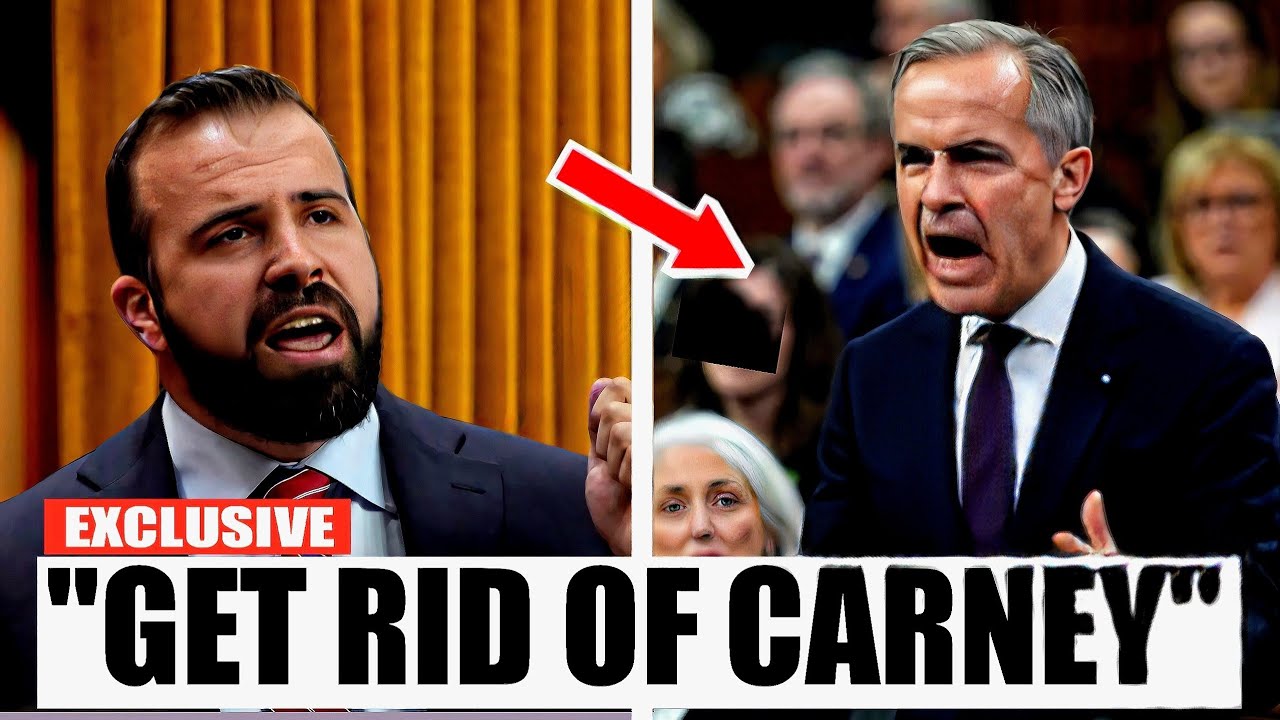
Canada’s growing national debt became the centre of a fierce political confrontation in the House of Commons this week, as Conservative MP Aaron Gunn sharply criticized the Liberal government’s borrowing strategy and warned that rising interest costs could place increasing pressure on Canadian households and public services. The exchange highlighted the widening divide between the Conservatives and Prime Minister Mark Carney’s Liberal government over fiscal policy, inflation, and economic management.
Speaking during parliamentary debate, Gunn described the government’s deficit expansion as a “colossal and grotesque waste of taxpayer money,” arguing that Ottawa’s borrowing practices have significantly increased the country’s financial burden. He claimed the federal deficit had doubled under Liberal leadership and alleged that Canada’s national debt had increased by approximately $1 trillion, creating mounting annual interest obligations for taxpayers.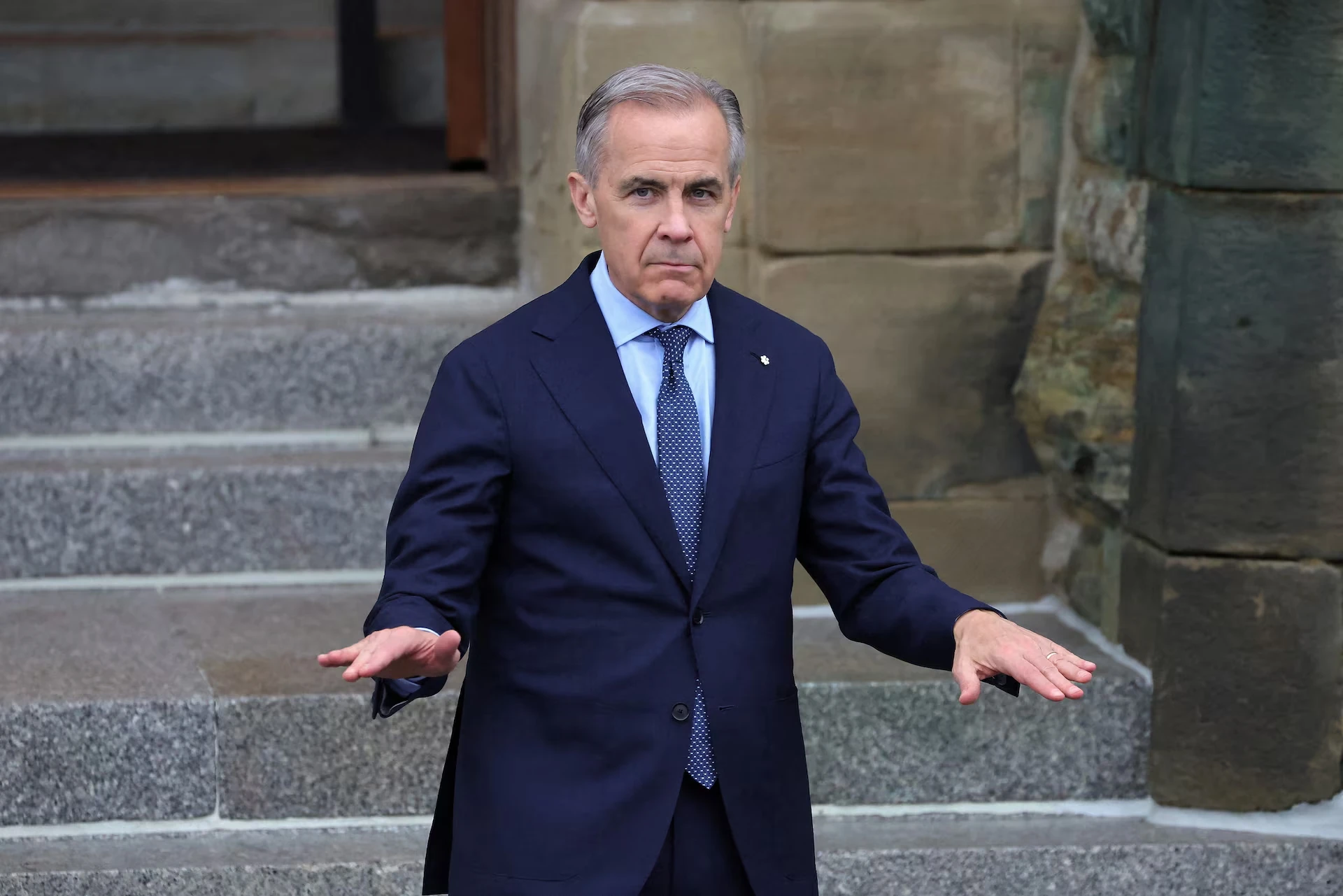
What shocked many observers during the debate was Gunn’s focus on the long-term consequences of debt servicing costs. According to his remarks, the federal government is now spending roughly $80 billion annually on interest payments alone. Gunn argued that these funds could otherwise be directed toward healthcare, education, infrastructure, and other public priorities that directly affect Canadians’ daily lives.
The Conservative MP repeatedly framed the issue as one extending beyond partisan politics. He insisted that concerns over debt sustainability should be viewed as a broader economic reality rather than merely an ideological disagreement between parties. Throughout his speech, Gunn emphasized that increasing interest obligations risk consuming a larger share of federal spending in future years, potentially reducing Ottawa’s ability to finance essential services.
At several points during the exchange, Gunn attempted to personalize the issue for voters by translating the broader debt figures into household-level impacts. He estimated that annual debt interest costs amount to roughly $5,000 per Canadian household, arguing that Canadians are effectively paying for years of government overspending through taxes and inflationary pressures. His remarks drew visible support from Conservative benches inside the chamber.
In one of the most widely discussed moments of the debate, Gunn urged the government to “put down the shovel” and halt further borrowing. The phrase quickly became a central rhetorical line of the Conservative attack, symbolizing what opposition MPs describe as an unsustainable fiscal trajectory. Conservatives portrayed the government as continuing to expand spending commitments without presenting a credible long-term repayment plan.
The Liberals, however, strongly rejected accusations that their policies have harmed Canadians economically. Responding on behalf of the government, Finance Minister representatives argued that the Liberal administration has focused on reducing financial pressure on households through targeted tax measures and expanded federal benefits. Government MPs maintained that Ottawa has cut, capped, or suspended various taxes while increasing support programs for workers and families.
Liberal representatives also defended new affordability initiatives designed to offset the rising cost of living. During the parliamentary exchange, government officials pointed to measures such as grocery support programs and automated tax filing systems aimed at helping Canadians access benefits more efficiently. According to the government’s position, these policies demonstrate a commitment to protecting vulnerable households during a period of global economic uncertainty.
The debate intensified further when Conservative MPs shifted attention toward Canada’s labour market. Opposition members argued that recent employment data reflects growing economic weakness, citing job losses and rising unemployment rates. Conservatives warned that younger Canadians, already struggling with housing affordability and high living costs, are facing increasing difficulty securing stable employment opportunities.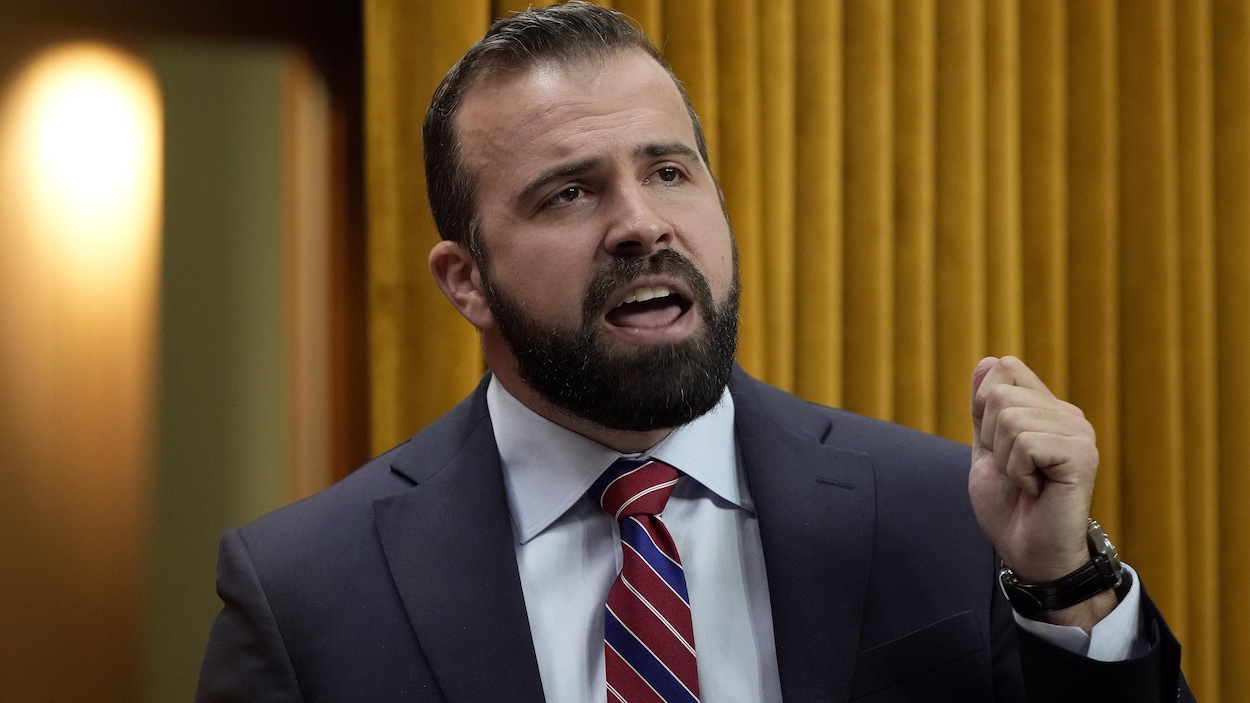
As tensions escalated inside the House, MPs referenced statistics suggesting Canada had lost thousands of jobs in recent months, including significant declines in full-time employment. Conservatives also highlighted youth unemployment figures, arguing that many younger Canadians are simultaneously confronting rising rents, expensive groceries, and declining economic prospects. The opposition portrayed these trends as evidence that current Liberal fiscal policies are failing to deliver sustainable growth.
Government MPs responded aggressively to the criticism, insisting that Liberal economic policies are creating long-term opportunities through infrastructure development, export expansion, and investment attraction. Parliamentary Secretary Kevin Lamoureux argued that government-backed projects and international investment initiatives would strengthen Canada’s economy and create future jobs across multiple industries.
During the heated exchange, Lamoureux criticized Conservative economic proposals and accused the opposition of opposing practical measures designed to support growth. His remarks briefly drew intervention from the Speaker after language used during the debate was considered close to breaching parliamentary standards. The moment added further intensity to an already combative session inside the Commons chamber.
Beyond the immediate political confrontation, the debate reflects broader concerns surrounding Canada’s economic direction at a time of persistent affordability pressures. Rising interest rates over recent years have significantly increased the cost of government borrowing worldwide, placing additional scrutiny on federal deficits and debt levels across advanced economies, including Canada.
Critics of the government argue that continued borrowing could leave future generations carrying a heavier financial burden while limiting Ottawa’s fiscal flexibility during future economic downturns. Conservatives have repeatedly warned that growing debt obligations could eventually crowd out public investment and force governments to make difficult spending decisions in the years ahead.
Liberals, however, continue to defend their fiscal approach as necessary to support Canadians through periods of economic disruption, including inflationary pressures and global instability. Government officials argue that strategic investments, social support programs, and industrial development initiatives are essential for maintaining economic resilience and protecting middle-class households.
The dispute also illustrates the increasingly emotional tone surrounding economic issues in Canadian politics. Conservatives have sought to channel frustration over inflation, housing costs, and affordability into broader criticism of Liberal governance, while Liberals accuse the opposition of oversimplifying complex global economic challenges for political gain.
For many Canadians, the debate over deficits and debt is no longer confined to economic theory. Concerns about affordability, interest rates, and stagnant wage growth have become central political issues affecting households across the country. Both major parties appear determined to frame themselves as defenders of ordinary Canadians facing mounting financial strain.
Political analysts note that fiscal management could become one of the defining issues of Canada’s next federal election cycle. Conservatives are increasingly positioning themselves as advocates of spending restraint and “fiscal sanity,” while Liberals continue emphasizing social supports, economic investment, and long-term growth strategies as necessary tools for navigating uncertain global conditions.
The parliamentary confrontation also demonstrated how economic messaging is evolving inside Canada’s political landscape. Opposition MPs are increasingly using household-level comparisons and personal financial analogies to explain federal debt issues, attempting to connect abstract fiscal numbers with everyday economic concerns experienced by voters.
At the same time, Liberal ministers are attempting to reassure Canadians that federal spending remains targeted toward maintaining economic stability and preventing deeper financial hardship. The government maintains that withdrawing support too quickly could weaken growth and worsen inequality during an already challenging economic period.
For now, the controversy surrounding Canada’s debt trajectory remains unresolved. Conservatives continue demanding stricter fiscal discipline and reduced borrowing, while Liberals insist that continued investment is essential to protect Canadians and strengthen the economy. With affordability pressures still dominating public discussion, the debate over deficits, debt, and government spending is likely to remain at the forefront of Canadian politics for months to come.






