Canada’s Arctic Gambit: How Mark Carney Turned Trump’s Greenland Pressure Into a Strategic Opening

The decision by Mark Carney to establish Canada’s first-ever consulate in Nuuk in early 2025 initially appeared to many observers as a modest diplomatic gesture. Yet beneath the measured language of official statements, the move represented something far more consequential: a calculated repositioning of Canada within the rapidly evolving geopolitical struggle over the Arctic. The timing alone drew immediate attention among foreign policy analysts, particularly because it followed weeks after Donald Trump publicly declared that the United States needed greater control over Greenland for reasons of national security.
For decades, Canada’s Arctic strategy largely revolved around maintaining sovereignty claims, supporting northern communities, and cooperating through multinational institutions. However, the global landscape surrounding the Arctic has changed dramatically in recent years. Climate shifts have accelerated access to untapped resources, while the region’s strategic military importance has expanded due to emerging shipping corridors and rising competition between NATO countries, Russia, and China. Against that backdrop, Carney’s government appears to be pursuing a far more assertive role than previous administrations.
Standing firmly beside Greenland and Denmark, Ottawa framed the new diplomatic mission as a commitment to sovereignty and territorial integrity. The language sounded restrained, but its implications were substantial. By establishing a permanent diplomatic presence in Greenland’s capital, Canada effectively signaled that it intended to become an active participant in future Arctic negotiations rather than merely an observer reacting to decisions made by larger powers.
Greenland itself has become increasingly central to international strategic calculations. The island occupies a critical geographic position between the Arctic and North Atlantic oceans and contains significant reserves of rare earth minerals essential for advanced technologies and defense manufacturing. In addition, the long-standing American military installation at Pituffik Space Base continues to serve as a key component of North American aerospace defense infrastructure. Control over Arctic access routes and resource corridors has therefore become intertwined with broader questions of military readiness and economic security.
Trump’s remarks regarding Greenland reverberated across Europe and North America. Denmark strongly rejected the notion of any American takeover, while Greenlandic officials reaffirmed their autonomy and political identity. Yet the episode also revealed a deeper concern among America’s allies: the possibility that Washington’s strategic ambitions in the Arctic might increasingly override traditional diplomatic sensitivities. Carney’s government appeared to interpret the moment not only as a risk, but also as an opportunity.
Midway through the year, Ottawa announced plans to open a second consulate in Anchorage. Together, the Nuuk and Anchorage missions effectively form two strategic points across the Arctic corridor. Analysts noted that the arrangement placed Canada in a stronger position to monitor evolving military, economic, and diplomatic developments across the northern frontier. The symbolism was difficult to ignore: Canada was establishing a visible institutional presence at both ends of the Arctic theater.
<div align=”center”>


</div>
Beyond diplomatic symbolism, the strategy also carries significant legal implications. Under the United Nations Convention on the Law of the Sea, Canada, Denmark, and the United States maintain overlapping claims to portions of the Arctic continental shelf. These unresolved claims potentially involve vast quantities of oil, natural gas, and mineral resources beneath the Arctic seabed. In that context, diplomatic relationships with Greenland and Denmark become more than symbolic partnerships; they represent leverage in future territorial negotiations.
The suspension of Russia’s participation in the Arctic Council following the invasion of Ukraine further altered the regional balance. Without Moscow fully participating in Arctic governance discussions, NATO members have increasingly sought alternative frameworks for security coordination in the north. Canada’s leadership role in pushing Arctic issues deeper into NATO’s agenda reflects this transition from environmental cooperation toward collective defense planning.
At a NATO foreign ministers’ meeting in Stockholm in May 2025, Canadian officials emphasized the growing importance of Arctic defense coordination. Ottawa also highlighted its support for the newly proposed Defense Security and Resilience Bank, a multinational financing mechanism designed to support defense manufacturing across allied countries. While the initiative received limited mainstream attention, policy experts view it as a potentially transformative development for NATO’s industrial capacity.
What makes this shift particularly significant is the scale of Canada’s defense ambitions. Ottawa announced a long-term commitment to increase defense spending toward 5% of gross domestic product by 2035. Such a target would represent a dramatic increase from current levels and place Canada among the alliance’s most heavily invested defense contributors. The announcement signaled a structural shift in how the country views its international role, particularly within the Arctic and NATO frameworks.
The proposed expansion is expected to reshape major sectors of the Canadian economy. Ontario’s manufacturing base, Quebec’s aerospace industry, and British Columbia’s technology sector could all benefit from increased defense procurement and NATO-linked industrial investment. Supporters argue that the strategy may help revitalize advanced manufacturing industries that have faced growing international competition over the past two decades.
At the same time, the financial implications remain uncertain. Independent analysts have pointed out that Ottawa has not yet published a detailed roadmap explaining how such large-scale defense spending would be funded. Questions therefore remain about whether the government would reduce social spending, increase taxation, or rely more heavily on borrowing to finance its long-term military expansion plans. Each option carries significant political and economic consequences for Canadians.
The strategy also intersects with Canada’s evolving trade relationships. Ongoing tariff tensions with the United States have intensified discussions within Ottawa about reducing economic dependence on a single export market. Greater integration with European defense and industrial networks through NATO may provide Canada with alternative channels for investment, manufacturing partnerships, and resource exports beyond Washington’s direct influence.
For Carney, the Arctic appears to represent more than a security issue. It is increasingly becoming a platform for redefining Canada’s global identity. Rather than operating solely as a junior partner to the United States, Ottawa is positioning itself as an independent middle power capable of shaping multilateral institutions and strategic frameworks in its own right.
Critics, however, remain cautious. Some analysts argue that Canada’s moves are still fundamentally reactive rather than transformational. They contend that Ottawa’s Arctic repositioning is ultimately driven by uncertainty surrounding American policy rather than by a fully coherent long-term doctrine. From this perspective, Canada’s actions may soften or reverse if relations with Washington stabilize under future administrations.
Others believe the changes underway are more durable. The Arctic’s rising importance, combined with global competition for resources and trade routes, suggests that Canada’s northern strategy will likely remain central regardless of political leadership changes. The establishment of diplomatic infrastructure in Greenland and Alaska may therefore represent the beginning of a broader institutional shift rather than a temporary response to political tensions.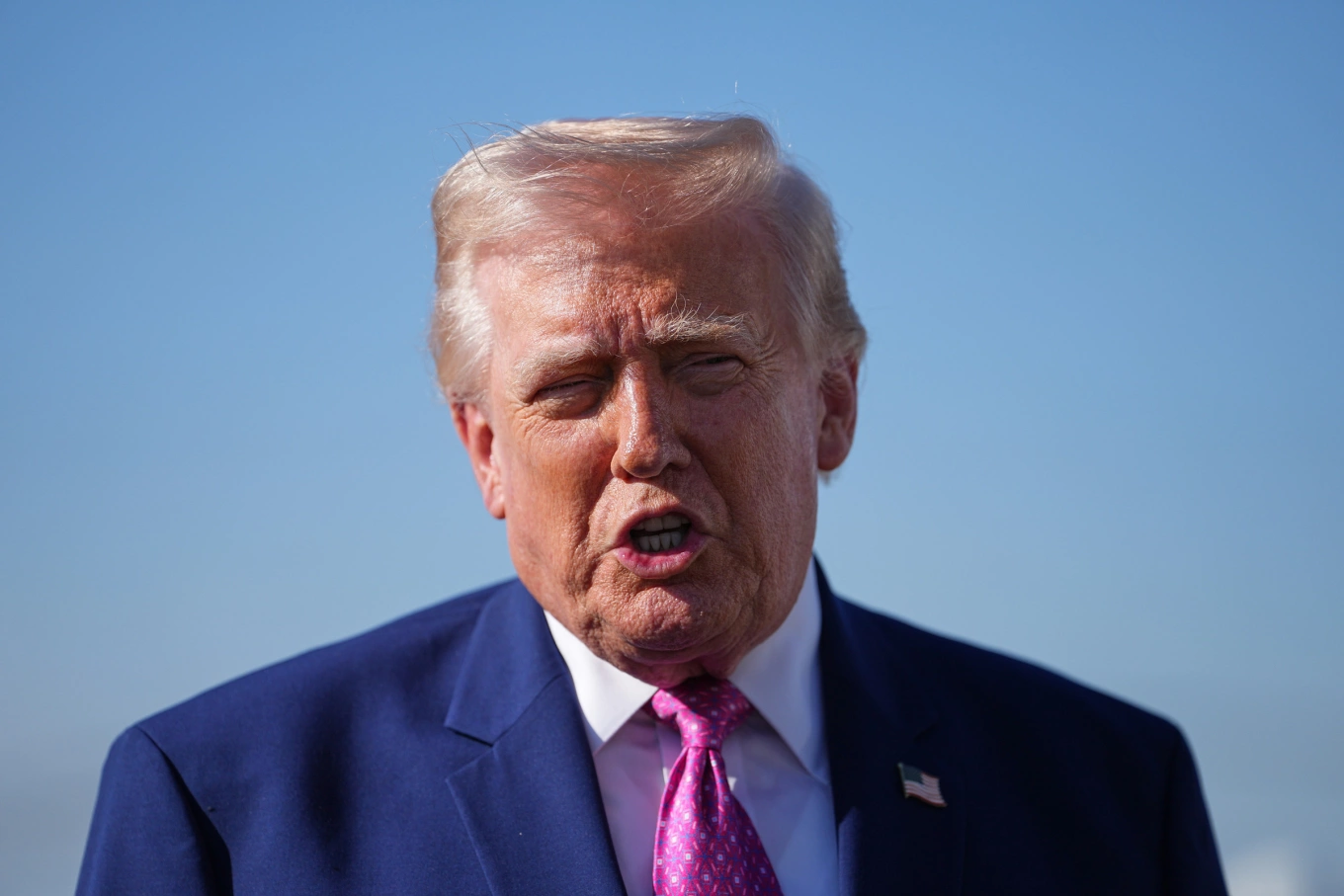
The stakes extend beyond diplomacy and military strategy. Geological surveys estimate that the Arctic contains a substantial share of the world’s undiscovered oil and natural gas reserves. Future recognition of continental shelf claims could grant Canada access to enormous energy and resource opportunities. Decisions being made today regarding Arctic governance may ultimately influence energy markets and industrial supply chains for decades.
International observers are now closely watching whether Canada can maintain a delicate balance between cooperation with the United States and the pursuit of greater strategic autonomy. Maintaining strong NATO ties while simultaneously diversifying economic and diplomatic relationships will require careful political management from Ottawa in the years ahead.
Three broad scenarios continue to dominate policy discussions. The first envisions a managed equilibrium in which NATO allies quietly coordinate Arctic security while avoiding direct confrontation. The second foresees a deeper Canadian alignment with European partners as economic and political tensions with Washington persist. The third, considered less likely but increasingly discussed, involves a significant deterioration in Canada–United States relations that forces Ottawa into difficult strategic choices.
In many respects, the opening of Canada’s consulate in Nuuk may ultimately be remembered as a defining symbolic moment in the country’s modern foreign policy evolution. What initially appeared to be a modest diplomatic gesture increasingly resembles a carefully calculated signal about Canada’s future role in the Arctic and within the broader Western alliance system.
Whether Carney is building a genuinely independent foreign policy or merely responding to pressure from Washington remains a matter of debate. What is increasingly clear, however, is that the Arctic is no longer a distant geopolitical afterthought. It has become one of the central strategic frontiers of the twenty-first century, and Canada has decided it intends to stand near the center of that conversation rather than at its margins.






