Panic, Contradictions, and Crisis Management: Inside a White House Under Siege
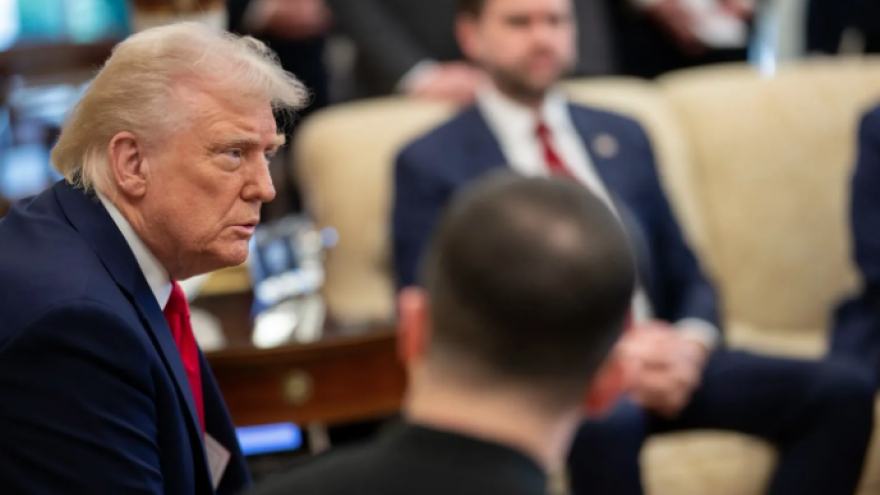
WASHINGTON — Senior officials gathered urgently inside the Oval Office this week as President Donald Trump convened what aides privately described as a “containment meeting,” an extraordinary session prompted by mounting public backlash, internal disorder, and intensifying scrutiny of immigration enforcement under his administration.
The meeting, first reported across progressive digital outlets and quickly amplified on social media, underscored a growing sense of instability inside the White House — one driven not only by Democratic opposition, but by fractures within Trump’s own political base. According to multiple accounts circulating on X, Substack newsletters, and YouTube political networks, the president and his top advisers are increasingly alarmed by the erosion of support among MAGA voters, particularly following a series of deaths connected to Immigration and Customs Enforcement (ICE) detention facilities.
While the White House declined to characterize the meeting as a crisis response, the sequence of events that followed — conflicting public statements, apparent leadership reshuffles, and defensive media appearances — suggested an administration struggling to regain control of the narrative.
Immigration Deaths and Public Outrage
At the center of the unrest are reports of more than 30 deaths in ICE detention centers last year, with at least seven more reported so far this year. Among the most widely cited cases are the deaths of Alex Jeffrey Prey and Renee Nicole Good, both of which have become flashpoints for outrage online and in Congress.
Calls for independent investigations, criminal accountability, and structural reform of federal immigration enforcement have spread far beyond progressive circles. Hashtags demanding prosecutions and the abolition of ICE have trended repeatedly on X, while viral videos from digital outlets such as the Midas Touch Network have drawn millions of views.
Notably, criticism is no longer limited to Democrats. Representative Blake Moore of Utah, the vice chair of the House Republican Conference, told reporters that the circumstances surrounding the Prey case “clearly require an in-depth investigation,” adding that early official characterizations were not supported by available evidence. Senator John Curtis, also a Republican from Utah, publicly called for a “transparent, independent investigation,” criticizing the Department of Homeland Security for issuing what he described as premature conclusions.
Leadership Turmoil at Border Agencies
Fueling speculation of internal disarray was news that Greg Bevino, widely described as the chief of Border Patrol, may have been demoted or dismissed. The administration has not confirmed his status, and conflicting reports from conservative and progressive outlets have only deepened the confusion.
Former and current officials, speaking anonymously, described an environment marked by poor coordination and unclear chains of command — a characterization echoed by commentators across the ideological spectrum. Even right-leaning media figures have acknowledged inconsistencies in official messaging, though often framing the controversy as a media overreaction rather than a governance failure.
Conservative Media Fractures
The administration’s media defenders appear increasingly divided. On Newsmax, hosts questioned video footage from recent enforcement encounters, at one point suggesting that what appeared to be a firearm was “probably just a phone,” a claim that drew ridicule and skepticism online.
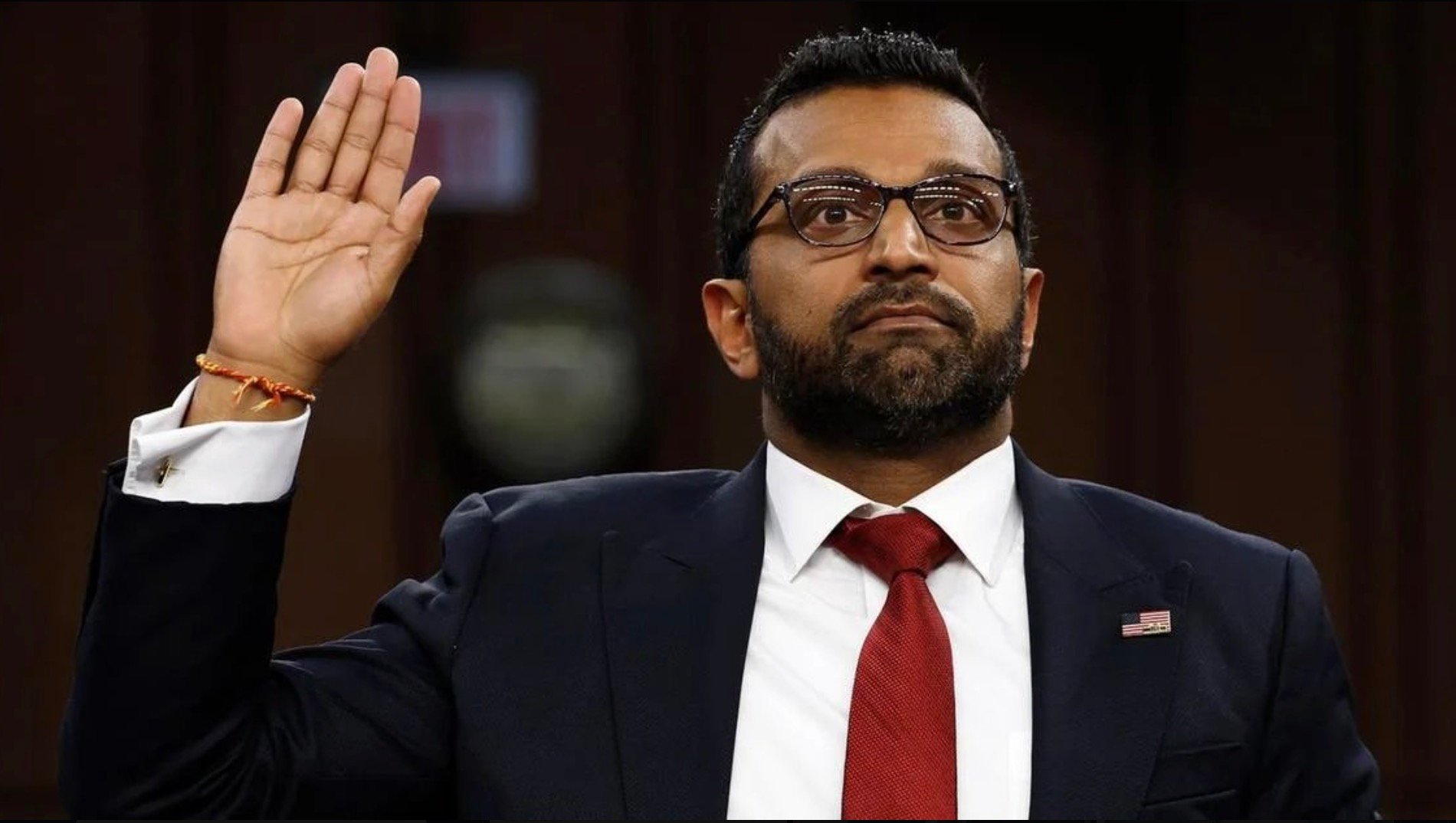
Meanwhile, Fox News aired comments from Kash Patel, a senior Trump ally, urging gun owners to avoid carrying weapons into volatile protest situations. Though framed as prudence, the remarks triggered backlash from Second Amendment absolutists — a core Trump constituency — who accused the administration of hypocrisy.
Similar tensions surfaced during a segment featuring conservative commentator David “Jones,” who described the Second Amendment as a right “with restrictions,” a formulation that sparked criticism from gun-rights activists who view any such caveats as ideological betrayal.
Minnesota, Reversals, and Political Whiplash
The administration’s handling of unrest in Minnesota further illustrated its rhetorical volatility. Just days after attacking Governor Tim Walz and Minneapolis Mayor Jacob Frey — at times calling for their prosecution — President Trump announced that he had held “very productive” conversations with both leaders.
The sudden shift drew sharp commentary online, where critics accused the president of opportunistic crisis management rather than coherent leadership. Supporters, meanwhile, framed the outreach as evidence of pragmatic deal-making.
Holocaust Museum Controversy
Perhaps the most jarring development came after the U.S. Holocaust Memorial Museum issued a rare public statement condemning political comparisons between immigration enforcement and Nazi Germany. The statement followed renewed attention to Trump’s decision earlier this year to remove the museum’s board members and replace them with political appointees.
The museum’s message — emphasizing that Anne Frank was murdered solely for being Jewish and warning against “false equivalencies” — sparked a fierce backlash from activists and historians online, many of whom accused the administration of politicizing Holocaust memory to deflect criticism of modern-day abuses.
Fundraising Emails and Economic Anxiety
Even as the administration faced intensifying scrutiny, President Trump continued aggressive fundraising efforts. One email sent to supporters declared, “You’ve been audited by Trump,” a subject line that critics called misleading and predatory. The message urged recipients to complete a so-called “Trump audit” before midnight, directing them to donation pages.
Advocacy groups and watchdogs have raised concerns that such tactics disproportionately target elderly supporters, exploiting confusion and fear to solicit money.
These appeals stand in contrast to broader economic signals. According to recent labor data, long-term unemployment in the United States has reached a four-year high, with job seekers spending months searching for work amid a cooling labor market — a reality that clashes with the president’s repeated claims that the economy is “the best it’s ever been.”
International Isolation
Internationally, signs of strain are also evident. The European Union and India recently announced what EU Commission President Ursula von der Leyen called “the mother of all trade deals,” a landmark agreement negotiated without U.S. involvement.
Canada, meanwhile, has opened a new consulate in Greenland, dispatching naval vessels in a move widely interpreted as a signal of support for Denmark amid escalating tensions with Washington. Greenlandic officials have warned residents to remain vigilant against foreign influence campaigns, including from the United States.
A Presidency Under Pressure
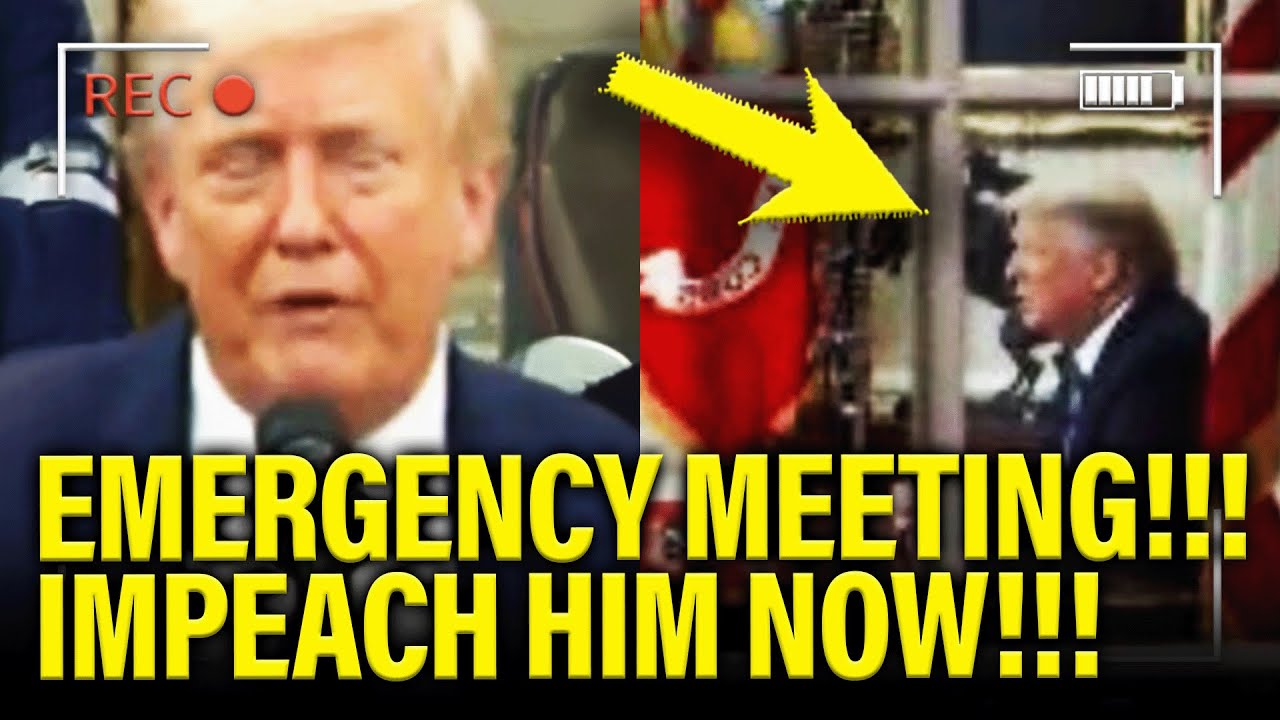
Taken together, the week’s developments paint a picture of an administration grappling with overlapping crises: domestic unrest, internal discord, economic anxiety, and growing international unease. What distinguishes this moment, analysts say, is not merely opposition from Democrats, but visible cracks within the coalition that brought Donald Trump back to power.
Whether the Oval Office meeting marks a turning point or merely another chapter in an increasingly volatile presidency remains unclear. But one reality is undeniable: the political ground beneath the White House is shifting — and faster than many inside it expected.






