Headline: Government Sets Out Plan to Replace NCEA Amid Wider Education Reform Debate
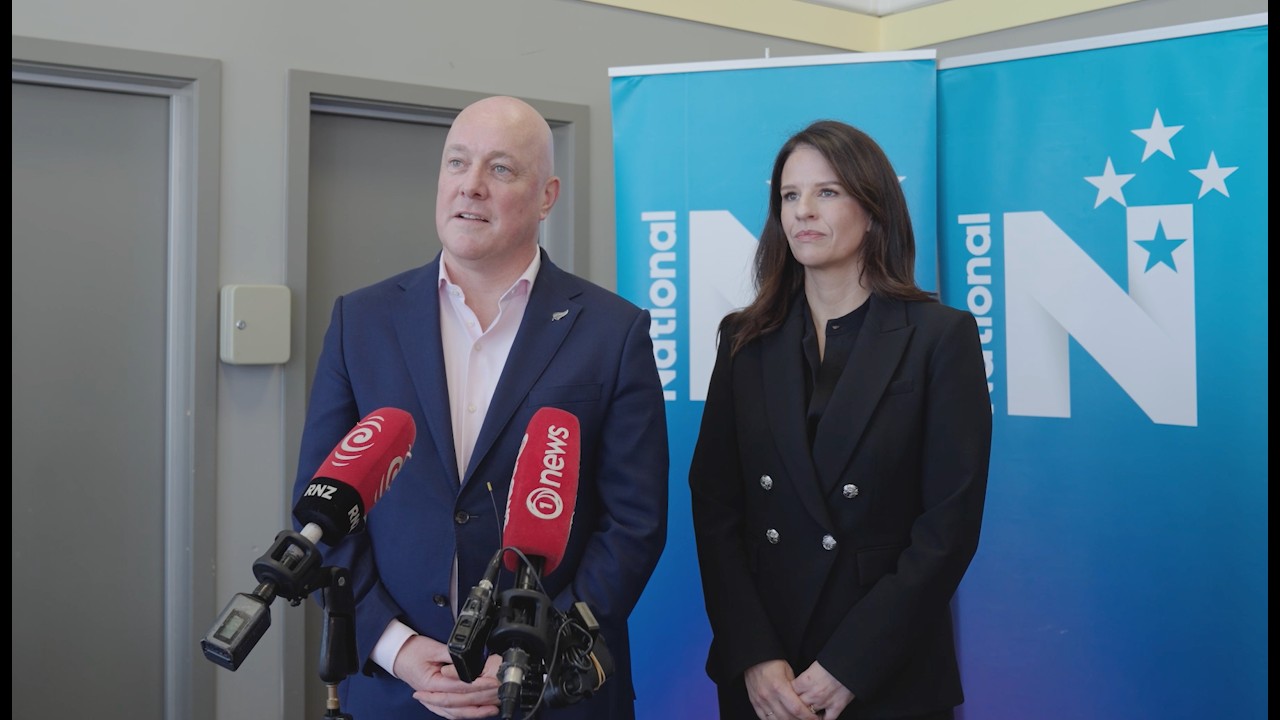
Christopher Luxon and Erica Stanford have confirmed further details of the Government’s plan to replace the National Certificate of Educational Achievement (NCEA), marking a significant step in one of the most closely watched education policy shifts in recent years.
The announcement adds further definition to a reform process that has been signalled since the Government took office, with ministers arguing that the current qualifications framework requires substantial restructuring to better reflect learning outcomes and workforce readiness.
The changes are expected to reshape senior secondary assessment in New Zealand, although officials have stressed that implementation will be staged and subject to further consultation with educators, schools and sector stakeholders.
The Government has positioned the overhaul as part of a broader attempt to lift academic standards and simplify qualification pathways for students, while critics have cautioned that major transitions of this scale carry risks for classroom stability and teacher workload.
Education Minister Erica Stanford has been central in outlining the policy direction, framing the replacement of NCEA as a necessary modernisation of a system that has faced sustained scrutiny from parts of the education sector.
Christopher Luxon and Christopher Luxon have both publicly backed the reforms, presenting them as part of a wider agenda focused on lifting achievement outcomes and restoring confidence in national qualifications.
The Government has indicated that the new qualification structure will aim to provide clearer progression routes for students, though detailed design elements remain subject to ongoing policy work and sector engagement.
Teachers’ unions and education sector representatives have already signalled that while reform is not opposed in principle, concerns remain about resourcing, transition timelines and the potential impact on assessment consistency across schools.
Sector responses have highlighted uncertainty around how the new system will align with university entrance requirements and vocational training pathways, with stakeholders seeking greater clarity on equivalency and credit recognition.
Officials have emphasised that the reform is intended to reduce complexity in senior assessment, arguing that the current NCEA framework has accumulated layers of change over time that have made it difficult to navigate for both students and employers.
However, opposition voices have questioned whether replacing the qualification entirely is necessary, or whether targeted adjustments to NCEA could achieve similar outcomes with less disruption to schools.
Consultation processes are expected to play a central role in shaping the final structure of the replacement qualification, with the Ministry of Education engaging with principals, teachers and subject specialists over the coming months.
The Government has also pointed to international comparisons, suggesting that New Zealand’s senior secondary qualification system should better align with models used in comparable jurisdictions, although education experts have warned against overly direct comparisons.
In practical terms, the transition will require significant curriculum alignment work, assessment redesign and teacher professional development, raising questions about implementation capacity within the education system.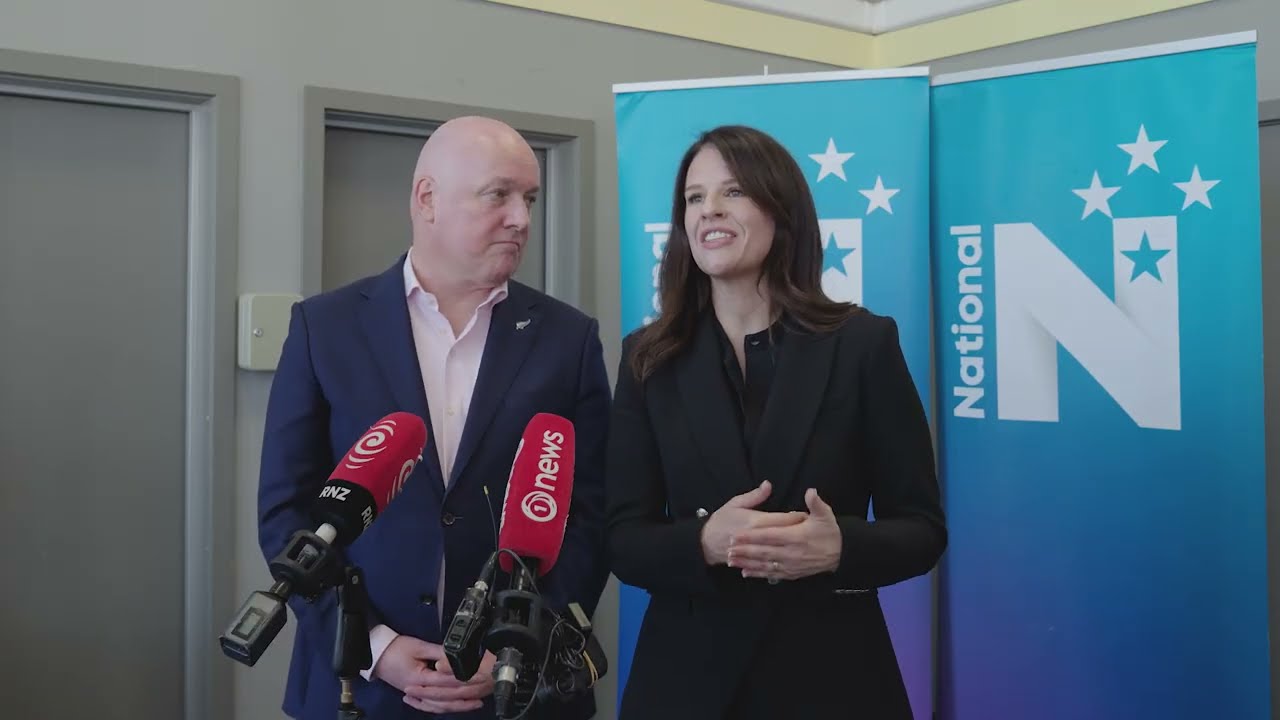
Critics argue that the scale of change risks diverting attention from other systemic challenges, including teacher shortages, classroom support needs and disparities in educational outcomes between regions.
Supporters of the reform, however, argue that maintaining the status quo is no longer sufficient, and that a redesigned qualification framework offers an opportunity to reset expectations around achievement and assessment clarity.
The Government has maintained that students currently working through NCEA will not be adversely affected during the transition period, with assurances that existing pathways will remain valid as new structures are phased in.
Questions remain over the precise timeline for full implementation, with officials acknowledging that delivery will depend on legislative processes, curriculum development and readiness across the school network.
As the policy develops further, attention is likely to remain focused on how schools will manage the shift in practice, particularly in relation to assessment design, moderation systems and equity of access across diverse student populations.
For now, the confirmation of further details marks a significant milestone in the Government’s education reform programme, though the debate over the future shape of secondary qualifications in New Zealand appears set to continue.






