Carney Publicly Rebuts White House Account of Call With Trump, Undercutting a Familiar Strategy
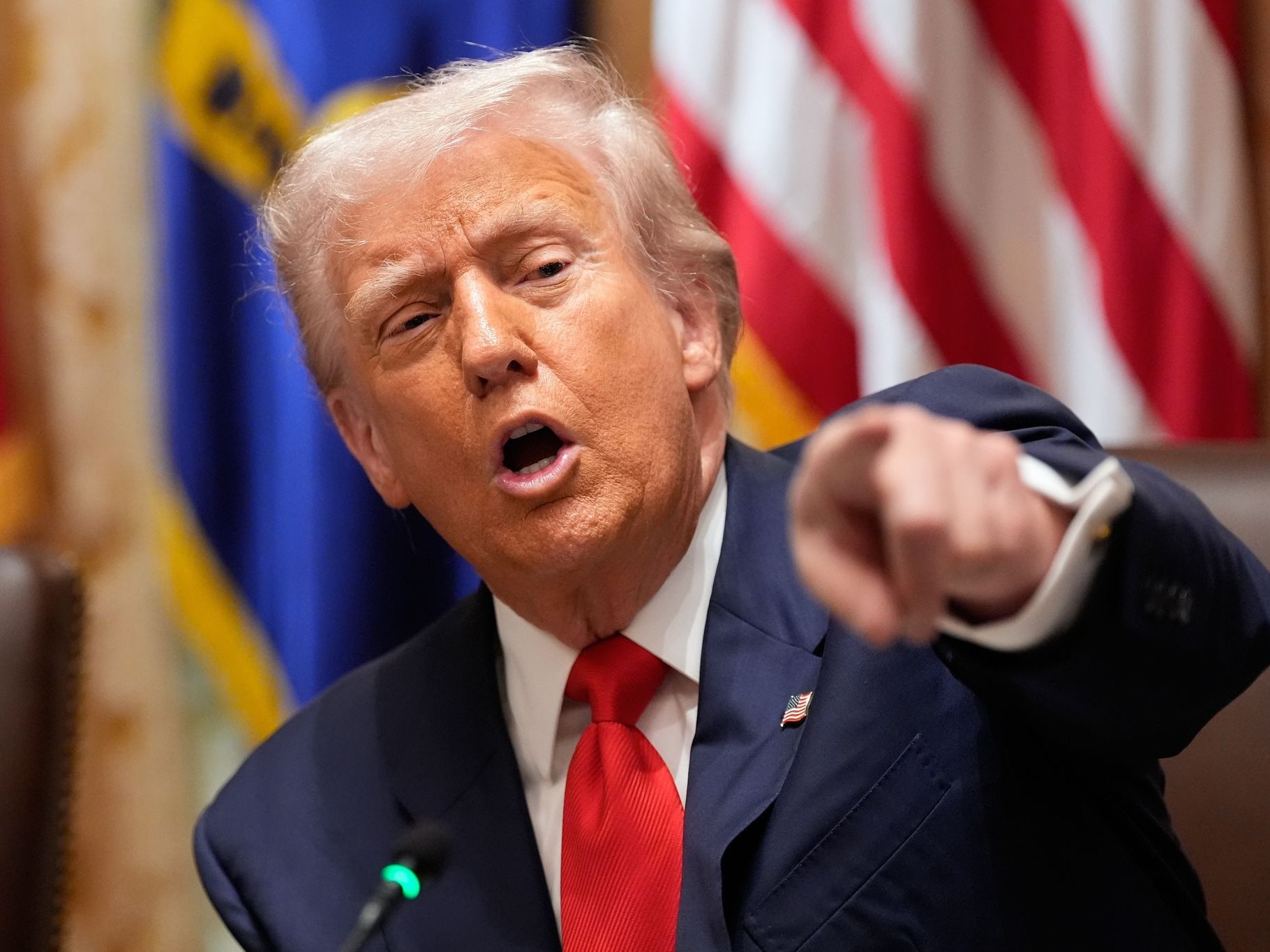
WASHINGTON — For President Donald Trump, power has often been exercised not only through policy but through narrative. A private conversation is followed by a public account. Pressure is applied quietly; victory is declared loudly. Allies and rivals alike are left to decide whether to accept the version of events emerging from the White House or risk confrontation by challenging it.
This week, Canada’s prime minister chose the latter.
After a phone call between Mr. Trump and Mark Carney, U.S. officials briefed reporters that Mr. Carney had softened or walked back remarks he delivered at the World Economic Forum in Davos, where he spoke openly about Canada’s need to diversify trade relationships and reduce exposure to U.S. pressure.
The implication was unmistakable: the president had reasserted leverage, and Canada had retreated.
Within hours, Mr. Carney rejected that account publicly.

A Disputed Readout
The White House version of events first surfaced through U.S. officials speaking to media outlets, including commentary amplified by conservative television and social media. In an interview on Fox News, the Treasury Secretary said Mr. Carney had walked back parts of his Davos speech during the call, suggesting that Washington’s pressure had produced results.
But in remarks delivered shortly afterward, Mr. Carney said that characterization was false.
“To be absolutely clear,” Mr. Carney told reporters, “I meant what I said in Davos. I said that to the president.”
He confirmed that the call took place and described it as “a good conversation.” But he emphasized that his position had not changed — on trade diversification, on Canada’s response to U.S. tariffs, or on the broader direction of Canadian economic policy.
There was no retraction. No softening. No concession.
Why the Response Mattered
Diplomatic disputes over readouts are not uncommon. Governments often emphasize different aspects of private conversations, tailoring accounts for domestic audiences. What made this episode unusual was the speed and clarity of the rebuttal — and its tone.
Mr. Carney did not accuse Mr. Trump of lying. He did not escalate the dispute. He did not trade insults or question motives. Instead, he calmly corrected the record, on the record, and moved on.
That restraint, analysts say, was precisely what made the response effective.
“Trump’s leverage often depends on controlling the post-call narrative,” said a former U.S. diplomat familiar with Canada-U.S. relations. “If the other side stays quiet, the White House version hardens into fact. Carney refused to allow that.”
Davos and the Broader Context
At Davos, Mr. Carney had argued that Canada was the first major economy to fully grasp the structural shift in U.S. trade policy under Mr. Trump. Rather than resist that shift rhetorically, he said, Canada would respond by building partnerships abroad and strengthening domestic capacity.
Those remarks were widely interpreted as a signal that Ottawa was preparing for a long-term recalibration of its economic relationship with Washington — not a temporary dispute, but a strategic adjustment.
They also came amid heightened tensions over tariffs and trade agreements, including Canada’s expanding economic engagement with China and negotiations around the future of CUSMA.
Against that backdrop, the White House briefing appeared designed to reframe Davos as overreach and the phone call as correction.
Mr. Carney’s response prevented that reframing from taking hold.

A Familiar Pattern, Interrupted
For much of his political career, Mr. Trump has relied on a recognizable sequence: apply pressure privately, leak success publicly, and force the other party to choose between acquiescence and escalation.
Many leaders, particularly allies dependent on U.S. markets or security guarantees, opt for silence. The risk of a public dispute with Washington often outweighs the benefits of correcting the record.
Canada did not.
By responding quickly, Mr. Carney denied the White House what one analyst called “narrative default.” Without silence to fill, the administration’s account became contested rather than authoritative.
“The key line was ‘I meant what I said,’” said a political communications expert. “That’s not defiance. It’s finality.”
Explaining, Not Appeasing
In his remarks, Mr. Carney went further than a simple denial. He described the substance of the call itself, saying he explained to Mr. Trump why Canada was diversifying trade, how many new agreements it had pursued, and why those moves were structural rather than reactive.
“He understood that,” Mr. Carney said of the president.
That detail carried weight. By presenting the call as informational rather than corrective, Mr. Carney reversed the implied power dynamic. The conversation was not about Canada backing down; it was about Canada laying out reality.
In diplomatic terms, the difference is significant. Influence flows toward the actor who defines the framework, not the one who merely pressures within it.
The Risks of Public Correction
Publicly contradicting the White House is not without risk. Mr. Trump has frequently responded to perceived slights with escalation — higher tariffs, harsher rhetoric, or personal attacks.
But analysts argue that the alternative — allowing false accounts to stand — carries its own costs.
“Accepting a mischaracterization today makes it harder to resist pressure tomorrow,” said a former Canadian trade official. “At some point, you have to establish that you speak for yourself.”
By choosing calm transparency over confrontation, Mr. Carney avoided provoking immediate retaliation while still drawing a clear boundary.
A Signal Beyond Canada
The episode has drawn attention well beyond Ottawa and Washington. On political social media, clips of Mr. Carney’s remarks circulated widely, often framed as an example of how to respond to pressure without inflaming it.
For other U.S. allies navigating trade disputes or diplomatic friction, the moment offered a case study.
“This wasn’t about theatrics,” said a European policy analyst. “It was about refusing to let someone else write your history.”
What Comes Next
Whether the dispute escalates remains to be seen. Mr. Trump has not publicly contradicted Mr. Carney’s account, though aides continue to emphasize that the call was “productive.”
But the immediate objective — portraying Canada as having backed down — did not hold.
In power politics, perception matters. So does timing. By speaking quickly and calmly, Mr. Carney shifted the takeaway from the call before it could harden into conventional wisdom.
A Subtle but Significant Moment
On its surface, the episode may appear minor: a disagreement over a phone call, a contested readout, a familiar Washington skirmish. But beneath it lies a deeper issue about how power is exercised and resisted in an era of aggressive narrative politics.
Mr. Trump sought to demonstrate leverage. Mr. Carney demonstrated autonomy.
He did not do so with confrontation or drama, but with a simple assertion of continuity: nothing was walked back, nothing was changed, and nothing was conceded.
In diplomacy, that kind of clarity can be more disruptive than any raised voice.
And in this case, it left the White House without the one thing it had hoped to secure — uncontested control of the story.






