When a Late-Night Story Goes Viral: Why a Conan O’Brien–Trump “Moment” Captivated the Internet
In the attention economy of American media, few stages remain as culturally potent as late-night television. For decades, hosts like Johnny Carson, David Letterman, Jon Stewart, and more recently Conan O’Brien, have functioned not merely as entertainers but as interpreters of power—figures who translate politics into a language of humor, timing, and restraint.
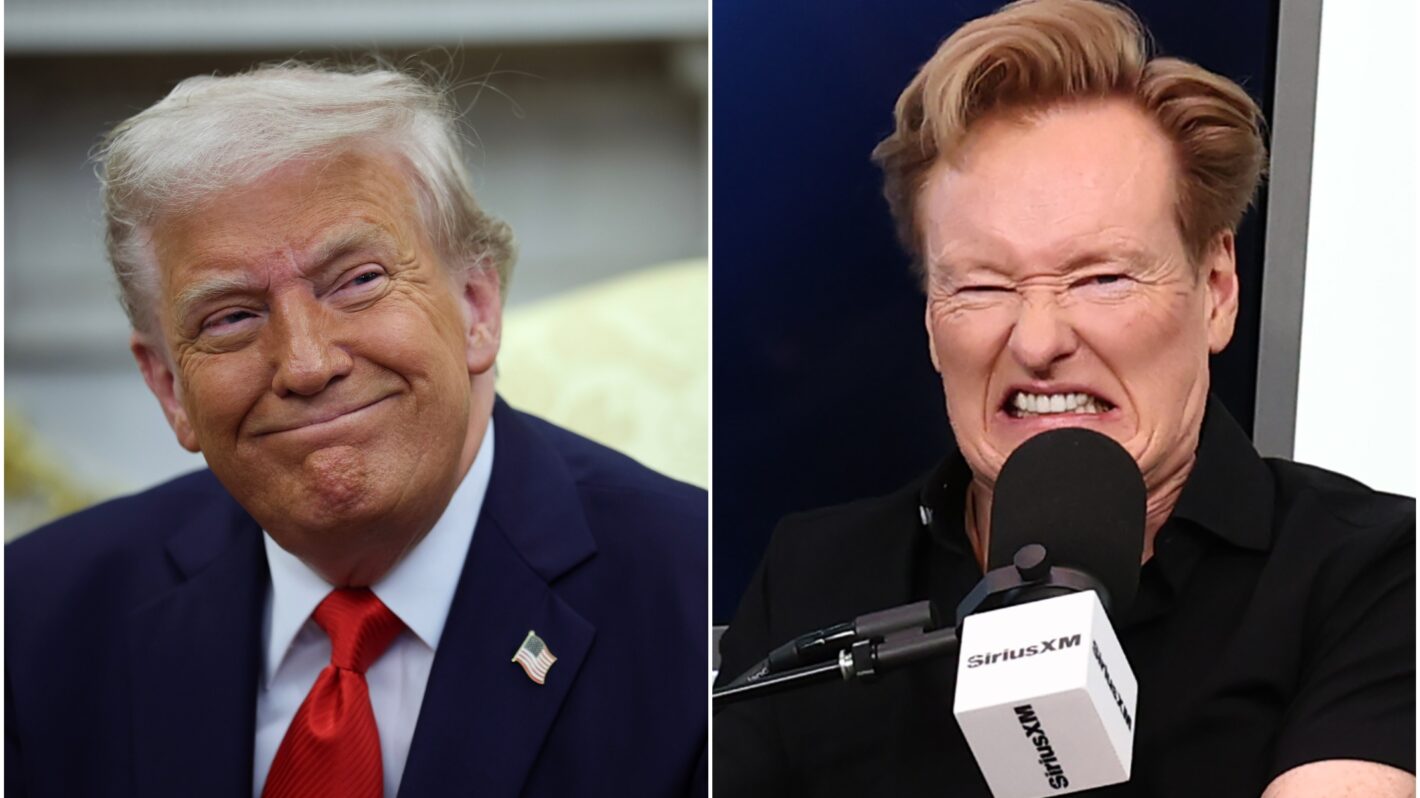
That context helps explain why a fictionalized narrative involving Conan O’Brien and President Donald Trump—set in 2025, during Trump’s second term—spread so rapidly across social media in recent weeks. The story, shared through long-form YouTube videos, TikTok edits, and X (formerly Twitter) threads, describes a shocking on-air exchange in which Trump is allegedly outmaneuvered by a single question and a dramatic twist.
No such broadcast occurred. No verified footage, transcript, or network record supports the claims. Yet millions engaged with the story as though it had.
The phenomenon reveals something important—not about the people involved, but about how modern audiences process power, intelligence, and credibility.
The Familiar Language of Late-Night Authority
The viral narrative borrows heavily from the grammar of late-night television. It opens with warmth and nostalgia: Conan’s self-deprecating humor, references to Trump’s past appearances, light banter about family. This mirrors real late-night conventions, where tension is softened before being sharpened.
Audiences recognize this rhythm instinctively. They have seen it in real moments—Jon Stewart pressing politicians with calm persistence, Stephen Colbert using irony instead of accusation, Conan relying on silence as much as punchlines.
The fictional story succeeds because it feels structurally authentic, even when the content itself is invented.
Why Trump Is Central to These Narratives
Donald Trump remains one of the most narratively powerful figures in American public life. Supporters and critics alike view him as a force of personality—confident, confrontational, and highly sensitive to perceived challenges.
In media storytelling, Trump often represents volume, repetition, and dominance. Whether fairly or not, those traits make him an ideal foil in fictional narratives that explore the limits of bravado when confronted with calm reasoning.
The viral Conan story does not spread because people believe its details. It spreads because it dramatizes a tension audiences already recognize: What happens when loud certainty meets quiet composure?
Conan O’Brien as a Symbol, Not a Character
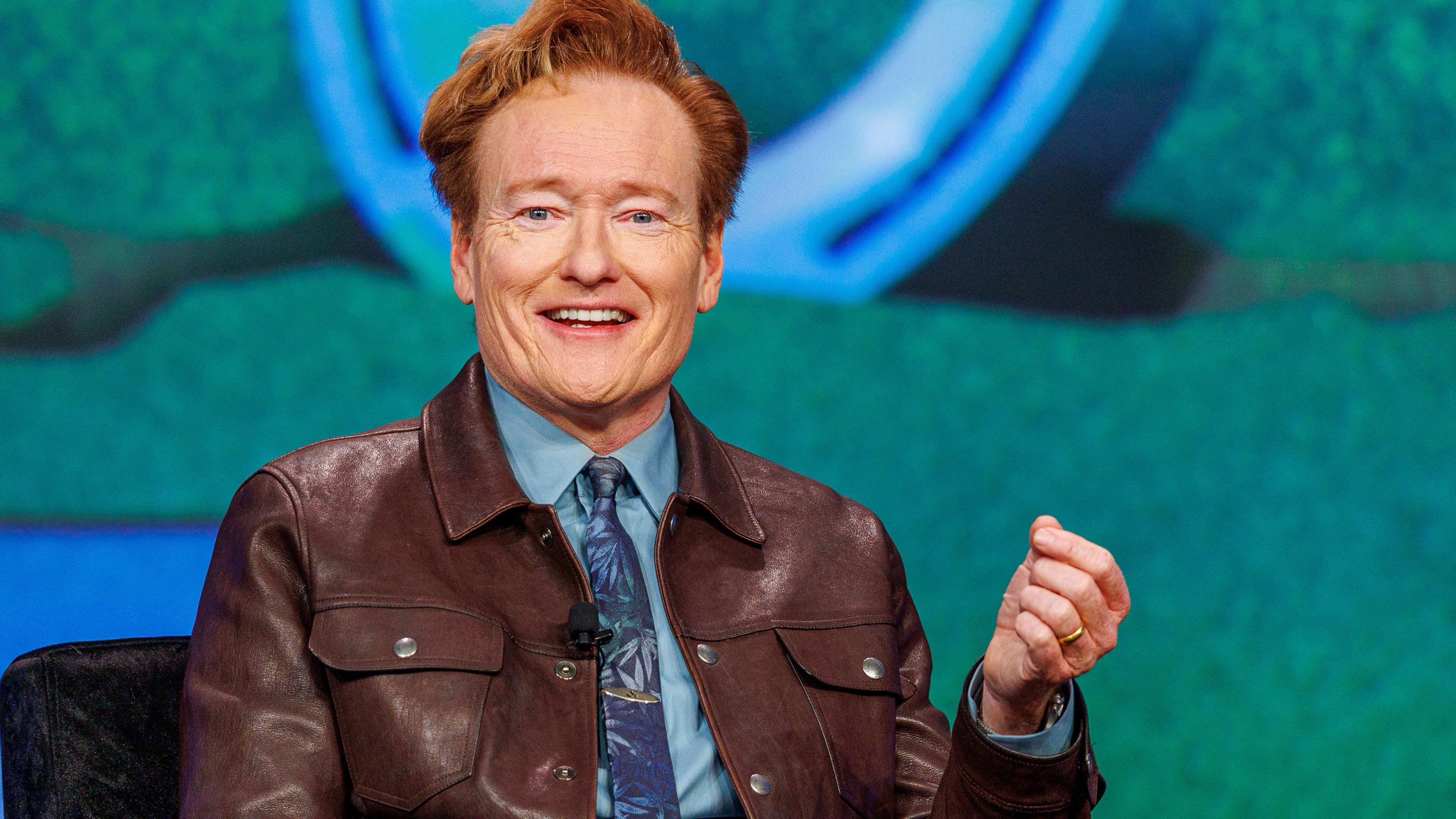
In the story, Conan O’Brien is less a real individual than an archetype. He represents a specific American ideal of intelligence: observational, patient, and non-reactive. Conan’s real career has long been defined by his refusal to escalate. He lets awkwardness linger. He allows others to reveal themselves.
Social media audiences, saturated with outrage and confrontation, respond strongly to this imagined version of restraint. The fictional Conan does not “win” by shouting or humiliating. He wins by waiting.
That distinction matters.
The Social Media Amplification Effect
Platforms like YouTube and TikTok reward long-form narrative packaged as commentary. Creators often blend speculation, satire, and dramatization without clear boundaries. Algorithms prioritize engagement over verification, and emotionally coherent stories outperform accurate but less dramatic ones.
Media scholars have noted that audiences increasingly assess credibility through tone rather than sourcing. A story that “feels right” can travel faster than one that is factually grounded.
In this case, the story aligned perfectly with existing cultural assumptions: late-night hosts as truth-tellers, Trump as combustible, and intelligence as something that reveals itself under pressure.
Silence as Power
What distinguishes this narrative from typical political fantasy is its emphasis on silence. The most shared moments are not the imagined accusations, but the pauses—the seconds where the room supposedly goes quiet.
Silence has become a powerful symbol in modern political storytelling. It suggests confidence, control, and moral authority. In contrast, excessive reaction is often read as insecurity.
This reflects a broader cultural shift. Where dominance once meant filling space with noise, it now increasingly means the ability to hold space without speaking.
The Danger of Narrative Without Context
While the story is compelling, it also illustrates the risks of viral political storytelling. Without clear framing, fictional narratives can be mistaken for reporting. That confusion erodes trust not only in individuals but in media institutions as a whole.
Reputable journalism relies on sourcing, corroboration, and accountability. None of those standards apply to the viral Conan–Trump story, and responsible outlets have not reported it as fact.
Understanding this distinction is critical. Stories can be meaningful without being true. But they become dangerous when audiences conflate the two.
What the Story Actually Reveals
Stripped of its sensational elements, the narrative reveals a deep public hunger for a specific kind of leadership and intelligence. Viewers are drawn to the idea that composure can outperform chaos, that listening can defeat bluster, and that authority does not need to announce itself loudly.
These are not political preferences as much as psychological ones. In a media environment dominated by outrage cycles, calm feels radical.
The story functions as a parable rather than a report.
Late-Night Television’s Enduring Role
Late-night television remains one of the few spaces where power is symbolically confronted without formal consequence. Hosts do not pass laws or issue rulings, but they shape perception. They model how to respond to authority—with humor, skepticism, and patience.
The fictional Conan moment resonates because it imagines a confrontation resolved not by force, but by clarity.
A Final Reflection
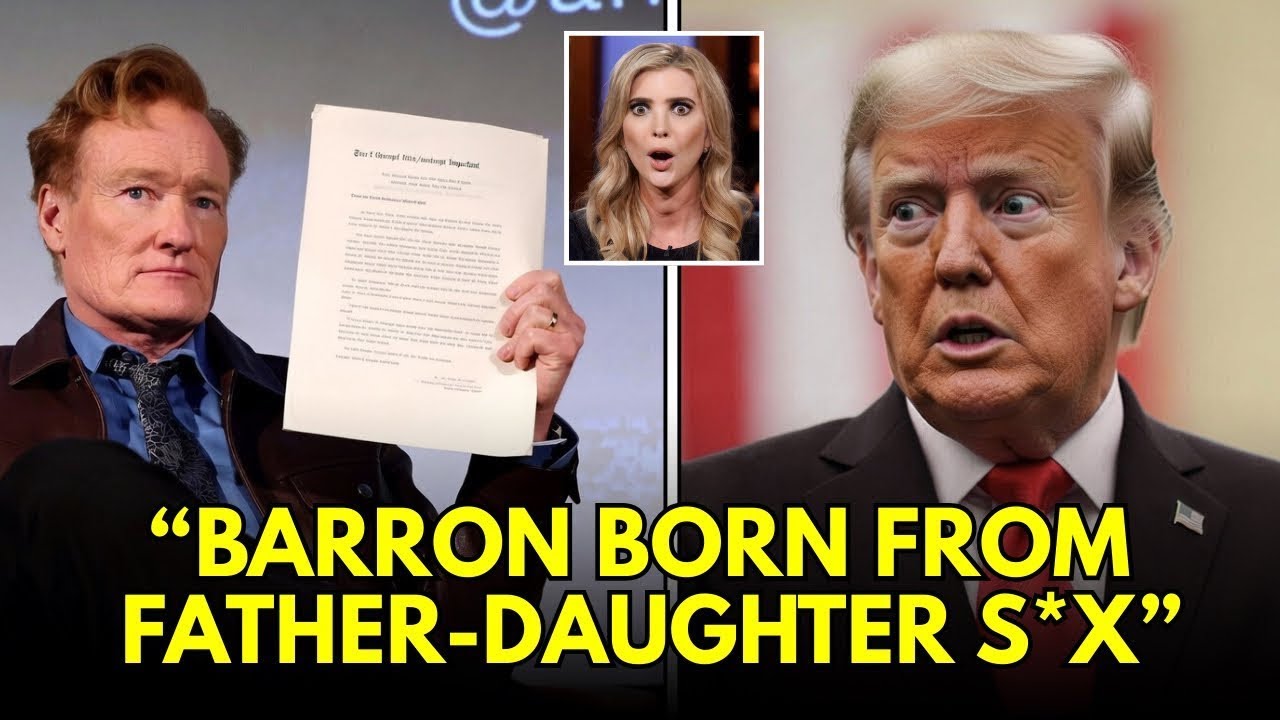
The viral Conan O’Brien–Donald Trump story did not spread because people wanted scandal. It spread because people wanted contrast. They wanted to see ego met with restraint, certainty met with curiosity, and dominance met with intelligence that does not need to shout.
That desire says less about Trump or Conan and more about the audience itself.
In an era where noise is constant, the most powerful fantasy may be this: that truth does not need to scream to be heard.






