Melania Trump’s Film Arrives With a Whisper, Not a Splash
NEW YORK — When a film bearing the name Melania Trump was announced with a wide theatrical rollout and a marketing budget more typical of a prestige documentary, expectations — or at least curiosity — followed. A former first lady, a major studio, and a release timed amid renewed attention on the Trump family appeared to offer the ingredients for a cultural moment.
What has followed instead is something quieter.
In the days leading up to its theatrical debut, early ticket sales for Melania — the Amazon-backed film centered on Mrs. Trump — have been sparse across much of the country, according to publicly available seating data and reporting from entertainment trade outlets. In both conservative-leaning regions and major urban markets, showtimes remain lightly booked, prompting industry analysts to question whether the film will recoup even a fraction of its reported investment.
A High-Profile Release, Modest Interest
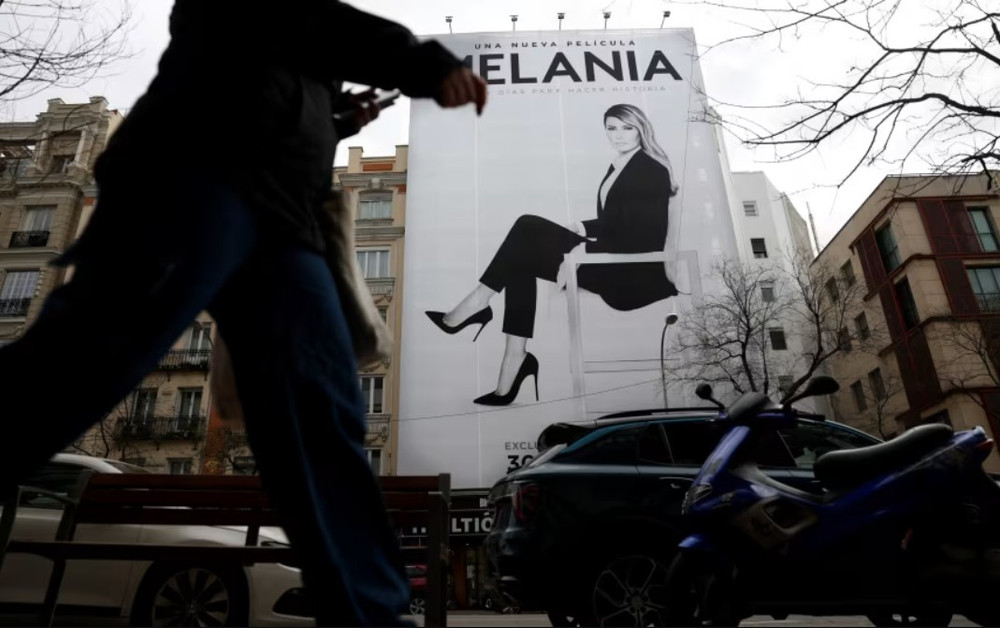
The film was acquired by Amazon MGM Studios for a reported $40 million, with an additional estimated $30–35 million spent on marketing and distribution, according to reporting by Puck and other entertainment newsletters. The release plan was unusually ambitious for a documentary-style project: more than 1,000 theaters in the United States, followed by an international rollout before streaming availability.
Such a strategy suggested confidence. Early indicators, however, tell a different story.
In cities often associated with strong Republican support — including parts of Florida and Texas — multiple showtimes showed only a handful of tickets sold, even on opening weekend. In Democratic strongholds like Los Angeles and New York, interest appeared similarly muted. Screens assigned to the film were frequently smaller auditoriums, a sign, exhibitors say, of cautious expectations.
“It’s not uncommon for political documentaries to open modestly,” said one independent theater operator in California. “But this is quieter than most, given the name recognition.”
A Film Without a Natural Audience
Industry analysts point to a central challenge: the difficulty of identifying a core audience.
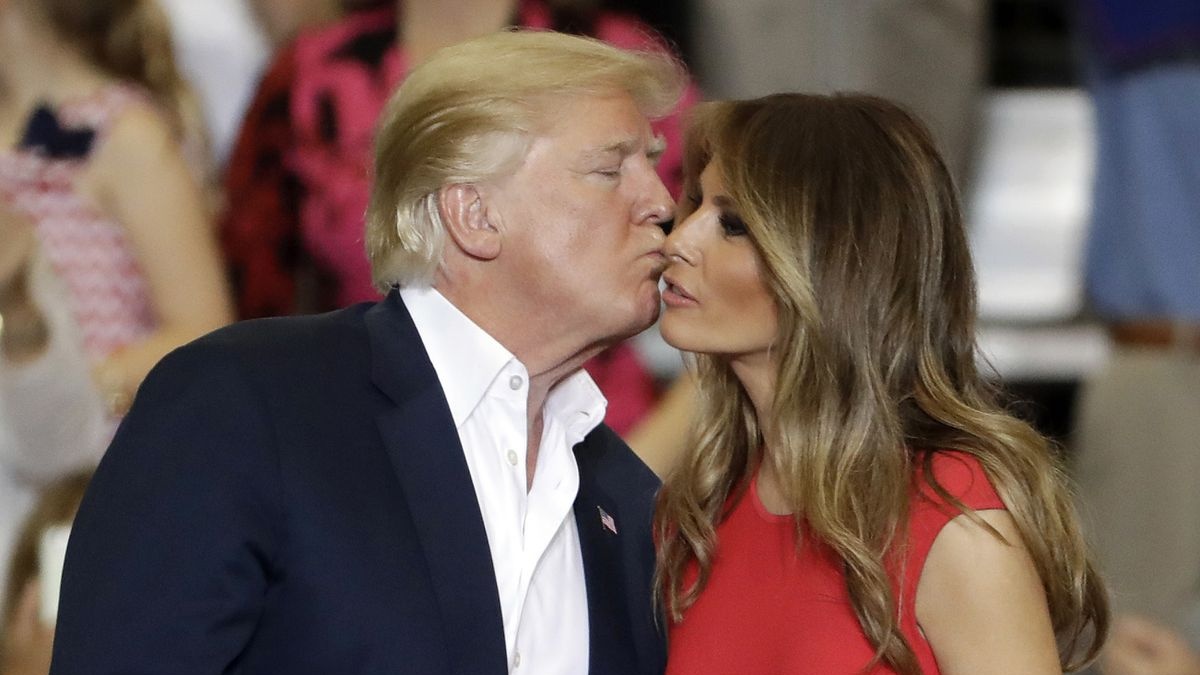
Mrs. Trump has long maintained a reserved public profile, rarely granting interviews or offering detailed insight into her personal views. For supporters of her husband, Donald Trump, enthusiasm has historically focused on him rather than on extended family narratives. For critics, a film centered on the former first lady offers little appeal.
“The project sits in an awkward middle,” said a media strategist who advises documentary distributors. “It’s too political for lifestyle audiences and too personal for political ones.”
Even Mr. Trump himself appeared to distance himself from the release. Asked by reporters whether he had seen the film, he said he had seen “pieces of it,” a remark that circulated widely on social media and was interpreted by some commentators as faint praise at best.
Critical Silence and Controlled Messaging
Unlike many high-profile releases, Melania was not screened widely for critics ahead of its theatrical opening. Amazon MGM declined to comment on that decision, but industry observers note that early reviews — whether positive or negative — can shape public interest.
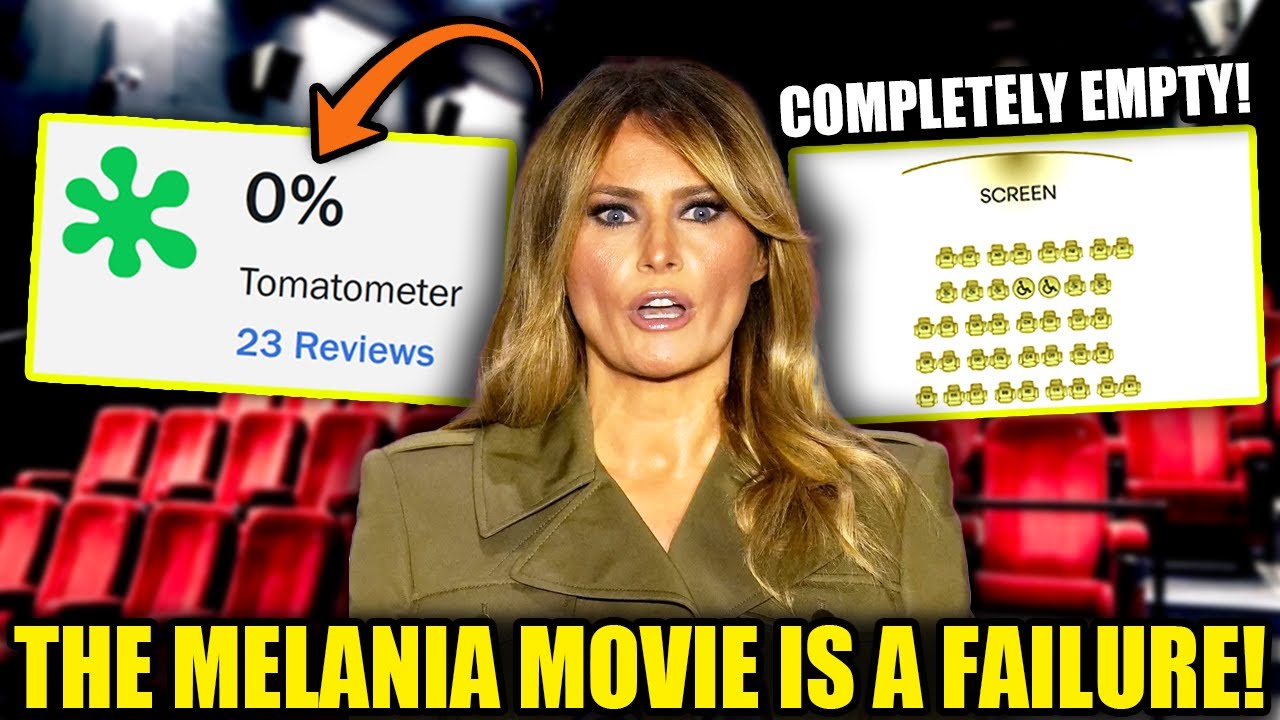
In the absence of professional criticism, the conversation shifted to social media. On platforms such as X, TikTok, and Instagram, users shared screenshots of largely empty seating charts and photos of promotional posters altered by passersby. While such posts do not provide comprehensive data, they helped establish a narrative of indifference that proved difficult to counter.
“Perception becomes reality very quickly online,” said a digital culture researcher at New York University. “Once ‘no one is seeing this’ takes hold, it’s almost impossible to reverse.”
The Director’s Shadow
The film was directed by Brett Ratner, a Hollywood filmmaker whose career has been largely dormant since multiple women accused him of sexual misconduct in 2017, allegations he has denied. In recent months, his name resurfaced after documents released by the Justice Department in connection with the Jeffrey Epstein investigation included photographs showing him alongside Jean-Luc Brunel, a fashion agent later charged in France with sex-related crimes.
Although those materials do not allege wrongdoing by Mr. Ratner in connection with the film, the associations added a layer of reputational risk to a project already facing skepticism. Amazon MGM declined to comment on Mr. Ratner’s involvement beyond confirming his role as director.
A Lavish Promotion, Limited Return
Despite slow early sales, promotion has been extensive. Amazon organized premiere events in multiple cities, including a screening hosted at the White House, where guests were offered themed refreshments and branded merchandise. Influencers sympathetic to the Trump family posted enthusiastic endorsements, encouraging followers to attend regardless of political affiliation.
Those posts, however, often struggled to generate engagement comparable to typical viral political content.
“The promotional push felt disproportionate to the organic interest,” said a former studio marketing executive. “That can sometimes backfire, reinforcing the sense that something is being propped up rather than discovered.”
Broader Implications for Political Media
The film’s muted reception highlights a broader shift in political media consumption. During Mr. Trump’s first term, content connected to his presidency — whether supportive or critical — reliably drew attention. Nearly a decade later, saturation and fatigue appear to have set in.
“Trump-related material only breaks through now when it involves direct political consequences,” said a professor of media studies at UCLA. “A personal portrait, without new revelations, struggles to compete.”
That dynamic may also reflect changes in how audiences engage with documentaries. Streaming platforms have accustomed viewers to immediate access, reducing the appeal of theatrical releases for non-event films.
What Happens Next
Amazon MGM has not released official box-office figures, and the film’s long-term performance will depend in part on its eventual streaming debut, where metrics such as views and completion rates may matter more than ticket sales.
Still, the theatrical response offers an early signal.
“This was meant to be a statement release,” said one entertainment analyst. “Instead, it’s becoming a case study in the limits of name recognition.”
For the Trump brand — long associated with commanding attention — the film’s quiet arrival is notable. Not because it failed amid controversy, but because it failed to provoke much reaction at all.
In an era when cultural relevance is often measured by intensity rather than approval, indifference can be the harshest verdict.
Whether Melania finds a second life on streaming platforms remains to be seen. For now, its debut underscores a simple reality of modern media: even the most famous names cannot guarantee an audience — especially when viewers decide, collectively, to look elsewhere.






