ST. PAUL, Minn., Jan. 28, 2026 — Minnesota Secretary of State Steve Simon has delivered a sharply limited and heavily redacted set of voter registration records to U.S. Attorney General Pam Bondi in response to a federal demand for access to state voter databases, according to state officials and documents reviewed by this outlet.
The submission, sent late last week, consists of approximately 1 percent of the total voter file — roughly 40,000 out of Minnesota’s 3.8 million active registered voters — with every field except name, address and registration date blacked out. Personal identifiers such as date of birth, driver’s license number, Social Security number (last four digits), phone number, email address, and party affiliation were completely redacted. Every page carries a printed header reading:
“Most transparent state government ever.”
The phrase, a pointed jab at the Trump administration’s repeated claims of election integrity concerns, was approved personally by Secretary Simon, according to a spokesperson for the office. The limited dataset was provided under protest, with Minnesota citing both state privacy laws and federal restrictions on the release of certain voter information without court order or specific statutory authorization.
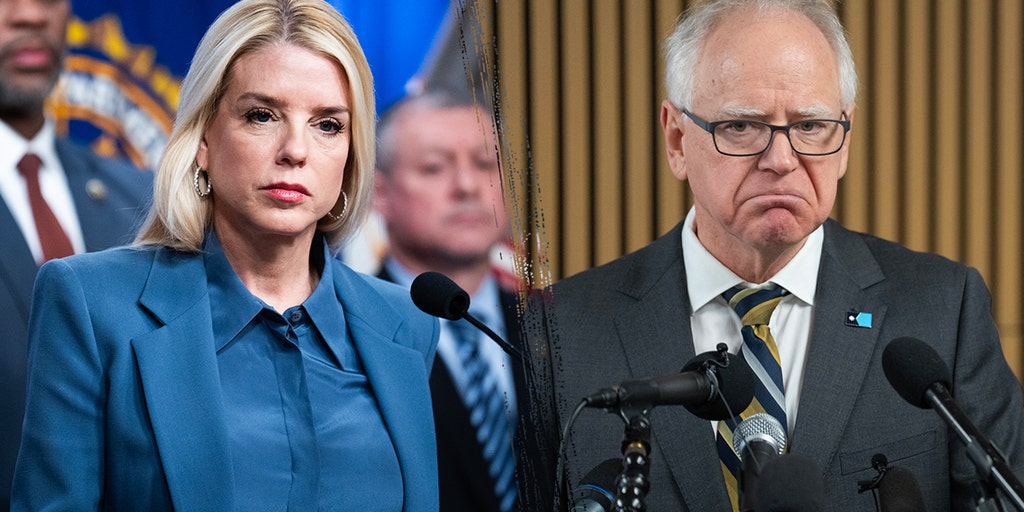
The request originated from Attorney General Bondi’s office in early January, part of a broader push by the Justice Department to obtain voter rolls from several Democratic-leaning states for what officials describe as “election integrity compliance reviews.” Minnesota was one of the first to respond, but with strict limitations. State law (Minn. Stat. § 201.091) allows public access to certain voter data but prohibits disclosure of sensitive personal information and requires redaction of data that could be used for identity theft or harassment.
In a cover letter accompanying the records, Secretary Simon wrote: “Minnesota complies with federal law while protecting the privacy rights of our voters. We will not provide unrestricted access to personally identifiable information absent a judicial finding of necessity.” The letter also referenced the National Voter Registration Act (NVRA) and the Help America Vote Act (HAVA), arguing that the federal demand exceeded statutory authority.
Justice Department spokespeople called the response “obstructionist and inadequate,” stating that the department is reviewing options, including potential litigation to compel fuller disclosure. A senior official, speaking on condition of anonymity, described the redactions as “deliberately provocative” and said the department may seek a court order or subpoena.

The incident has drawn sharp partisan reactions. Democratic lawmakers and voting-rights advocates praised Minnesota’s stance as a necessary defense against what they call a politicized federal overreach. Republican leaders, including Sen. Amy Klobuchar’s office, have not commented directly, but allies in Congress have criticized the state for “stonewalling” legitimate oversight.
The limited submission has fueled online commentary, with some social media users sharing screenshots of the redacted pages and the mocking header as a symbol of resistance. Minnesota officials have not denied the tone, with Secretary Simon telling reporters: “We believe in transparency, but not in handing over private voter information without safeguards. If the federal government wants more, they can follow the law.”
The dispute is part of a larger national fight over access to voter rolls. Similar requests have gone out to states including California, New York and Illinois, with varying degrees of compliance. In some cases, states have provided only publicly available data, while others have refused outright, citing privacy and security risks.
Legal experts are divided on the outcome. Some argue the Justice Department has broad authority under the NVRA to request certain records for enforcement purposes, while others say Minnesota’s position is defensible absent a court order or clear statutory mandate for the specific data sought.
The department has not yet filed suit over the Minnesota response, but officials indicated they are preparing further action. For now, the redacted files and the sarcastic header have become a minor flashpoint in the ongoing clash between federal election oversight and state control of voter data.
The Justice Department and Minnesota Secretary of State’s Office did not immediately respond to requests for additional comment. The full cover letter and sample redacted pages have been made public by the state as part of its transparency policy.