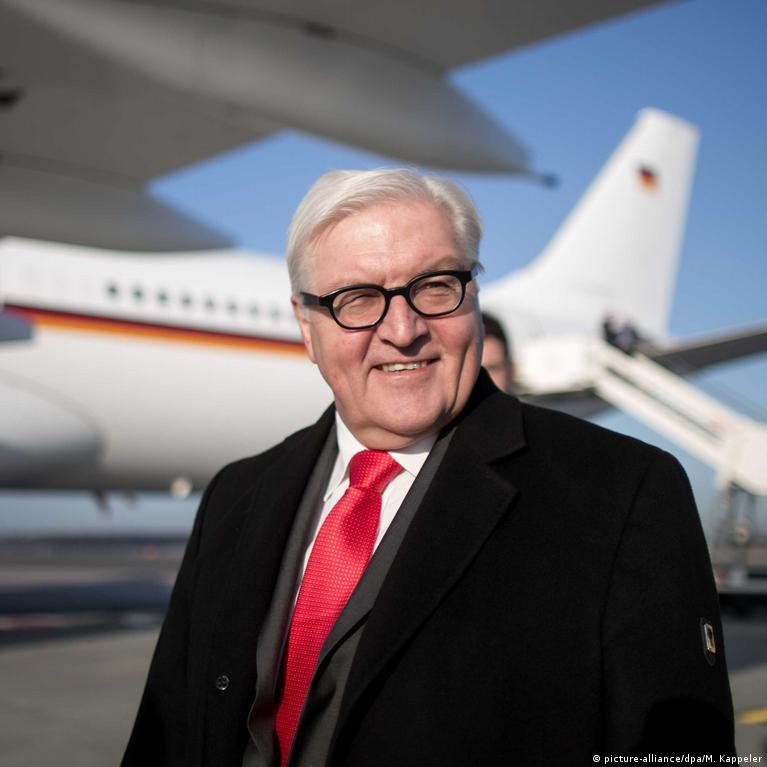
Germany’s vice chancellor visiting a Bombardier plant in Toronto wasn’t just a diplomatic photo-op — it was a clear and deliberate message to Washington and the world. By publicly declaring “A Canadian airplane, a German engine, a partnership that speaks for itself,” Berlin has signalled that Canada is now viewed as a key long-term strategic partner in defense, aerospace, artificial intelligence, energy, and critical supply chains. This high-profile visit marks a significant moment in the evolving relationship between Europe and Canada at a time when traditional alliances are being stress-tested like never before.

The symbolism of the event runs deep. Germany, as Europe’s largest economy and industrial powerhouse, has historically maintained close defense and economic ties with the United States. However, recent years have seen growing unease in European capitals about over-reliance on Washington, especially amid political volatility and shifting American priorities. The visit to the Bombardier facility sends a powerful signal that Europe is actively seeking more balanced and diversified partnerships across the Atlantic.
Canada offers exactly what Europe needs right now. With vast reserves of lithium, uranium, rare earth minerals, and other critical resources, Canada is positioned as a stable and reliable supplier in an increasingly uncertain global environment. Beyond resources, Canada brings world-class aerospace manufacturing expertise through companies like Bombardier, leadership in artificial intelligence research, and a strong commitment to NATO cooperation without the political complications that sometimes accompany direct U.S. engagement.
The partnership between German engineering excellence and Canadian aerospace innovation represents a natural fit. German companies have long been leaders in advanced propulsion systems and high-technology manufacturing, while Bombardier has established itself as a major player in business jets and regional aircraft. Combining these strengths creates opportunities for joint development of next-generation platforms that could serve both commercial and defense markets.
Even more significant is the emerging defense dimension. NATO is increasingly moving toward advanced airborne early warning and control systems, with the Saab-Bombardier GlobalEye aircraft gaining serious attention. This development positions Canada not merely as a resource supplier to Europe, but as an important contributor to Europe’s future defense infrastructure. The GlobalEye platform, which combines Swedish radar technology with Canadian airframes, offers European nations an attractive alternative to American systems.
Behind the scenes, Europe appears to be quietly building a new transatlantic alliance centered around trusted democratic partners. This network includes Canada, Germany, the United Kingdom, and several other like-minded nations that share concerns about supply chain security, technological sovereignty, and strategic autonomy. Canada’s stable political environment, rule of law, and commitment to multilateral institutions make it an ideal partner in this emerging framework.
The timing of Germany’s outreach to Canada is particularly noteworthy. As tensions between Washington and Ottawa continue over trade, tariffs, and defense spending, European leaders see Canada as a bridge — a North American nation that understands both European and American perspectives while maintaining its own independent foreign policy. This positioning gives Canada unique leverage in the current geopolitical climate.
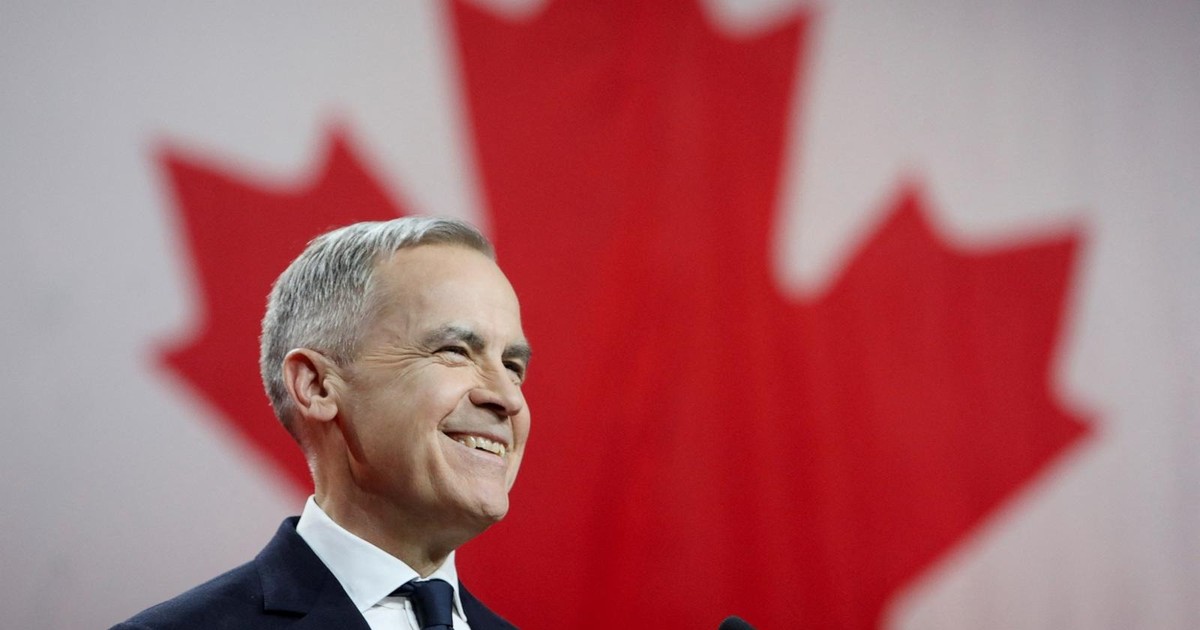
For Prime Minister Mark Carney, this development aligns perfectly with his long-term vision of economic diversification and strategic autonomy. Since taking office, Carney has consistently emphasised the need to reduce Canada’s vulnerability to unilateral American policy decisions. Strengthening ties with Germany and other European partners represents a practical implementation of that strategy.
The economic benefits for Canada could be substantial. A deepened partnership with Germany could lead to major investments in Canadian manufacturing, research and development, and critical minerals processing. Thousands of high-skilled jobs in aerospace, advanced manufacturing, and technology sectors could be created or sustained through these new collaborations. Canadian suppliers would gain access to European markets, while German firms secure reliable access to North American resources and talent.
This is not simply about bilateral trade. It represents a fundamental shift in how middle powers are navigating great power competition. As the United States and China continue their strategic rivalry, countries like Canada and Germany are seeking to maintain their independence and prosperity by building diversified networks of cooperation. The Bombardier visit symbolises this new approach in action.
European concerns about over-reliance on the United States have grown significantly in recent years. Political uncertainty in Washington, questions about long-term commitment to NATO, and the weaponisation of economic tools in trade disputes have prompted European leaders to accelerate efforts to build more resilient supply chains and defense capabilities. Canada, with its abundant natural resources and advanced industrial base, fits naturally into this European strategy.
The defense implications are particularly important. European nations are increasingly investing in their own security capabilities rather than depending almost exclusively on American military power. Canada’s participation in projects like the GlobalEye system allows Europe to develop alternatives to U.S.-dominated platforms while maintaining strong transatlantic security ties. This balanced approach strengthens European strategic autonomy without severing the vital NATO alliance.
For Canada, this partnership offers more than economic benefits. It enhances the country’s international standing and provides greater leverage in negotiations with the United States. By demonstrating that it has attractive alternatives, Canada can negotiate from a position of strength rather than dependence. This dynamic could reshape North American relations in subtle but important ways over the coming decade.
The visit also highlights the growing importance of critical minerals in global geopolitics. As the world transitions to clean energy technologies, demand for lithium, cobalt, nickel, and rare earth elements continues to surge. Canada possesses significant deposits of these materials and is working to develop responsible and sustainable extraction and processing capabilities. European nations, eager to reduce dependence on Chinese supply chains, see Canada as a trusted and democratic alternative supplier.
Artificial intelligence and advanced technology represent another key area of cooperation. Both Canada and Germany have invested heavily in AI research and development. Collaborative projects in this field could yield breakthroughs in areas ranging from autonomous systems to climate modelling and medical research. The partnership builds on existing strengths while creating new opportunities for innovation and commercialisation.
The broader geopolitical context cannot be ignored. As global power structures continue to evolve, traditional alliances are being tested and new configurations are emerging. The relationship between Canada and Germany exemplifies how middle powers can work together to protect their interests and promote stability in an uncertain world. This is not about replacing the United States but about creating a more balanced and resilient international order.
Canadian industry leaders have welcomed the German initiative. Bombardier and other aerospace companies see tremendous potential in partnering with German firms to develop next-generation aircraft and defense systems. The collaboration could help revitalise Canada’s manufacturing sector and position the country as a more significant player in global defense markets.
Political analysts in both countries view this development as highly positive. It demonstrates that Canada and Germany share common values, democratic institutions, and long-term strategic interests. In an era when many international relationships are transactional, this partnership appears to be built on genuine mutual benefit and trust.
As the details of potential agreements continue to be negotiated, the world will be watching closely. The outcome of these discussions could influence not only Canada-Germany relations but also broader patterns of international cooperation in defense, energy, and advanced technology. The signal sent by Germany’s vice chancellor in Toronto was clear and deliberate: Europe is looking for new partners, and Canada is at the top of the list.
This moment represents an important opportunity for Canada to assert itself on the global stage. By embracing deeper partnerships with European nations, Canada can enhance its security, strengthen its economy, and play a more influential role in shaping the future of the international order. The coming years will reveal how effectively this vision can be translated into concrete results.
The partnership between Canada and Germany may ultimately serve as a model for how democratic nations can work together to navigate an increasingly complex and competitive world. For both countries, and for the broader transatlantic community, this development carries profound implications that will unfold over the decades ahead.






