Luxon and Willis outline fuel supply position amid Iran-related market developments
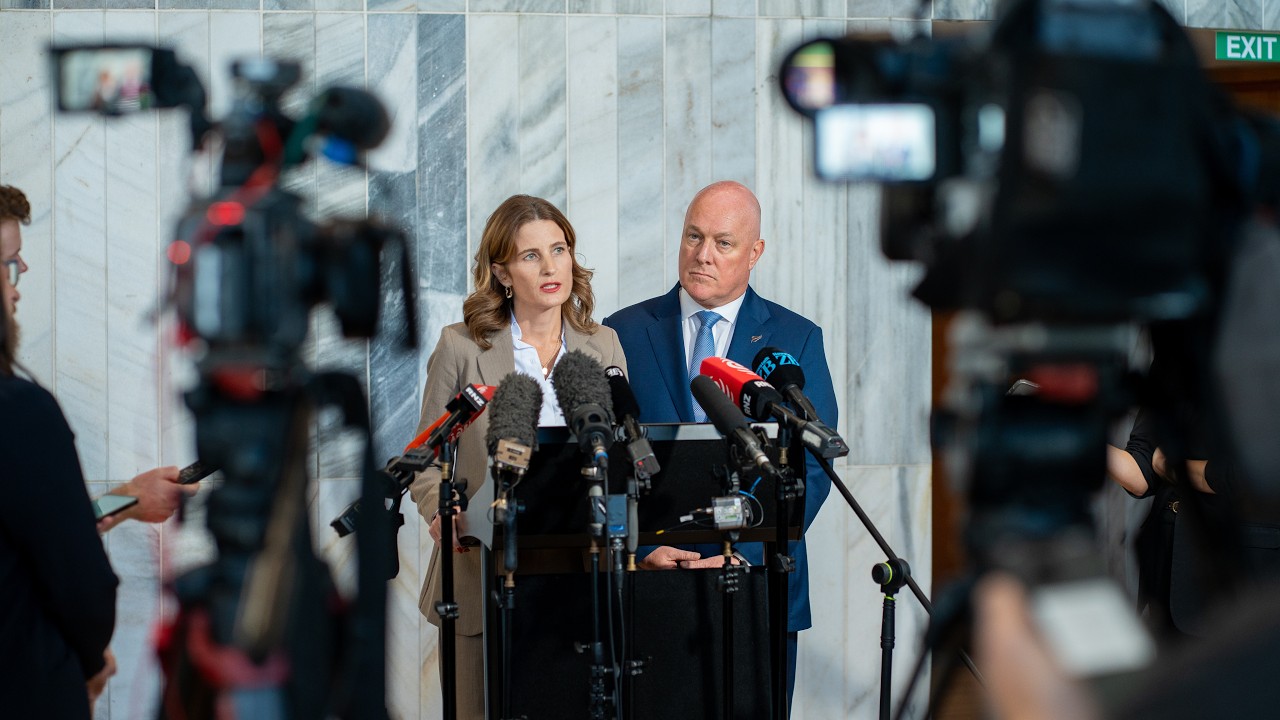
Prime Minister Christopher Luxon and Finance Minister Nicola Willis addressed media representatives today on developments concerning fuel supply and the situation in Iran, providing reassurance on domestic preparedness amid global uncertainties.
The joint briefing highlighted ongoing monitoring of international oil markets influenced by tensions involving Iran, with officials outlining steps to maintain stability in New Zealand’s fuel sector. This comes as global energy prices experience fluctuations due to geopolitical factors.
Context for the update stems from recent international reports on potential disruptions in oil shipping routes, prompting the government to assess impacts on local petrol and diesel availability. Luxon emphasised the importance of proactive communication to households and businesses.
The government has outlined its commitment to ensuring fuel security through diversified import sources and strategic reserves maintained by the Ministry of Business, Innovation and Employment. This approach aims to minimise any immediate price volatility for consumers.
Nicola Willis detailed fiscal implications, noting that the coalition is reviewing excise duty settings and considering targeted support for transport operators if sustained increases occur. She stressed fiscal responsibility while addressing cost-of-living concerns.
Policy explanation focuses on the Fuel and Electricity Procurement framework, which allows for contingency measures during supply shocks. Implementation involves coordination with suppliers and ports to expedite deliveries where needed.
Industry feedback from the Road Transport Forum and oil companies has been generally supportive of clear government messaging, though some have called for faster regulatory adjustments to ease distribution costs. Public feedback indicates moderate concern over potential rises at the pump.
Opposition parties have reacted by urging greater detail on contingency funding and questioning whether current reserves are adequate for prolonged disruptions. Labour has suggested expanding support for low-income families affected by fuel costs.
Political implications include the need to balance coalition priorities between economic stability and environmental goals, particularly with ongoing transitions toward cleaner energy sources. Uncertainties remain around the duration of any Iran-related market effects.
Details of implementation include quarterly reviews of fuel security protocols and potential activation of the National Fuel Plan if thresholds are met. Funding would draw from existing budget allocations rather than new appropriations at this stage.
The government’s viewpoint underscores New Zealand’s relatively insulated position due to multiple trading partners, while acknowledging that global events can still influence domestic prices. Willis noted inflation moderating overall despite energy pressures.
Questions about long-term resilience have spurred discussion on investment in alternative fuels and domestic refining capabilities. Officials indicated further analysis is under consideration ahead of the next budget cycle.
Analysts observe that such updates serve to manage public expectations during periods of international volatility, with mixed feedback from commentators on the level of specificity provided.
Industry groups continue to seek clarity on timelines for any mitigating actions, emphasising the importance for logistics and primary production sectors reliant on reliable fuel supply.
Receiving mixed feedback overall, the briefing has highlighted differences in perspective between urban motorists and rural users, the latter expressing higher sensitivity to cost changes.
Political implications extend to broader foreign policy considerations, with New Zealand maintaining diplomatic channels open while prioritising energy security. Uncertainties persist regarding escalation risks in the Middle East.
The update also touched on related economic indicators, with Willis linking fuel developments to wider monetary policy settings managed by the Reserve Bank.
Government officials confirmed that no immediate shortages are anticipated, though vigilance remains key. This reflects a measured approach to risk management in line with established protocols.
In conclusion, the briefing by Luxon and Willis reinforces the coalition’s focus on practical responses to external challenges while advancing domestic priorities.
As developments unfold, continued monitoring and stakeholder engagement will be essential to address any emerging pressures on households and the economy.
Looking forward, the government is expected to provide further details as the international situation evolves, ensuring New Zealand remains well-positioned to handle fuel market dynamics.






