The institutional architecture of North American trade is currently experiencing its most severe structural disruption in decades, as the symbiotic economic relationship between Canada and the United States rapidly devolves into an overt, emotionally charged cross-border confrontation that is fracturing historical alliances.
At the absolute epicenter of this geopolitical escalation sits a staggering, impossible-to-ignore contradiction within the Trump administration’s economic strategy, which simultaneously demands strict compliance with international frameworks while systematically undermining the foundational credibility of agreements negotiated under its own executive purview.
The modern incarnation of the Canada-United States-Mexico Agreement, widely celebrated by Donald Trump during his first presidential term as a historic triumph of American diplomacy, has been effectively hollowed out by the sudden, unilateral imposition of punitive industrial tariffs on northern imports.
Washington’s subsequent institutional bewilderment regarding the fiercely defensive, coordinated pushback from both Ottawa and the Canadian electorate reveals a profound, systemic miscalculation within the White House concerning the political resilience and sovereign autonomy of its closest economic and strategic partner.
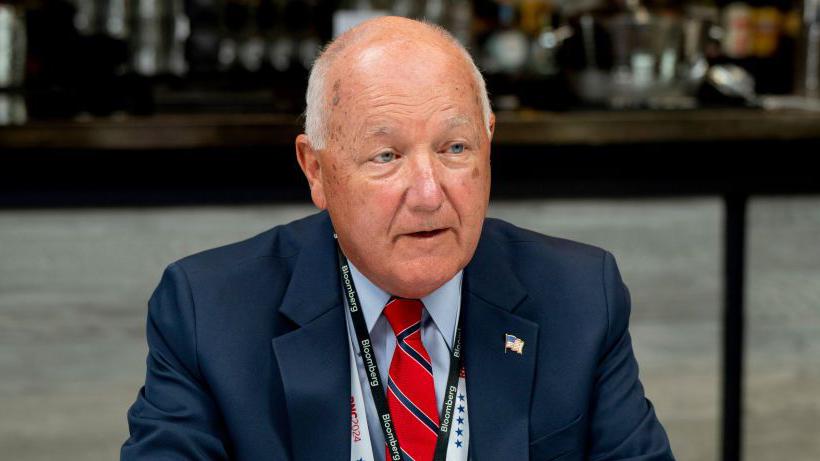
In a highly publicized recent broadcast, United States Ambassador Pete Hoekstra openly aired Washington’s deep irritation, explicitly criticizing the widespread, provincial bans on American alcohol imports while projecting a calculated, diplomatic inability to comprehend why the Canadian public remains so profoundly alienated.
The strategic reality, however, remains entirely transparent to international observers: Canadian consumers and provincial leaders did not experience these sweeping economic disruptions as a standard, baseline negotiation tactic, but rather as a direct, unprovoked betrayal of negotiated binational trust.
The subsequent grassroots retaliatory measures, characterized by intensive consumer boycotts of American goods, sharp declines in cross-border tourism, and structural procurement overhauls, have successfully inflicted severe, documented fiscal damage upon domestic agricultural and distilled spirits industries throughout multiple American border states.
According to recent data compiled by prominent United States trade panels, global American spirit exports suffered a devastating sixty-three percent plunge within the Canadian market over the past fiscal year, forcing prominent industry bodies to aggressively lobby the administration for immediate relief.
The organic, unmanufactured nature of this Canadian resistance has caught Washington completely off guard, as the White House initially anticipated a brief period of standard diplomatic complaints followed by eventual, quiet compliance from an economy traditionally dependent on American markets.
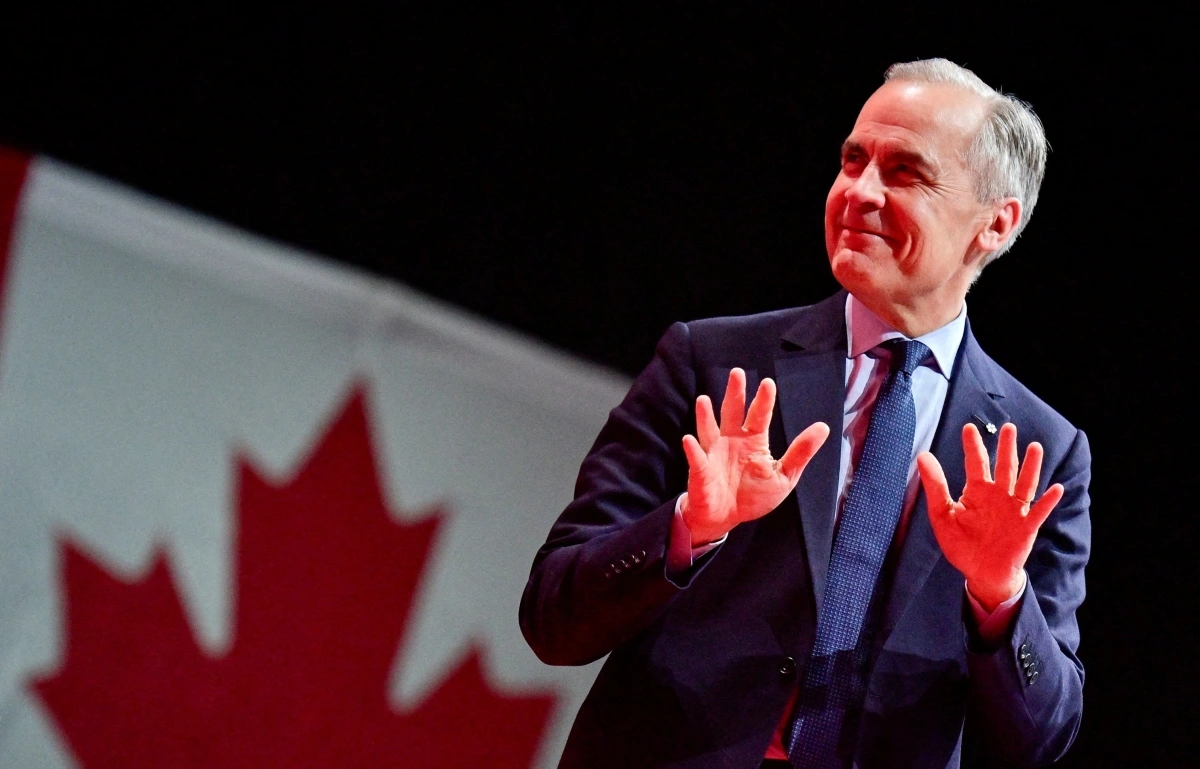
Instead, the newly established administration of Prime Minister Mark Carney has signaled a fundamental, long-term pivot in Ottawa’s macroeconomic trajectory, deliberately steering the nation toward aggressive trade diversification, domestic industrial investment, and an overt, uncompromising defense of national economic sovereignty.
By conceptualizing Canada’s historic, asymmetric dependence on the United States market as a core strategic vulnerability rather than an absolute necessity, the Carney government is actively reshaping the rules of engagement for transatlantic and continental trade relations.
This bold, sovereign posture is further reinforced by provincial leaders like Ontario Premier Doug Ford, who has explicitly stated that American products will only return to commercial shelves when Washington permanently abolishes its aggressive, non-reciprocal tariff regimes against Canadian steel and aluminum.
The upcoming, mandatory review of the trilateral trade agreement is therefore rapidly transforming into a high-stakes geopolitical battleground, where the central issue is no longer merely the adjustment of specific market quotas, but the fundamental preservation of international diplomatic credibility.
As Ambassador Hoekstra continues to dismiss Canadian frustration as mere political theater orchestrated by regional leaders, the growing emotionalism and defensive tone emanating from the United States Embassy increasingly exposes a deep-seated nervous anxiety within the current administration.
The administration’s established strategy of applying maximum economic pressure while expecting targeted nations to quietly absorb the fiscal impact has officially reached a point of diminishing returns along the forty-ninth parallel, as Canadian society remains firmly unified behind a prolonged resistance.
For decades, the prevailing geopolitical assumption within Washington was that economic conflict with the United States was a reality that Canada simply had to endure due to the sheer disproportion of their respective gross domestic products.
The contemporary reality of 2026 has thoroughly shattered that outdated paradigm, as American businesses begin to realize that economic warfare is a fundamentally dual-edged sword capable of disrupting domestic supply chains and destroying thousands of blue-collar manufacturing jobs.
The ongoing dispute highlights a much deeper, structural transformation within North American geopolitics, where the traditional mechanisms of bilateral cooperation are being systematically replaced by raw, transactional power dynamics that prioritize short-term domestic political victories over long-term alliance stability.

By expanding tariffs to encompass the full customs value of critical industrial metals, the White House has effectively forced Canadian policymakers to treat economic defense not as a temporary policy adjustment, but as an existential national security priority.
The introducing of robust “Buy Canadian” procurement initiatives and targeted financial relief measures for affected domestic manufacturers demonstrates that Ottawa is entirely prepared to sustain a prolonged economic standoff to protect its long-term industrial base.
This shifting dynamic is causing significant, long-term anxiety within the international financial sector, as corporate investors begin to reassess the historical stability of the North American economic corridor amid the persistent threat of sudden, erratic executive policy shifts.
The Trump administration’s apparent inability to reconcile its protectionist rhetoric with the operational realities of a highly integrated, continental supply chain is rapidly alienating its most critical, historically reliable continental allies.
The defensive public messaging utilized by American diplomats, which frequently attempts to frame America’s global tariff strategy as a universal norm that should not offend specific nations, falls entirely flat within a Canadian political ecosystem that values institutional reciprocity.
As the economic costs of this trade confrontation continue to compound on both sides of the border, the true long-term casualty of the conflict is rapidly becoming the foundational element of any enduring international partnership: mutual geopolitical trust.
The ongoing boycotts and institutional standoffs serve as a stark, powerful indicator that Canada is no longer willing to automatically capitulate to unilateral executive pressure, fundamentally altering the diplomatic equilibrium of the entire continent.
Whether the upcoming trade review will yield a functional, modernized compromise or result in the complete, de facto disintegration of continental free trade remains an open, deeply consequential question for global markets.
What remains indisputable, however, is that the era of passive Canadian compliance has officially drawn to a close, replaced by a sophisticated, resilient defense of national sovereignty that is actively hitting a nerve within the halls of American power.
The escalating trade war serves as an enduring testament to the fact that international agreements are only as strong as the political will required to honor them, a lesson Washington is currently learning at a highly significant economic premium.
As both nations prepare for a turbulent, highly contested period of formal renegotiation, the international community is watching a historic realignment where proximity no longer guarantees political alignment or economic subservience.
The ultimate resolution of this bitter continental dispute will not only define the future of North American commerce, but will serve as a definitive blueprint for how modern middle powers can successfully resist the unilateral economic dictates of a global superpower.






