A major political battle may now be brewing in Western Australia after Pauline Hanson launched one of her strongest attacks yet against the Albanese Labor government, accusing Canberra of actively damaging Australia’s long-term economic future.
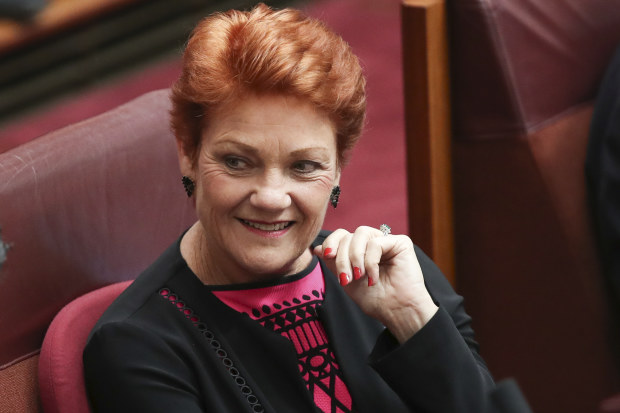
Speaking as One Nation increases its focus on WA ahead of future elections, Hanson argued that resource-rich states like Western Australia are being held back by policies she claims are undermining prosperity, investment, jobs, and economic security for ordinary Australians.
Her message was blunt and unmistakable.
According to Hanson, Western Australia has become one of the clearest examples of the growing disconnect between Canberra’s political leadership and the industries that continue powering large parts of the national economy. She warned that decisions being made in the capital could eventually weaken Australia’s mining strength, manufacturing capacity, energy security, and long-term competitiveness globally.
For many voters in WA, those arguments are already resonating more strongly than they once did. Western Australia has long viewed itself as economically distinct from the eastern states, largely because of its enormous resources sector and its central role in exports, mining, and energy production.
That economic identity has created growing frustration among some voters who believe Canberra increasingly imposes policies without fully understanding how heavily WA’s economy depends on mining, agriculture, infrastructure, and industrial growth.
Hanson tapped directly into those frustrations during her latest remarks. She argued that excessive regulation, energy uncertainty, rising costs, and political hostility toward major industries are creating long-term risks for Australian workers and businesses alike.
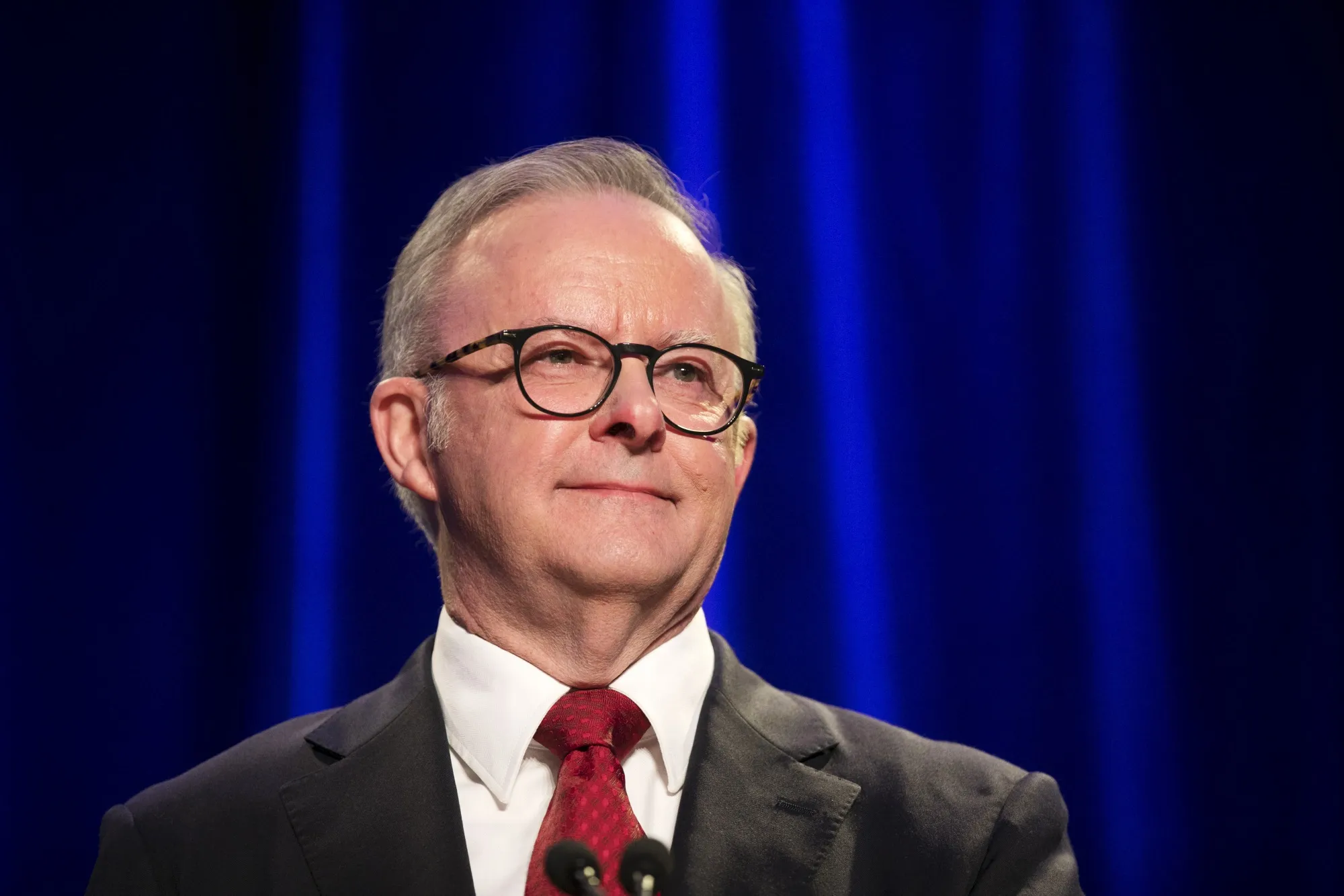
Supporters of One Nation say Hanson is speaking openly about concerns many Australians already feel privately. Rising living costs, housing pressure, electricity prices, inflation, and economic uncertainty have all intensified public frustration over the past several years.
At the same time, critics accuse Hanson of using economic anxiety to inflame political division and build support through fear-based rhetoric. Labor supporters argue the government is attempting to modernize the economy while balancing climate commitments, social spending, and long-term infrastructure investment.
But politically, the timing of Hanson’s comments may be extremely significant. Across Australia, anti-establishment frustration appears to be growing steadily as more voters lose confidence in traditional major parties. That trend has already been visible in polling surrounding immigration, energy prices, housing affordability, and cost-of-living pressures.
One Nation has increasingly positioned itself as the political voice of Australians who feel ignored by what many critics describe as the “Canberra bubble.” Hanson’s strategy appears focused on convincing voters that both Labor and sections of the Coalition have become disconnected from everyday economic realities.
Western Australia may become one of the most important battlegrounds in that strategy moving forward. The state’s economy is deeply tied to industries currently sitting at the center of national political debates, including mining, energy exports, manufacturing, infrastructure development, and resource investment.
Because of that, arguments surrounding economic security and future prosperity often carry enormous political weight in WA communities. Hanson is now attempting to turn those concerns into broader support for One Nation itself.
During her remarks, Hanson warned that Australia risks damaging the very industries that helped build national prosperity over decades. She argued that weakening resource sectors or increasing uncertainty for investors could eventually threaten jobs, regional communities, and long-term economic growth nationwide.

Her criticism also reflects a wider political shift happening globally. Around the world, populist and anti-establishment movements are gaining support by arguing traditional governments have become too disconnected from working-class voters, national industries, and economic self-interest.
That broader international trend is increasingly influencing Australian politics as well. Voters frustrated by inflation, rising bills, immigration pressures, and declining affordability are becoming more willing to support parties operating outside traditional political structures.
Critics, however, argue Hanson oversimplifies highly complex economic challenges. They claim Australia’s economy faces global pressures affecting nearly every developed country, including energy transition costs, international instability, inflation shocks, and supply chain disruptions.
Still, Hanson’s message is clearly finding traction among sections of the electorate increasingly worried about economic security and national direction. Her warnings about future prosperity are resonating especially strongly with voters who feel financially worse off than they did several years ago.
Political insiders are now watching Western Australia closely because dissatisfaction in the state could play an increasingly important role in future federal elections. If One Nation continues building support in WA, it could further fragment Australia’s already volatile political landscape.
The debate now extends far beyond one speech or one political figure. It touches deeper national questions about Australia’s economic future, industrial identity, energy policy, cost-of-living pressure, and whether Canberra truly understands the frustrations building across many parts of the country.
And as anger over affordability and economic insecurity continues rising, more Australians are beginning to ask whether the political establishment still reflects the priorities of ordinary voters.
Whether people agree with Hanson or not, one thing is becoming increasingly difficult for Canberra to ignore:
The political frustration building across Western Australia is very real — and it may only be getting started.






