What began as a simple conversation inside a community support center quickly revealed something far deeper — a raw, emotional glimpse into how lives shattered by addiction, mental health struggles, and isolation are slowly being rebuilt, one careful step at a time.
The exchange started with an almost casual question: “How’s life now?” But the answer carried the weight of someone who had survived chaos.
“It’s totally different,” the former service user admitted. “I’ve got such a good friendship group now. I’m working. I’m part of a community.”
For someone who once depended on support services just to get through the day, those words were more than progress — they were proof that recovery is possible, even after years of struggle.
Yet what made the moment powerful was the honesty that followed.
“I’m still getting it wrong sometimes,” they confessed.
And instead of judgment, the response was immediate compassion: “We all get it wrong.”
That simple exchange captured the real philosophy behind the project — not perfection, but persistence.
The conversation unfolded inside a newly developed support space connected to a community initiative focused on helping vulnerable people rebuild their lives. But this wasn’t being described as just another housing project. To those involved, it represented something much bigger.
“As much as this is physically a home built on bricks and mortar,” one speaker reflected, “this is the start of someone taking a new journey in life.”
The emotional weight behind those words was impossible to ignore. For people facing homelessness, addiction, trauma, or severe mental health issues, stable housing can mean the difference between survival and collapse. But the project’s creators insist that walls alone are not enough.
“This is the building of hope for people that need a roof,” they said.
Inside the facility, visitors were shown private counseling rooms carefully designed to make vulnerable people feel safe enough to open up about the darkest moments of their lives. The soundproofing, the secluded layout, the calm atmosphere — every detail mattered.
“It’s perfect,” one staff member said while touring the counseling space. “Quite private.”
Privacy is critical because many callers arriving through the organization’s telephone helpline are battling overwhelming emotional and psychological burdens. According to staff, mental health issues are now one of the most common problems people bring forward.
“There’s almost always multiple issues happening at once,” one worker explained.

Substance abuse, particularly recreational drug use spiraling out of control, continues to be one of the biggest warning signs. But behind addiction often sits something even more painful: loneliness, trauma, anxiety, or a life that quietly fell apart while nobody noticed.
And that is where the organization’s “wraparound support” model appears to be changing lives. Instead of offering temporary fixes, the project focuses on rebuilding confidence, connection, and purpose simultaneously.
The former service user described the impact bluntly: “Petro’s given me confidence again.”
That confidence now stretches beyond simply staying sober or finding shelter. It means becoming part of a friendship group, finding work, and rediscovering identity after years of instability.
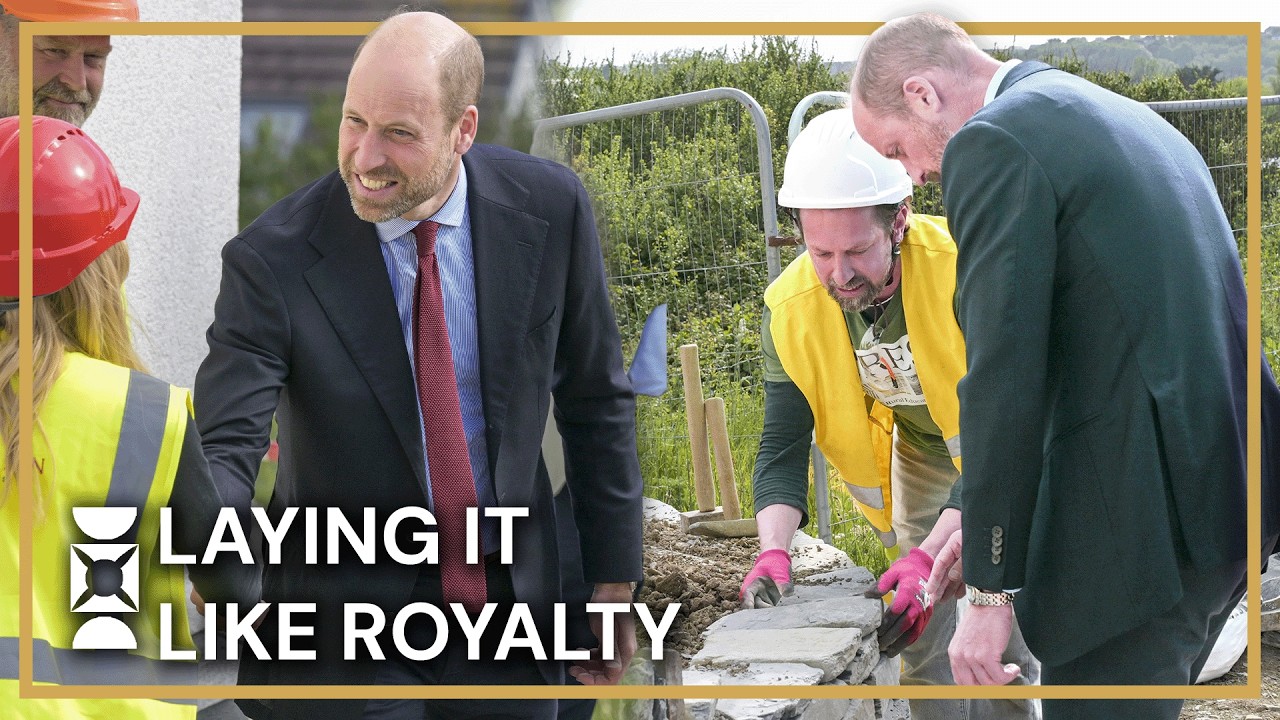
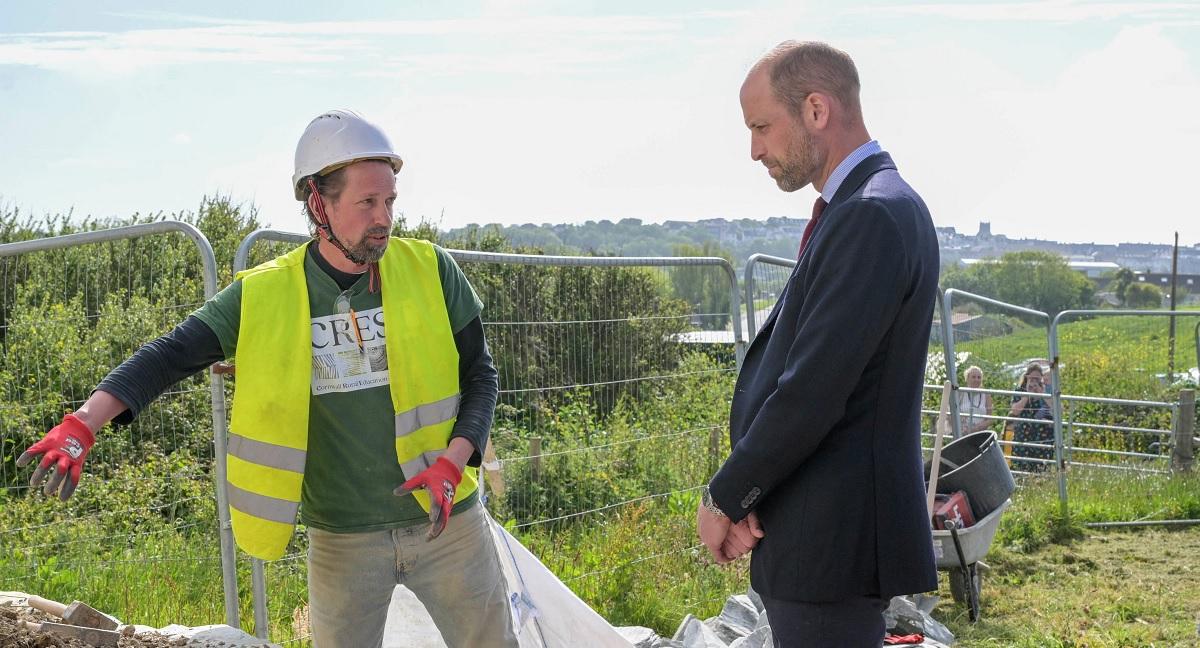
As the tour continued, builders demonstrated the painstaking work involved in constructing sections of the site stone by stone. The process was described as “slow” and “meticulous,” requiring every piece to fit tightly together.
The symbolism was almost impossible to miss.
Recovery itself works the same way.
Every small decision, every counseling session, every supportive conversation becomes another stone carefully placed into a stronger foundation. And just like construction, the higher you climb, the more precision matters.
The project may not promise instant transformation. No miracle cures. No overnight success stories.
But what it does offer is something many people lose long before they ask for help: the belief that life can still be rebuilt.
And in a world where mental health crises, addiction, and social isolation are rising faster than ever, that belief may be one of the most powerful things anyone can give.






