Historic Defence Forum Thrown Into Uncertainty as Canada–U.S. Tensions Deepen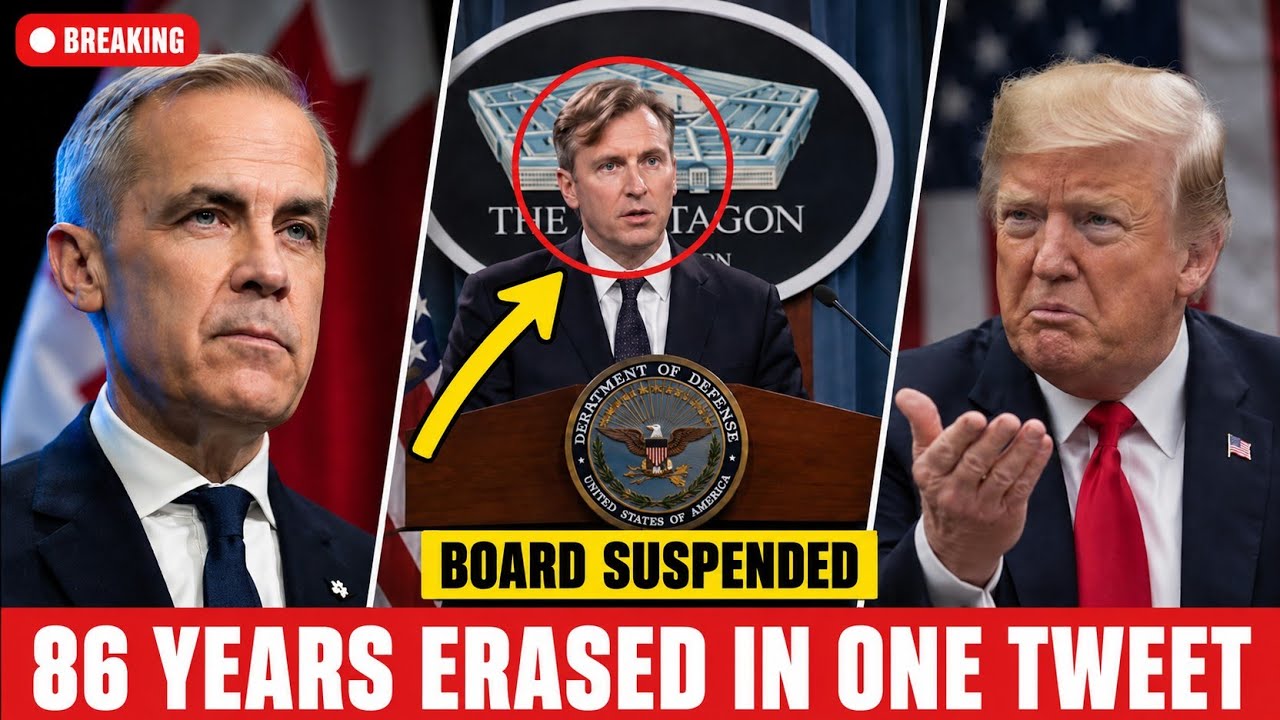
Suspension of a long-standing bilateral defence mechanism raises fresh questions about sovereignty, alliance management and the future direction of North American security cooperation
The decision by the administration of Donald Trump to suspend American participation in the Permanent Joint Board on Defense has reignited debate over the future of Canada–United States relations, placing renewed attention on one of the oldest institutions underpinning continental security cooperation.
Established in August 1940 by Franklin D. Roosevelt and William Lyon Mackenzie King during the Second World War, the Permanent Joint Board on Defense was created to facilitate high-level consultation between Canadian and American civilian and military officials. For decades, it served as a symbol of strategic trust between the two neighbours, surviving periods of geopolitical upheaval that reshaped the international order.
The announcement that the U.S. Department of Defense would pause its involvement in the forum therefore carries significance beyond the mechanics of defence planning. It marks a rare disruption to a bilateral structure that has operated through successive governments in both countries and through numerous international crises.
For many observers, the move represents a notable departure from historical precedent. Despite major disagreements over foreign policy, trade and military operations throughout the twentieth and twenty-first centuries, previous administrations in Washington continued to engage with the board as a cornerstone of continental defence cooperation.
The Pentagon has framed the decision as part of a reassessment of the forum’s effectiveness and has linked the review to concerns about Canada’s defence commitments. U.S. officials have argued that a gap remains between allied pledges and the practical capabilities required to meet evolving security challenges.
That position, however, has been contested in Ottawa. Prime Minister Mark Carney has repeatedly highlighted Canada’s recent efforts to increase defence spending, arguing that the country has accelerated its timetable for reaching NATO benchmarks while committing to substantial long-term investments in military capabilities.
According to Carney’s government, planned expenditures over the coming decade include funding for submarines, aircraft, surveillance systems, drones and Arctic defence infrastructure. Officials have presented these commitments as evidence that Canada is assuming a larger share of responsibility for its own security and for collective defence obligations.
The political context, however, extends beyond military spending targets. Attention has increasingly focused on remarks delivered by Carney at the World Economic Forum in Davos earlier this year, where he argued that middle powers face significant risks when negotiating individually with dominant global actors.
Those comments were widely interpreted as a broader reflection on the changing international order and on the challenges facing countries seeking to preserve policy independence amid growing geopolitical competition. While Carney did not directly target Washington, the remarks generated considerable discussion in political circles on both sides of the border.
He subsequently reinforced that message by suggesting that economic arrangements which once benefited Canada could also create vulnerabilities under changing global conditions. Such statements signalled a greater emphasis on strategic diversification and national resilience than has traditionally characterized Canadian policy toward the United States.

Adding to that perception was Carney’s visit to China earlier in the year, the first trip by a Canadian prime minister to Beijing in several years. The visit was viewed by some analysts as part of a broader effort to expand Canada’s international partnerships at a time of growing uncertainty in global affairs.
Supporters of the government’s approach argue that diversification does not imply a rejection of the Canada–U.S. relationship. Instead, they contend that Ottawa is attempting to reduce dependence on any single partner while maintaining constructive ties with allies and major economic powers alike.
Critics in Washington have viewed developments differently. Some American officials have suggested that Canada’s recent diplomatic posture reflects a willingness to challenge established assumptions within the bilateral relationship, particularly regarding security cooperation and economic integration.
Ottawa’s response to the suspension announcement has nevertheless remained measured. Government statements have emphasized Canada’s willingness to engage in dialogue while reiterating its commitment to shared continental security objectives. Ministers have avoided escalating rhetoric, instead stressing continuity in broader defence cooperation.
Former Canadian officials have also warned that reduced coordination through the board could create unnecessary complications for both countries. Given the scale of the shared border and the strategic importance of Arctic approaches, they argue that institutional mechanisms for consultation remain valuable regardless of political disagreements.
Military analysts note that the board has historically contributed to planning and policy coordination rather than direct operational command. As a result, the practical consequences of the suspension may be limited in the immediate term, though the symbolic implications are likely to be far more significant.
Importantly, the decision does not affect the operation of North American Aerospace Defense Command, commonly known as NORAD. The bilateral aerospace defence arrangement continues to function under separate agreements, and personnel assigned to those responsibilities remain in place.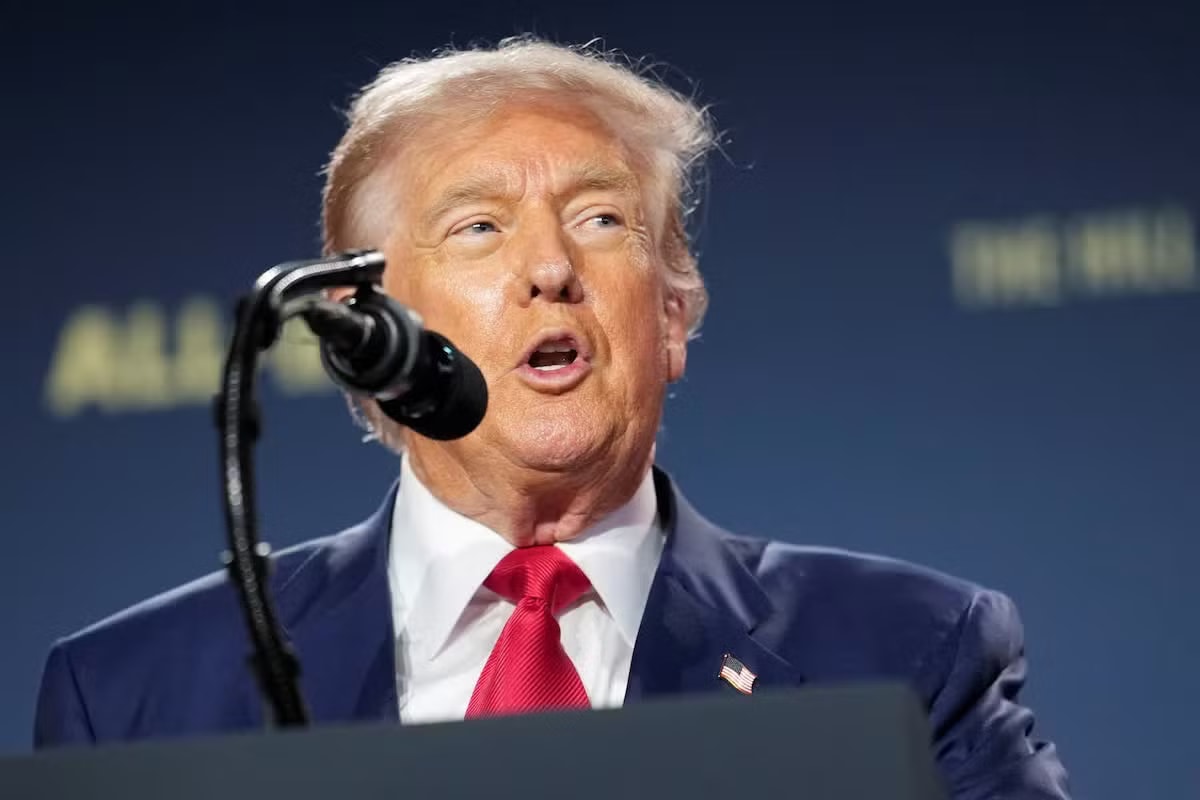
Some analysts have suggested that defence procurement issues may also form part of the broader context. Ongoing discussions surrounding Canada’s planned acquisition of F-35 fighter aircraft have intersected with wider debates about burden sharing, industrial policy and the future shape of North American defence architecture.
Within Canada, criticism of Washington’s decision has extended beyond government circles. Former Conservative leader Aaron O’Toole publicly questioned the rationale behind the move, arguing that Canada has long demonstrated its commitment to shared security objectives and democratic values.
Such reactions underscore the extent to which concerns over the suspension transcend partisan divisions. While political parties differ on specific defence policies, there appears to be broad agreement that stable institutional cooperation with the United States remains an important national interest.
At the same time, many observers believe the episode reflects a larger transformation underway in Canada–U.S. relations. Long-standing assumptions about economic integration, defence coordination and diplomatic alignment are increasingly being reassessed as both countries navigate shifting global realities.
Whether the suspension ultimately proves temporary or signals a deeper restructuring of bilateral ties remains unclear. What is evident is that the announcement has become a focal point for wider debates about sovereignty, alliance management and Canada’s place within an increasingly competitive international system.
As both governments weigh their next steps, the issue continues to attract close attention from policymakers, military planners and international partners. The future of a defence framework that has endured since 1940 may now depend on how Ottawa and Washington choose to manage a relationship facing one of its most consequential tests in decades.






