A Mythic Confrontation in the Oval Office: Obama’s Composed Mastery Over Trump’s Provocation
WASHINGTON — In the annals of American political lore, few moments capture the raw clash of temperaments quite like the imagined private exchange between President Barack Obama and President-elect Donald J. Trump during their November 2016 meeting in the Oval Office. Though the public record describes a cordial 90-minute discussion focused on transition matters, foreign policy, and domestic priorities — with both men emerging to praise the encounter as “excellent” and productive — a persistent viral narrative has painted a far more dramatic picture. This fictionalized account, circulating widely in recent years through narrated videos and social media, portrays a tense showdown where Mr. Trump revives the debunked “birther” conspiracy, only to be deftly outmaneuvered by Mr. Obama’s unflinching calm.
The story, which has captivated millions online, begins with the heavy air of anticipation in the White House on Nov. 10, 2016. Mr. Trump, fresh from his electoral triumph, arrives for what was intended as a brief courtesy call but extends far beyond expectations. In this embellished retelling, the meeting quickly veers from protocol. Mr. Trump, according to the tale, leans forward with a familiar smirk and resurrects the false claim that Mr. Obama was not born in the United States — the very rumor he had amplified for years to question the legitimacy of the nation’s first Black president.

The room, the narrative insists, freezes. Aides along the walls avert their eyes as the president-elect presses the point, framing it as echoes of “what people are saying.” But Mr. Obama, ever the picture of equanimity, reportedly responds not with outrage but with measured poise. He slides a copy of his long-released Hawaiian birth certificate across the Resolute Desk, remarking lightly, “There it is again. You can check it as many times as you need to.” The line, in this version, lands with precision, exposing the futility of the provocation without raising a voice.
As the story escalates, Mr. Obama turns the tables. He invokes Mr. Trump’s past controversial remarks about his daughter Ivanka — the infamous quip from years earlier suggesting that, were she not his child, he might date her. “Before you question my background,” Mr. Obama is said to have cautioned calmly, “think about the example you’re setting for your own.” The exchange, per this account, leaves Mr. Trump flustered, his confidence cracking as he shifts uncomfortably in the historic chair. Staff members, frozen in place, witness what the narration describes as a masterclass in restraint: Mr. Obama’s quiet authority transforming an attempted humiliation into a lesson on truth, leadership, and accountability.
In this dramatized climax, Mr. Obama rises, buttons his jacket, and delivers a parting reflection: “Power isn’t about proving you’re right. It’s about knowing when to stop proving anything at all.” He exits without fanfare, leaving Mr. Trump alone with the ticking clock and the weight of unspoken doubt. The viral tale concludes with Mr. Obama pausing outside to gaze at the American flag, embodying a quiet sadness for a nation divided, before offering reflective words in a later interview about the strength found in composure over clamor.

Of course, no contemporaneous reports from the meeting — attended only by the two principals — corroborate these specifics. White House aides at the time emphasized unity and cooperation, with Mr. Obama pledging full support for a smooth transition and Mr. Trump expressing “great respect” and a desire for future counsel. Yet the fictional narrative endures, amplified by algorithmic currents and partisan echoes, as a modern parable of contrasting styles: one rooted in deliberate restraint, the other in bold confrontation.
In an era when political discourse often devolves into spectacle, this embellished episode resonates precisely because it highlights what many admire in Mr. Obama’s demeanor — a cool intellect that disarms aggression not through volume, but through unyielding clarity. It also underscores the lingering scars of the birther era, a baseless theory that Mr. Trump finally disavowed publicly in September 2016, months before the meeting.
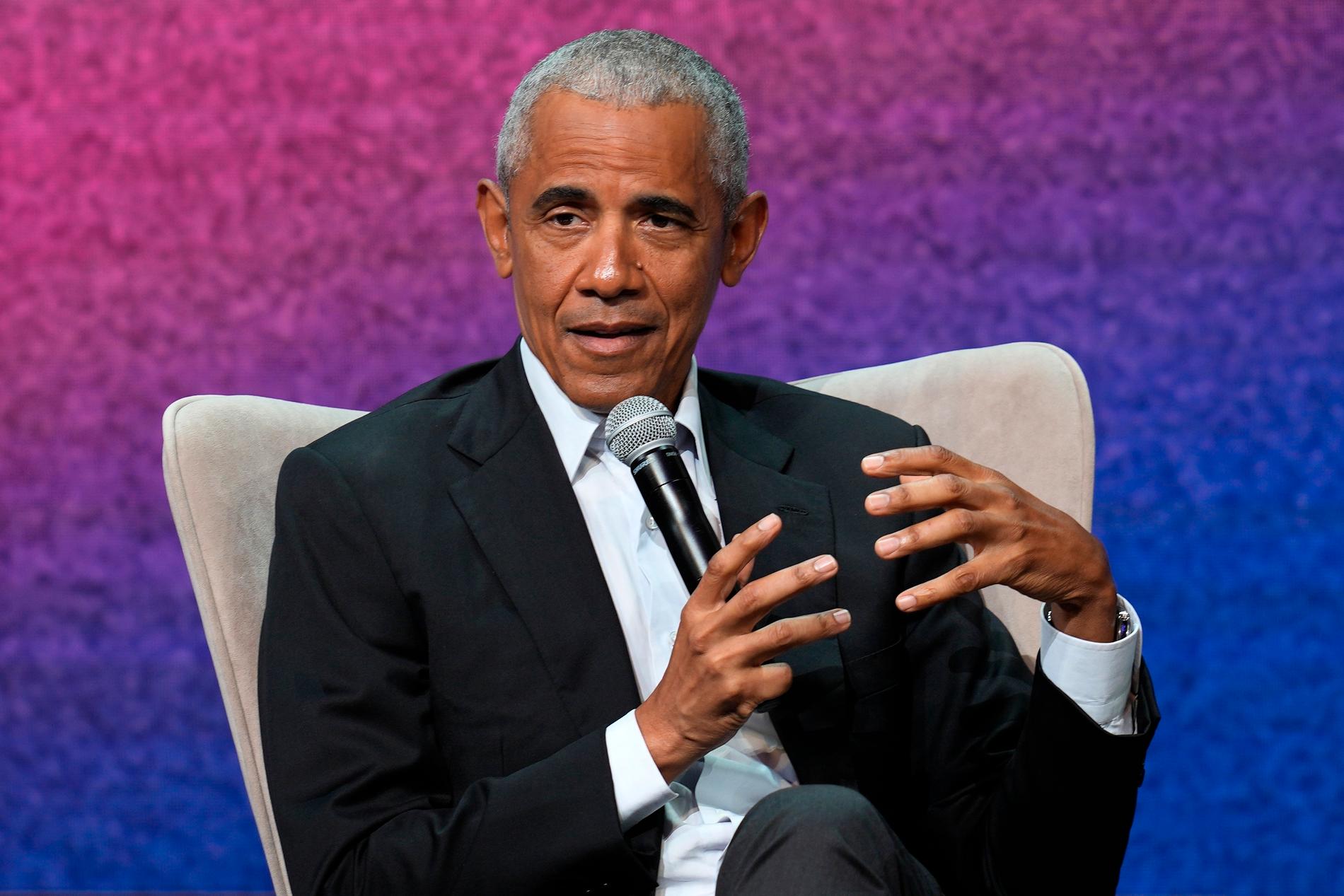
As myths intertwine with memory, this story serves as a reminder of the power of narrative in shaping public perception. Whether fact or fabrication, it endures as a testament to the enduring fascination with these two figures — one who navigated power with grace under pressure, the other who wielded it with unapologetic force. In the end, as the tale suggests, truth, delivered calmly, may indeed resonate longer than any fleeting provocation.






