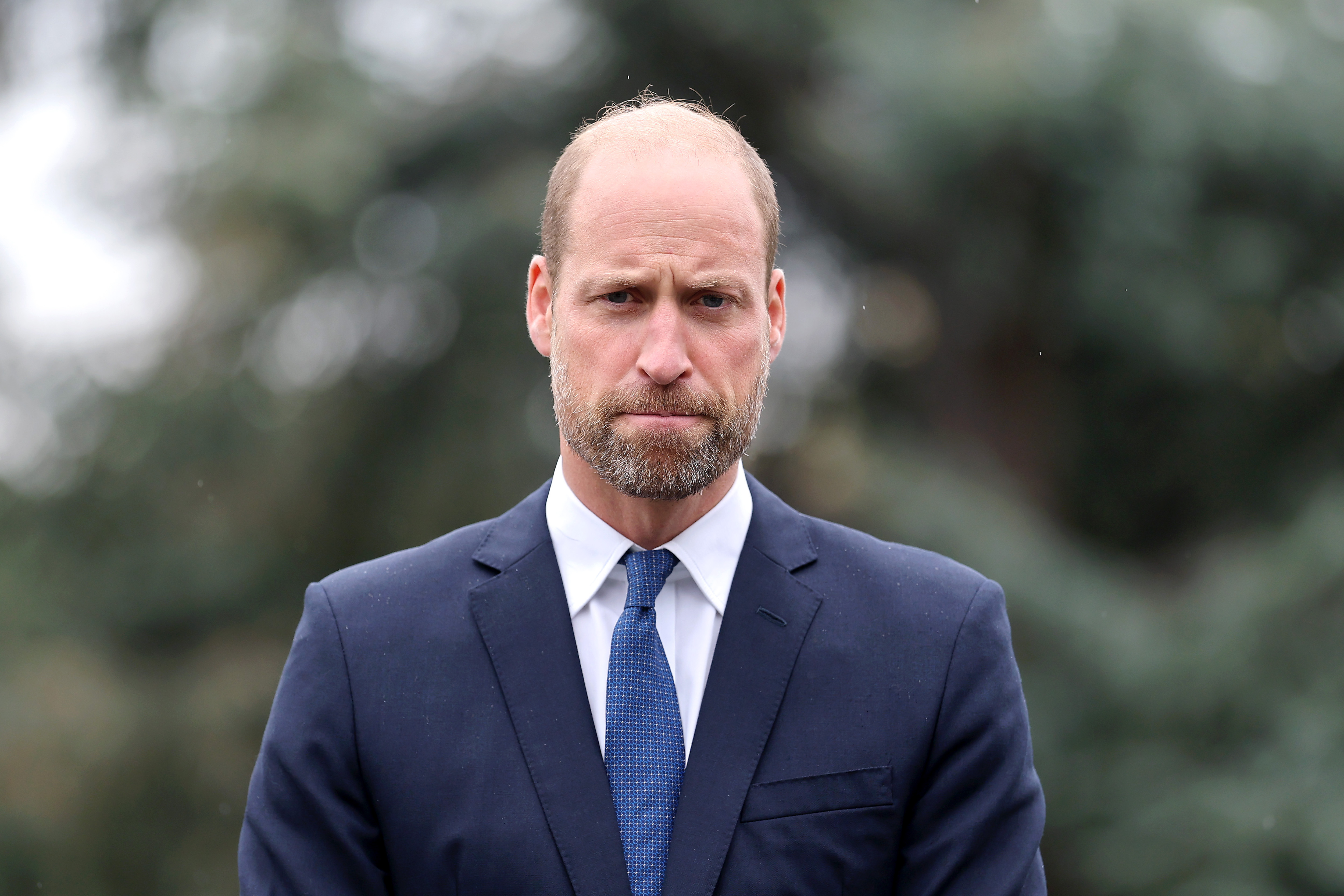
For nearly three decades, the British monarchy tried to move forward without Princess Diana. But every time Prince William kneels beside a child, comforts a grieving stranger, or tears down another layer of royal formality, the ghost of his mother walks back into the palace.
This was never accidental. Diana didn’t simply raise a prince. She quietly engineered a future king built in direct opposition to the cold machinery that once isolated her. And according to royal watchers, that transformation is becoming impossible for Queen Camilla to ignore.
The signs are everywhere now.
In late 2024 during a visit to Cape Town, William admitted the past year had been “dreadful,” before dropping a line that instantly sent royal commentators into overdrive. He said he wanted to do monarchy “with maybe a smaller R in the royal.” Less theater. Less distance. More humanity.
That sentence sounded uncannily familiar because Diana spent most of her adult life fighting for exactly that version of royalty. She wanted connection over ceremony, emotion over protocol. The institution resisted her relentlessly for it. Yet now, the future king is openly turning her philosophy into policy.
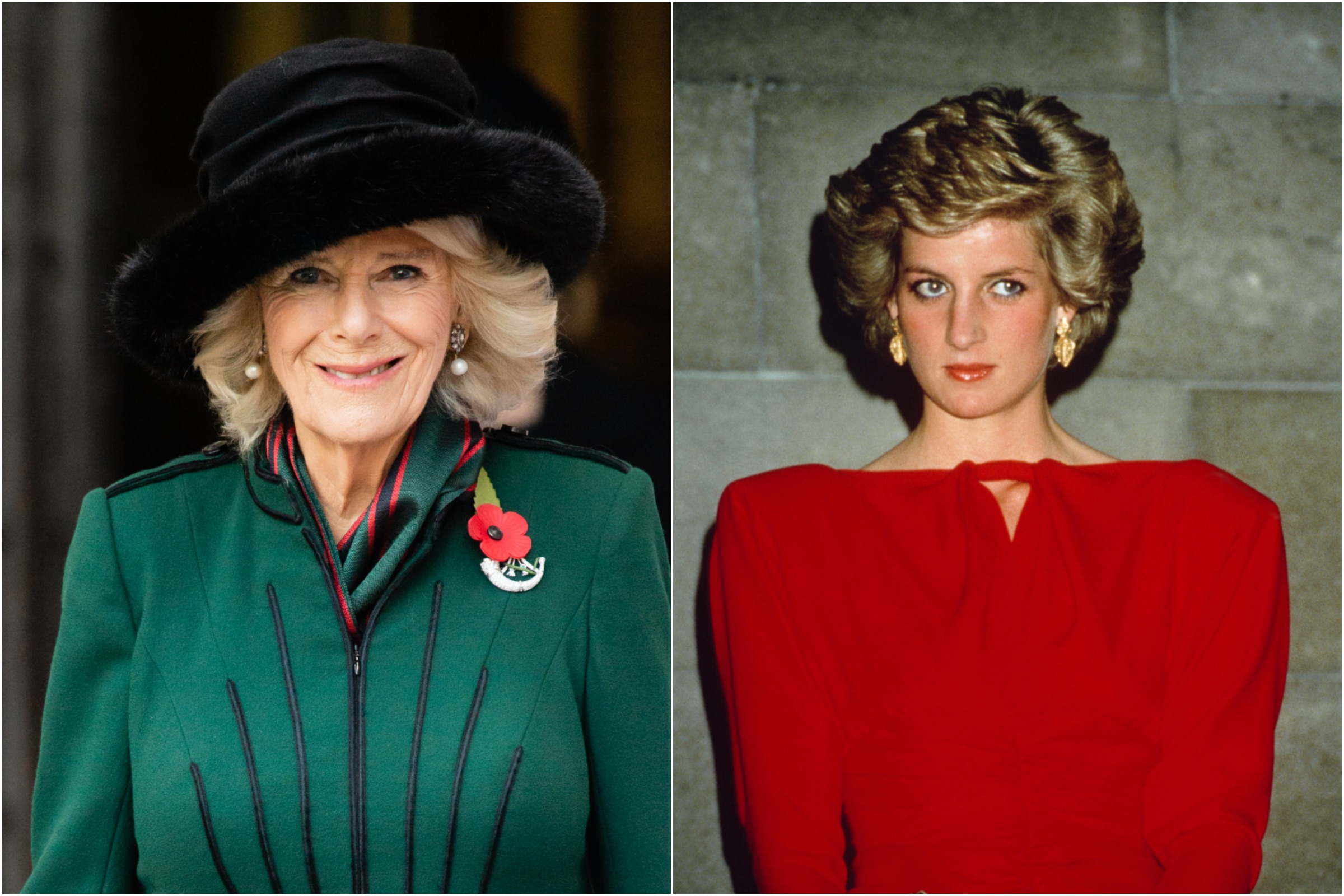
And the roots of it go back to childhood.
In 1983, Diana shattered royal tradition by bringing 9-month-old William on a Commonwealth tour of Australia instead of leaving him behind like previous royal heirs. That decision changed the emotional structure of royal parenting forever. Today William and Catherine, Princess of Wales travel with their own children in the same spirit, keeping family close instead of hidden behind palace walls.
Then came education. Diana rejected the old aristocratic model and sent William into ordinary school life outside palace isolation. She later pushed him toward Eton instead of the harsh Gordonstoun environment favored by generations of royal men. It was one of the first times a royal mother openly redirected the monarchy’s future away from tradition.
But Diana’s real lessons weren’t taught in classrooms.
She took William to McDonald’s, onto the London Underground, into amusement park queues, and into homeless shelters. She wanted him to understand discomfort, awkwardness, and real people’s lives. William later admitted she deliberately exposed him to “the rawness of real life.”
That rawness became instinct.
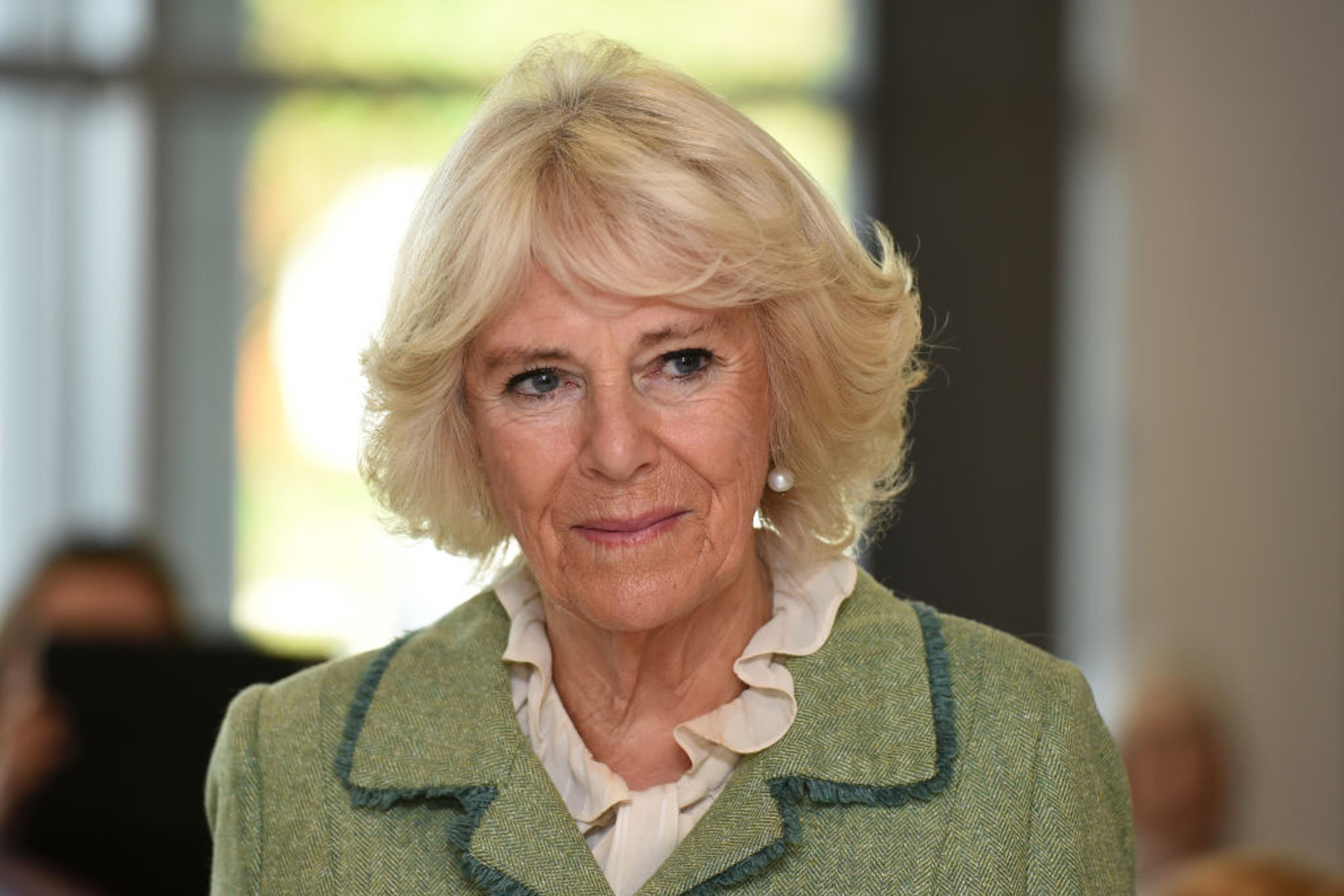
Diana famously refused to wear hats while meeting children because she believed barriers destroyed connection. Today Kate follows the same unwritten rule. Diana constantly knelt to eye level when speaking to children or patients; William and Kate now mirror the exact posture in public engagements. What once looked like small gestures became a total rewrite of royal body language.
Then there were the visits the palace reportedly disliked.
Diana brought William and Prince Harry to homeless shelters as children long before homelessness became a fashionable royal cause. Decades later, William launched Homewards, an ambitious campaign aimed at ending chronic homelessness in Britain. Insiders say it’s less a tribute to Diana than the continuation of her unfinished mission.
The same pattern emerged with mental health. Diana openly discussed depression and bulimia at a time when royal vulnerability was practically forbidden. William later helped launch Heads Together, pushing mental health conversations directly into the mainstream monarchy.
Even Diana’s most rebellious moments seem to echo through him.
When she shook hands with AIDS patients without gloves in 1987, it shocked the world and reportedly irritated senior royals who wanted her involved in “something more pleasant.” Diana ignored them. William inherited that same refusal to retreat from uncomfortable causes.
Her Angola minefield walk in 1997 may have become the defining image of humanitarian royalty. Today William channels that same activism through massive initiatives like the Earthshot Prize, positioning the monarchy as a force for solving crises instead of merely attending ceremonies about them.
And then there’s the deeply personal layer.

William proposed to Kate using Diana’s sapphire engagement ring, carrying it secretly for weeks. His children call their late grandmother “Granny Diana.” Photos of her reportedly remain visible throughout the family home. For a woman who died in 1997, Diana’s presence inside the future monarchy feels startlingly alive.
Perhaps the most revealing story came after Diana lost her HRH title during the divorce from King Charles III. According to royal accounts, 14-year-old William hugged his devastated mother and promised: “Don’t worry, Mummy. I’ll give it back to you one day when I am king.”
People dismissed it as the emotional comfort of a child.
But that child is now the man steadily reshaping the monarchy in Diana’s image.
And that may be the one reality Queen Camilla can never truly escape.






