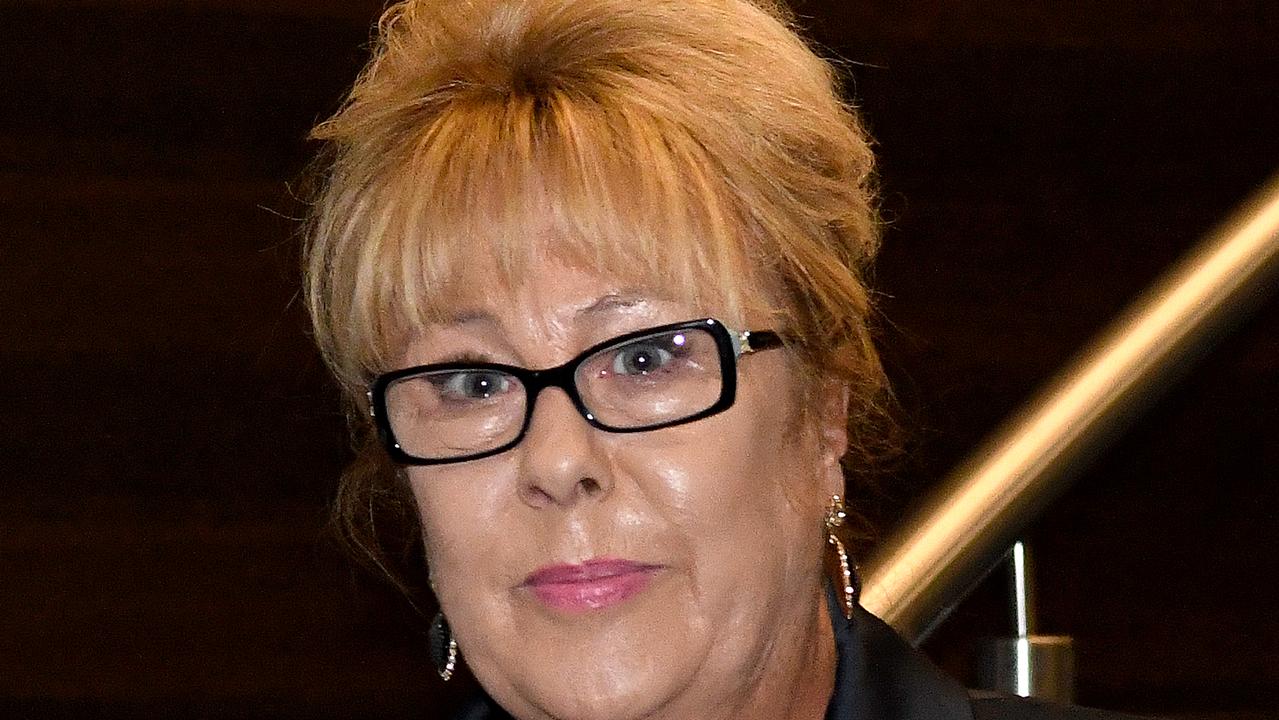
In a significant political shift that has sent ripples through Australia’s conservative movement, two high-profile former Liberals have officially joined Pauline Hanson’s One Nation. Former Liberal senator Hollie Hughes and ex-Liberal Party vice president Teena McQueen have made the surprise switch, marking one of the most notable defections in recent Australian politics.
Pauline Hanson has already hinted that both women could be pre-selected as candidates for upcoming elections, raising expectations of a major realignment on the right.
This development comes at a time when One Nation is enjoying strong momentum. With the party reaching 27 percent in Newspoll earlier in 2026, the addition of Barnaby Joyce, and a by-election victory in Farrer, the arrival of Hughes and McQueen adds further credibility and experience to the growing movement. Supporters are describing it as a turning point, while critics within the Liberal Party see it as evidence of deepening fractures in the centre-right.
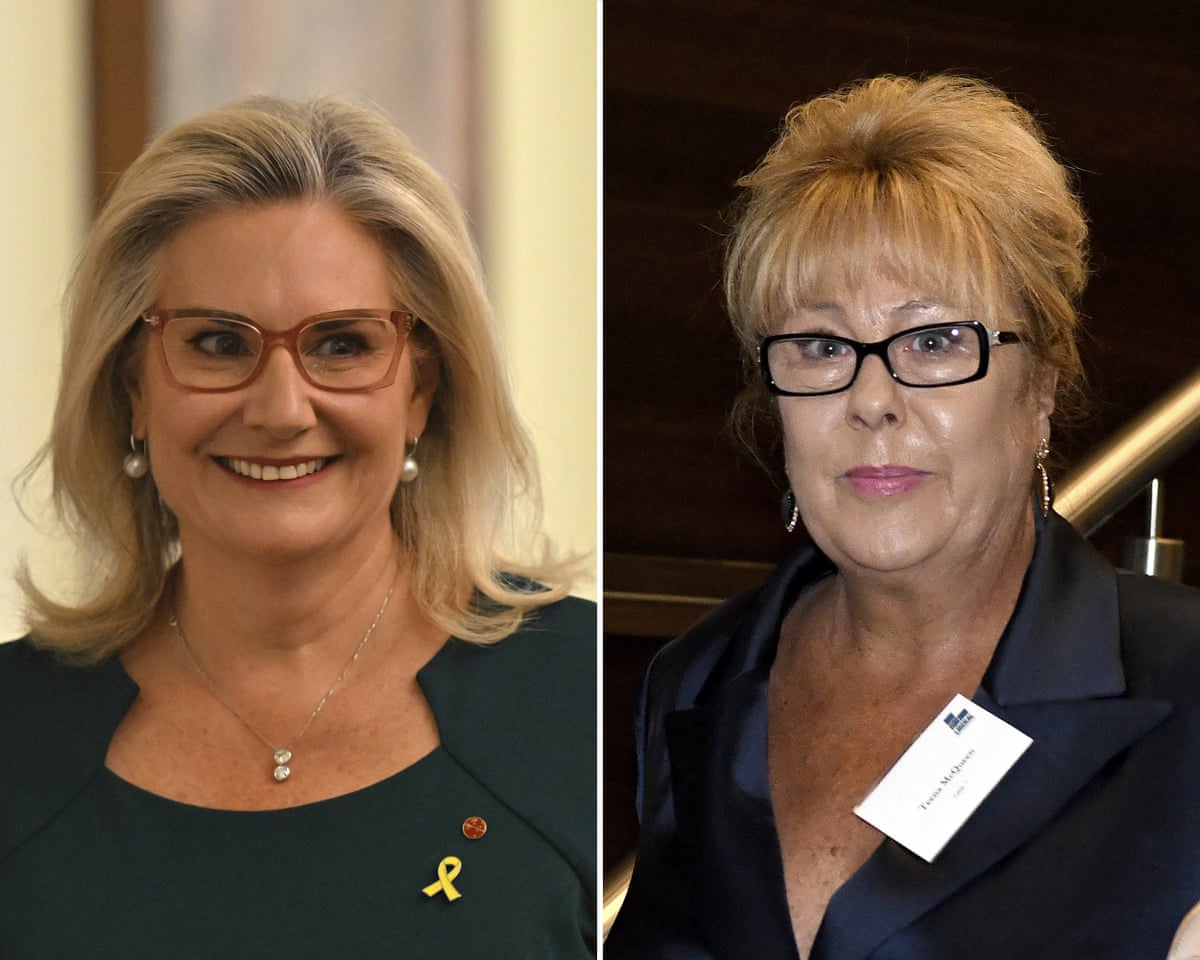
Hollie Hughes is no stranger to the political arena. A former senator known for her sharp communication skills and strong views on free speech, rural issues, and media accountability, she brings valuable parliamentary experience. Teena McQueen, who served as the Liberal Party’s vice president, has long been a behind-the-scenes power player with deep networks across the conservative base. Their decision to leave the Liberals signals dissatisfaction with the direction of the major parties and a belief that One Nation now offers a more authentic platform for their values.
For many observers, this move is not entirely surprising. Over recent years, sections of the Liberal Party have struggled to balance moderate urban voters with the concerns of regional and working-class conservatives. Issues such as energy policy, immigration levels, cost-of-living pressures, and cultural debates have created internal tensions. Hughes and McQueen appear to have concluded that One Nation better represents the bold, unapologetic conservatism they support.
Pauline Hanson welcomed the new members warmly, describing the additions as strengthening One Nation’s ability to deliver real results for everyday Australians. With her leadership spanning from the party’s founding in 1997 through her Senate tenure since 2016, Hanson has cultivated a reputation for consistency on core issues. The rebranding to simply “One Nation” late in 2025 was clearly designed to broaden its appeal, and these high-profile joins suggest that strategy is working.
Why Experienced Liberals Are Looking Elsewhere
The switch highlights a broader trend. Many traditional Liberal voters and members feel the party has drifted too far toward the centre on key economic and cultural questions. Energy prices remain painfully high in parts of the country, housing affordability continues to deteriorate, and immigration settings are still seen by many as unsustainable. One Nation’s clear positions — reducing net migration, fast-tracking resource projects, scrapping net zero timelines, and protecting Australian jobs — are attracting those who want stronger action.
Hughes and McQueen’s move also brings organisational strength. McQueen’s experience in party management and Hughes’ media and parliamentary skills will help One Nation professionalise further while maintaining its grassroots edge. This combination of outsider appeal and insider expertise could prove powerful in the lead-up to the next federal election.

The Impact on Australia’s Political Landscape
This is more than a simple personnel change. It points to a potential realignment in Australian conservatism. For decades, the Coalition has dominated the centre-right space. Now, One Nation is emerging as a serious contender capable of influencing policy and preference flows. The addition of Joyce, Hughes, and McQueen gives the party depth that extends beyond Hanson herself.
Critics argue the defections expose fractures within the conservative movement. Some Liberals warn that moving toward One Nation risks alienating moderate voters in the cities. Others quietly admit that the major parties have failed to address legitimate concerns about rapid demographic change, energy security, and economic sovereignty. When mainstream parties ignore these issues, voters and politicians eventually look for alternatives.
One Nation’s platform offers clear alternatives. Cutting GST on building materials to make housing more affordable, prioritising Australian energy resources including coal, gas, and nuclear, and implementing more controlled immigration are resonating strongly in regional Australia and outer-suburban seats.
Lessons from Past Political Shifts
Australian politics has seen major realignments before. The rise of the Greens on the left changed Labor’s calculations. On the right, One Nation’s current growth could force the Liberals and Nationals to rethink their approach or risk losing significant support. Hanson’s plain-spoken style, once dismissed as fringe, is now attracting seasoned professionals who see value in her long-term consistency.
Supporters of the new members point to Hanson’s resilience. Despite decades of controversy and criticism, she has maintained a loyal base by focusing on issues like welfare reform, foreign ownership of farmland, and cutting bureaucratic red and green tape. The recent polling numbers and by-election success suggest her message is connecting with a wider audience frustrated by cost-of-living struggles and a sense that Australian interests are being sidelined.
Challenges Ahead for One Nation
While the influx of new talent is positive, it also brings challenges. One Nation must integrate these experienced figures without losing its core identity. Balancing Hanson’s direct communication style with the more polished approach of former Liberals will require careful management. The party will also face intensified scrutiny from media and political opponents who will portray the changes as a shift toward extremism.
However, if One Nation can harness this new energy effectively, it could position itself as the genuine voice of working and regional Australia. Policies focused on cheaper energy, stronger borders, infrastructure development, and restoring the Australian Dream of home ownership and secure employment have broad potential appeal.
What This Means for Voters
For ordinary Australians, these developments matter because they could reshape the political choices available at the next election. A stronger One Nation creates pressure on Labor and the Coalition to address neglected issues. It increases the chances of meaningful debate on energy prices, housing supply, migration sustainability, and government overreach.
Many families are tired of rising electricity bills, rents climbing faster than wages, and the feeling that big decisions are made without proper consideration for their daily realities. The arrival of Hughes and McQueen may help translate One Nation’s polling strength into tangible parliamentary influence.
A New Chapter for Australian Conservatism
This moment represents more than individual career moves. It reflects deeper dissatisfaction with the current political offerings. Australians want practical solutions, not endless inquiries and virtue signalling. They want leaders who prioritise affordable energy, secure communities, and economic opportunity grounded in the nation’s natural strengths.
One Nation’s growing momentum, now reinforced by high-profile Liberals, suggests that a significant portion of the electorate is ready for a different direction. Whether this translates into electoral success will depend on how effectively the party presents its vision and addresses voter concerns in the months ahead.
The political landscape is shifting. What began as a protest movement in the late 1990s has evolved into a more experienced and potentially influential force in 2026. Pauline Hanson’s ability to attract talent like Hollie Hughes, Teena McQueen, and Barnaby Joyce demonstrates that her core messages continue to find traction.
.jpg/250px-Sharon_Keogan,_Jan_2025_-_54311360697_(cropped).jpg)
FAQ: One Nation’s Latest High-Profile Joins
Why did Hollie Hughes and Teena McQueen join One Nation? Both have cited frustration with the Liberal Party’s direction and a belief that One Nation better represents their views on key issues like energy, immigration, and free speech.
Will this strengthen One Nation electorally? It brings parliamentary experience, organisational skills, and broader networks, which could help the party convert polling numbers into seats.
How has Pauline Hanson responded? She has welcomed the moves and indicated both could be pre-selected for upcoming elections, signalling confidence in expanding the party’s talent pool.
What does this mean for the Liberal Party? It highlights internal divisions and the risk of losing conservative voters and members to more assertive alternatives.
Can One Nation become a major force in Australian politics? With 27% in recent polling and high-profile additions, it is already influencing the national conversation and may hold balance of power potential after the next election.
Australia’s political future is becoming more dynamic and less predictable. The decision by Hughes and McQueen to join One Nation adds another layer to the ongoing debate about the country’s direction on energy, borders, housing, and national identity.
Do you see these defections as a positive development for Australian politics or a sign of further fragmentation? What issues do you believe are driving voters and politicians toward One Nation? Share your thoughts in the comments below. For more in-depth coverage of shifting political alliances, policy analysis, and what it means for everyday Australians, subscribe for regular updates.






