National announces targeted fuel cost support as cost-of-living pressures remain in focus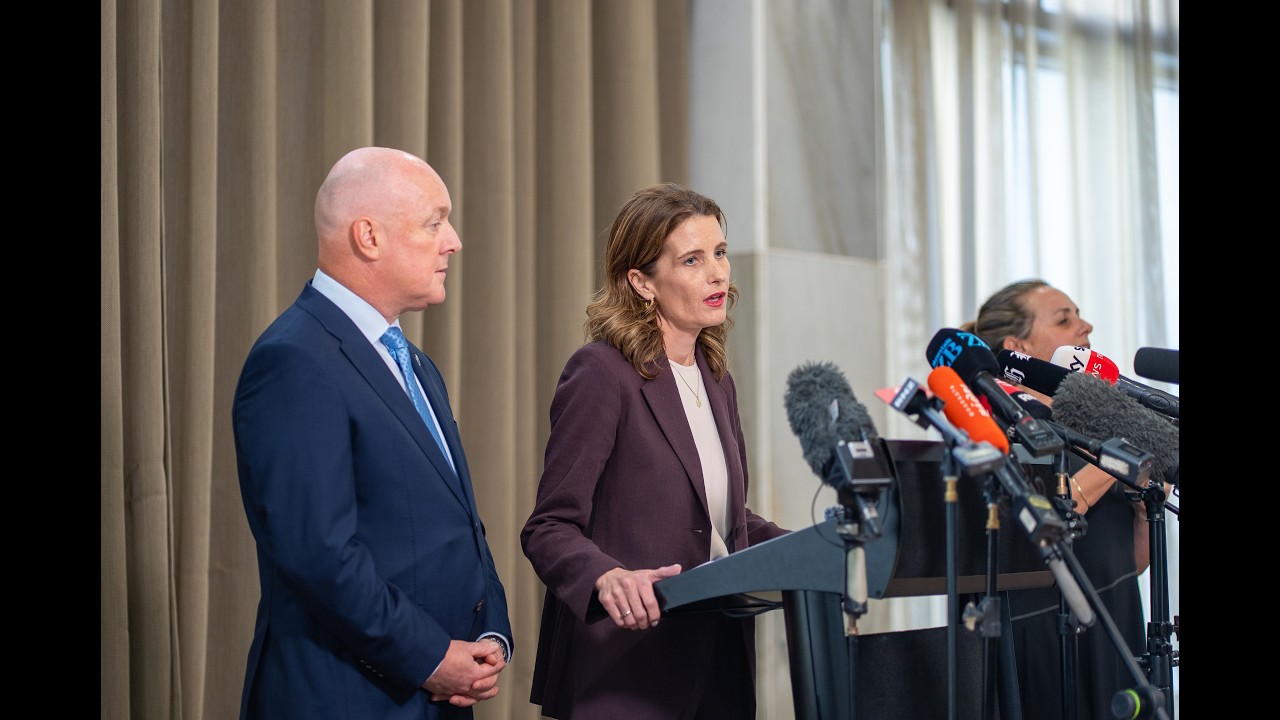
The National-led Government has announced a targeted fuel cost support proposal aimed at addressing ongoing concerns about transport expenses faced by households and businesses. The announcement comes as fuel prices and broader cost-of-living pressures continue to feature prominently in public discussion. Government ministers say the measure is intended to provide assistance to those most affected by rising transport costs while maintaining a focus on fiscal responsibility. The proposal has immediately attracted attention from political parties, industry groups, and economic commentators, many of whom are examining how the initiative would operate and who would be eligible to receive support.
According to ministers, the policy is designed to target assistance rather than provide universal relief across the entire population. Government representatives argue that a more focused approach allows resources to be directed toward households and sectors experiencing the greatest financial pressure. Officials say further implementation details are expected to be released as policy planning continues.


The announcement arrives against a backdrop of continued concern about household budgets. Transport costs affect a wide range of New Zealanders, including commuters, families in regional areas, and businesses that rely heavily on vehicle fleets. Economic conditions over recent years have contributed to heightened public interest in measures designed to ease financial pressure. Analysts note that fuel-related policies often receive considerable attention because they have visible impacts on everyday expenses and can influence broader economic activity.
Government ministers have argued that targeted assistance represents a balanced response to current challenges. They maintain that broad-based subsidies can be expensive and may not always direct support toward those who need it most. By focusing on specific groups, ministers say the Government can provide meaningful relief while limiting fiscal costs. Supporters of the approach contend that targeted measures are more sustainable over the long term and can be adjusted as economic conditions change.
The Government’s explanation of the proposal has centred on affordability and economic management. Ministers argue that households continue to face pressure from a range of expenses and that transport costs remain an important component of household budgets. They have indicated that the policy is intended to complement broader efforts aimed at supporting economic growth and improving living standards. However, several operational details remain under consideration, including eligibility requirements and administrative arrangements.
Opposition parties have responded with a mixture of criticism and caution. Some opposition MPs argue that the proposal may not go far enough to address the broader cost-of-living challenges facing many households. Others have questioned whether the policy will reach all those who require assistance. Opposition representatives have called for additional information regarding funding arrangements and projected outcomes. They argue that voters should have a clear understanding of how the initiative would be implemented and evaluated.
The debate has spurred discussion among economists and policy experts. Some analysts support targeted approaches because they can reduce fiscal costs compared with universal measures. Others note that eligibility rules can sometimes create complexity and leave certain groups outside support programmes. Experts suggest that the effectiveness of the proposal will depend largely on how eligibility is defined and how efficiently assistance can be delivered. As more details become available, independent analysis is expected to intensify.
Industry organisations have generally welcomed recognition of fuel costs as an economic concern. Representatives from transport, logistics, and regional business sectors say fuel expenses can significantly influence operating costs and consumer prices. Some business groups have expressed interest in understanding whether commercial operators will benefit directly from the initiative or whether support will focus primarily on households. Their feedback highlights the importance of clarity regarding policy scope and implementation.
Questions remain regarding funding and the long-term fiscal impact of the proposal. Government officials have indicated that funding mechanisms are being examined as part of the broader policy process. Fiscal commentators note that targeted programmes can still represent substantial commitments depending on eligibility and duration. As a result, the initiative is likely to remain under scrutiny from economists, opposition parties, and public finance specialists seeking greater detail about projected costs.
Public reaction has been varied. Some voters have welcomed efforts to address transport costs, particularly those living in regions where private vehicle use remains essential. Others have argued that broader structural issues, including housing, wages, and public transport access, also require attention. The diversity of views reflects the complexity of cost-of-living challenges and the range of factors influencing household finances. Public opinion may evolve further as details of the programme become clearer.
Political analysts suggest the announcement may form part of a wider strategy to demonstrate responsiveness to household concerns. Cost-of-living issues remain among the most significant factors shaping public attitudes toward government performance. Measures aimed at easing financial pressure often attract substantial attention because they relate directly to everyday experiences. Analysts note that the political effectiveness of such initiatives frequently depends on whether voters perceive tangible benefits in practice.
The proposal has also prompted discussion about regional impacts. Residents of rural and provincial communities often face higher transport requirements due to longer travel distances and limited alternatives. Supporters argue that targeted assistance could be particularly valuable in these areas. Critics, however, contend that broader investment in transport infrastructure and alternative transport options may also be necessary. The debate therefore extends beyond immediate relief and into longer-term policy considerations.
Economic commentators have noted that fuel-related support measures can influence consumer behaviour and spending patterns. Reduced transport costs may provide households with additional financial flexibility, potentially affecting broader economic activity. However, economists caution that outcomes depend on the scale and duration of any support programme. They also emphasise the importance of evaluating whether targeted assistance achieves its intended objectives without creating unintended consequences.
The Government has indicated that implementation details will be developed through consultation and administrative planning. Officials say practical considerations such as eligibility verification, payment mechanisms, and programme oversight will require careful design. Stakeholders have encouraged transparency throughout the process, arguing that public understanding can improve confidence in the initiative. The success of implementation may ultimately prove as important as the policy itself.
Parliamentary debate on the proposal is expected to continue in the coming weeks. Opposition parties are likely to seek further information regarding costs, eligibility, and expected outcomes. Government ministers, meanwhile, are expected to defend the policy as part of a broader strategy to support households while maintaining fiscal discipline. Such exchanges reflect the normal process of policy scrutiny within New Zealand’s democratic system.
Business groups have indicated that certainty will be important for planning purposes. Companies affected by fuel costs often make operational decisions based on expectations regarding future expenses. As a result, some stakeholders have called for clear timelines regarding implementation. They argue that predictability can help businesses and households make informed financial decisions. Government officials have acknowledged the importance of providing clarity as planning progresses.
Several aspects remain under consideration, including the precise groups that would receive support and the duration of any assistance. Ministers have suggested that further announcements will address these questions. Until then, observers are likely to continue analysing available information and assessing potential impacts. The uncertainty surrounding specific details has contributed to ongoing discussion among political and economic commentators.
For the governing coalition, the proposal represents an opportunity to demonstrate action on an issue that continues to affect many households. Ministers argue that targeted assistance offers a practical response while preserving flexibility for future fiscal decisions. Whether that argument resonates with voters may depend on how effectively the policy is communicated and implemented. Public expectations regarding affordability remain high, ensuring continued attention to the issue.
The announcement has reinforced the central role that cost-of-living concerns continue to play in New Zealand politics. Fuel prices, transport costs, and household budgets remain interconnected issues influencing public debate. Political parties across the spectrum recognise the significance of these concerns, even when they differ on proposed solutions. As a result, discussions about affordability are likely to remain prominent throughout the political year.
Ultimately, the effectiveness of the targeted fuel cost support proposal will be judged by its practical impact on households and businesses. While the Government argues that the initiative offers focused assistance where it is most needed, critics continue to seek further detail regarding implementation and funding. As additional information emerges, stakeholders will be able to assess whether the programme meets its objectives and contributes meaningfully to easing financial pressures faced by New Zealanders.






