THIS BACKFIRED: Canada’s Potato Move SHAKES U.S. Fast-Food Chains Overnight!
OTTAWA — A long-standing agricultural partnership that quietly sustained America’s fast-food industry is showing signs of strain.
Canada, the dominant supplier of frozen French fries to the United States, is recalibrating its export strategy amid escalating trade tensions.
What began as a localized phytosanitary dispute over potato warts in Prince Edward Island has become entangled in broader tariff threats, prompting Canadian processors to seek more stable markets elsewhere.
This single commodity flow underpins menus at McDonald’s, Wendy’s, Burger King and countless other chains across the country.
Few customers realize that the fries they order likely originated from Canadian soil, were processed in Canadian plants, and crossed the border in refrigerated trucks as part of a highly optimized North American supply chain.
A Deeply Integrated Ecosystem
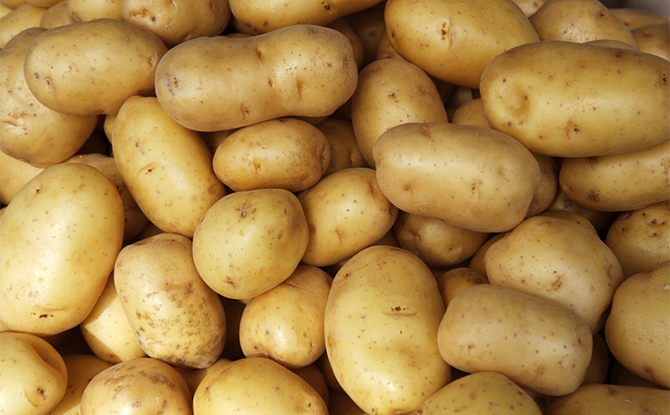
Canada produced approximately 5.8 million metric tons of potatoes in 2024. Nearly 69 percent went into processing, particularly frozen products.
Alberta and Manitoba have emerged as key hubs, hosting major facilities operated by McCain Foods, Simplot and Cavendish Farms.
These companies invested hundreds of millions of dollars in recent years to expand capacity, betting on continued American demand.
Now that bet looks riskier.
President Donald Trump’s proposed 25 percent tariffs on Canadian potato products, including frozen fries, fresh potatoes and seed stock, have introduced profound uncertainty.
Processors report already scaling back contracts for the 2025 season, citing trade instability rather than simple fluctuations in domestic demand.
The relationship has long been symbiotic. The United States imports about $456 million in Canadian potato products annually, representing 85 percent of all U.S. potato imports.
Processed items dominate, with frozen fries alone accounting for significant value.
In return, Canada receives reliable, large-scale demand that supports its efficient production model.
This interdependence extends beyond simple trade statistics. American and Canadian sectors complement each other through specialized varieties, regional strengths and shared processing expertise.
Political Risk Reshapes Strategy
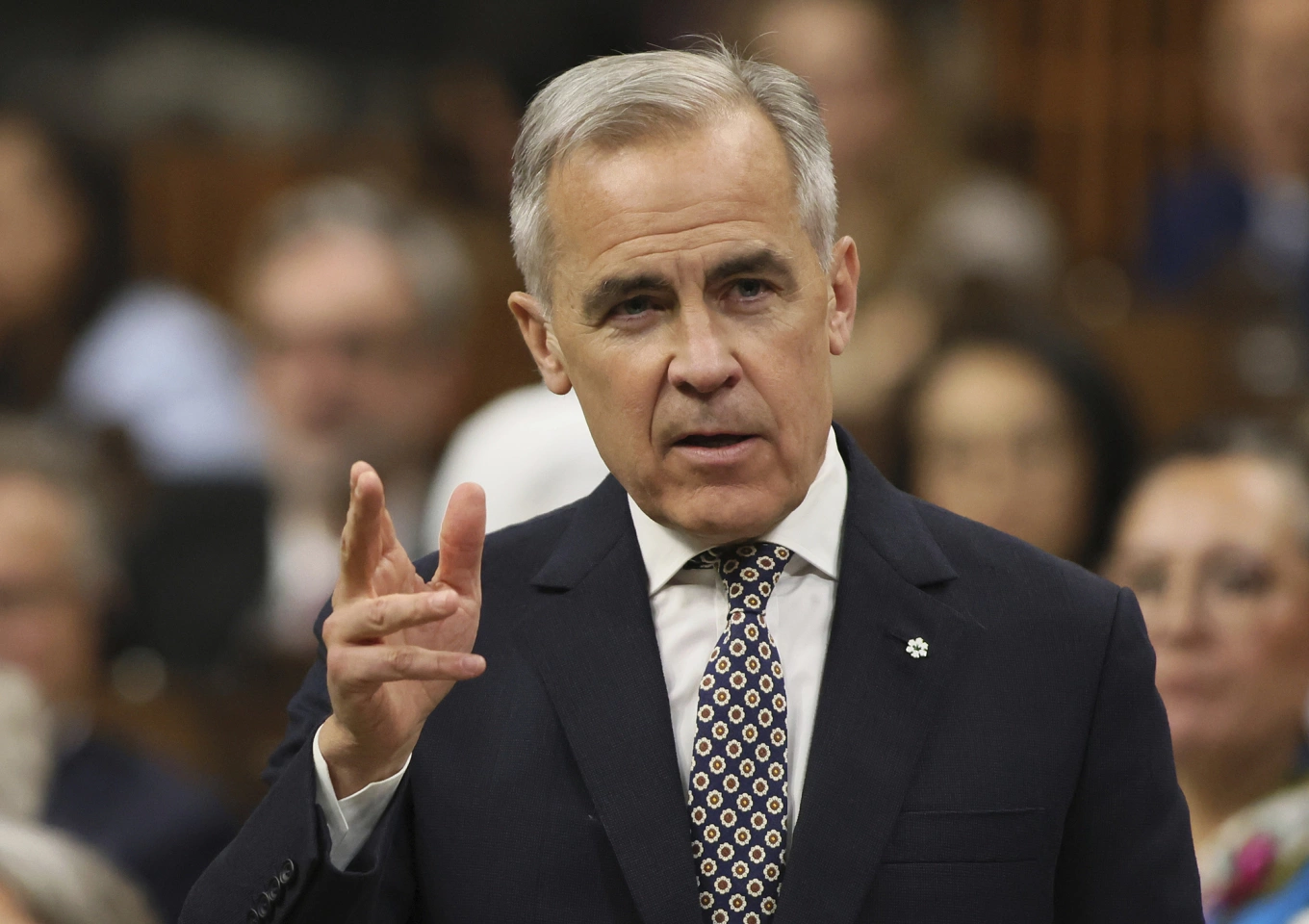
Canadian officials and industry leaders now describe the U.S. market as carrying elevated political risk.
Each new tariff announcement or negotiating twist makes long-term planning more difficult.
In response, processors are strengthening ties with Asian buyers. Japan remains the second-largest customer after the United States, while South Korea, Taiwan and the Philippines show growing appetite as Western-style fast food expands.
Even modest shifts — 5 to 10 percent of Canadian frozen potato volume redirected to Asia — could create noticeable pressure on American supply.
The United States has functioned as a net importer of frozen potato products for five consecutive years.
Alternative suppliers, primarily from the European Union, cannot easily fill a sudden Canadian shortfall.
The Human and Economic Stakes
For Canadian growers, particularly in Prince Edward Island, the situation carries immediate consequences.
The island’s potato wart issue, though harmless to humans, triggered an export ban that disrupted longstanding flows.
Industry representatives express hope that pressure from American buyers and farmers will help resolve the impasse.
Yet in the interim, diversification becomes essential.
Long-term projections show North American frozen potato consumption growing at 1.5 percent annually through 2035.
Demand is not disappearing — it is simply becoming more contested.
Fast-food chains operate on thin margins where even modest cost increases from tariffs or supply disruptions can force difficult choices: higher prices for customers, smaller portions, or menu adjustments.
The fries, long taken for granted as an inexpensive staple, suddenly appear more fragile.

Looking Ahead
Canadian processors insist they remain committed to quality and reliability.
The question is whether the United States will remain their primary partner.
As ships loaded with frozen fries increasingly set course for Tokyo and Seoul instead of American ports, the quiet architecture of North American food trade is shifting.
What was once viewed as a stable alliance now requires careful risk management.
For millions of Americans, the implications may arrive subtly — through slightly higher prices or occasional shortages — but they stem from decisions made far from the drive-thru window.
The humble potato has become an unexpected player in continental trade politics.
Its journey from Canadian field to American tray reveals how interconnected modern food systems truly are, and how quickly political winds can unsettle them.






