Clashes Outside a Texas Detention Center Put Trump’s Immigration Strategy—and Protest Policing—Under Renewed Scrutiny
Tensions over immigration enforcement spilled into the open this week outside a federal detention facility in South Texas, where a peaceful march drew a forceful law-enforcement response that was broadcast live on cable news and ricocheted across social media.
The confrontation unfolded outside the Dilley Immigration Detention Center, a privately run facility that houses families and adults in federal custody. Demonstrators—among them labor organizers, faith leaders, and several Democratic lawmakers—had gathered to protest what they described as aggressive immigration tactics and to call for the release of detainees, including a 5-year-old Ecuadorian child whose case has become a rallying point for critics of the Trump administration.
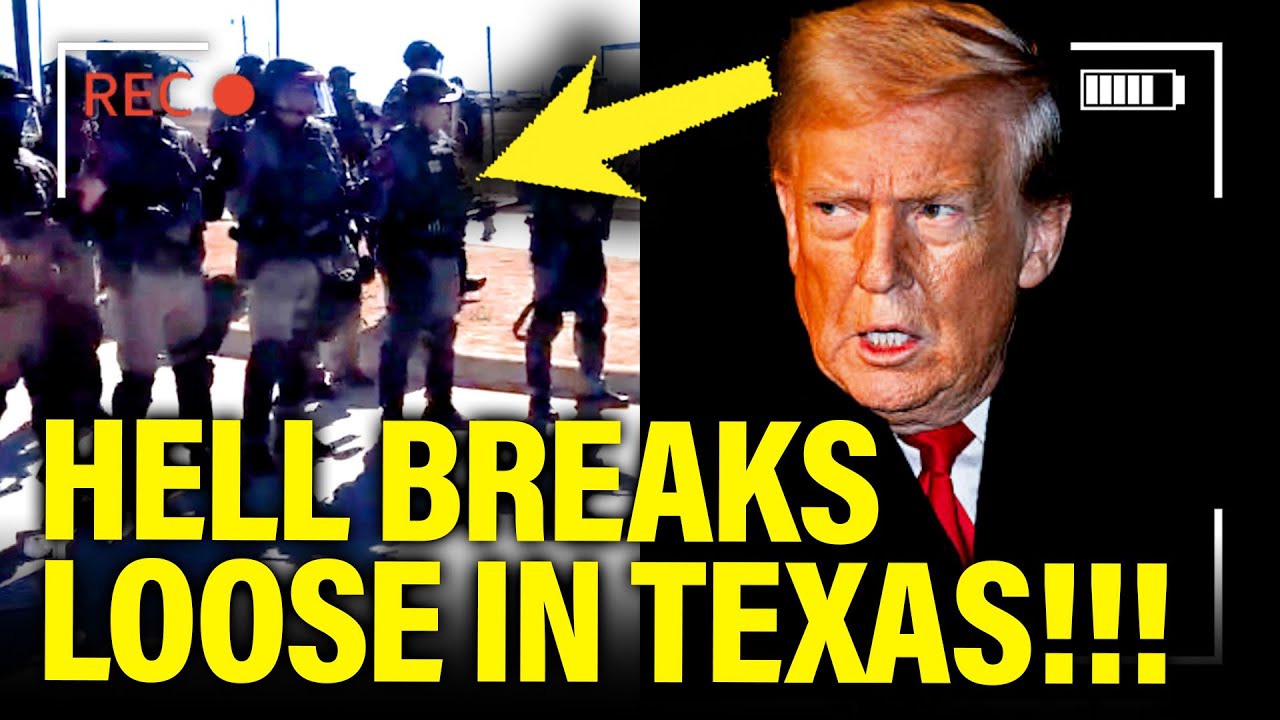
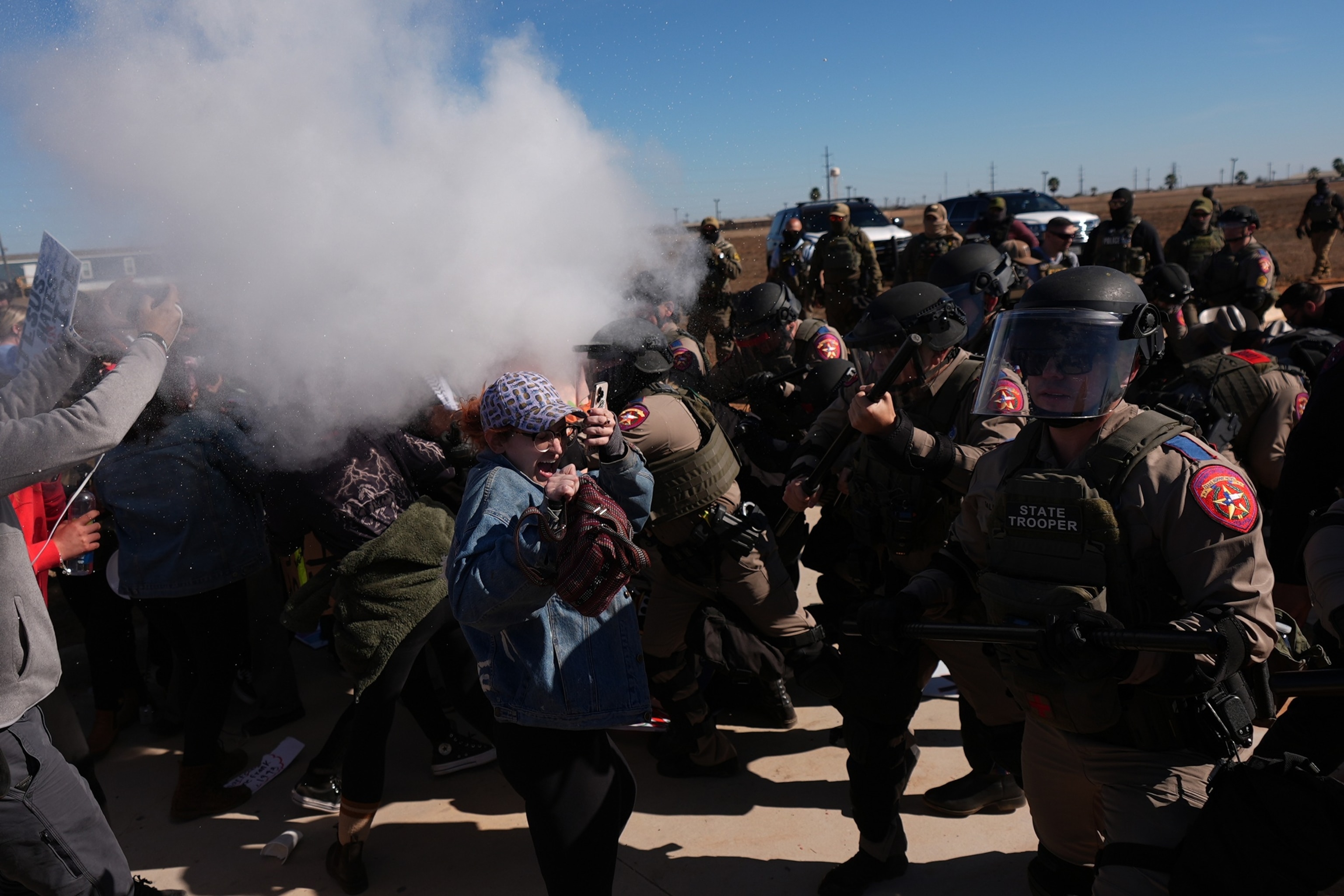
Video aired by CNN and shared widely online showed Texas state troopers in riot gear moving to disperse the crowd, deploying what appeared to be smoke canisters and chemical irritants as journalists documented the scene. Photographers were seen retreating as devices landed near cameras. Several people were briefly detained as the crowd was pushed back.
State and federal officials said officers acted to maintain order after protesters moved into restricted areas. Protest organizers and civil-rights advocates disputed that account, saying the demonstration was peaceful and that the response was disproportionate.
A protest shaped by a single case
Much of the anger centered on the detention of a young child and his father, both Ecuadorian nationals, who were taken into custody during a Minnesota enforcement operation earlier this month and later transferred to Texas. Advocates allege the child was used as “bait” to draw his father into an arrest—an accusation federal authorities deny. The family’s lawyers say the child’s transfer and continued detention raise serious due-process concerns.
The case has galvanized a broad coalition. Representative Joaquín Castro was among the lawmakers who appeared at the Dilley facility this week, joining clergy members and labor leaders. Organizers said the march was intended to remain nonviolent and to draw attention to conditions inside the center.
What the cameras captured
As the protest grew, news crews filmed officers advancing in formation. A CNN correspondent described smoke devices detonating near journalists, prompting them to move. Local outlet News 4 San Antonio also aired footage of chemical agents dispersing the crowd.
Separate video posted by attorneys and advocates showed detainees inside the facility shouting pleas for help as an attorney was escorted from the premises. Federal officials declined to comment on the recordings, citing privacy and security rules.

A broader political backdrop
The clashes come amid heightened national debate over immigration enforcement under President Donald Trump, whose administration has emphasized large-scale operations and cooperation with state authorities. Critics say the approach has blurred lines between federal and local policing and chilled lawful protest.
Minnesota Gov. Tim Walz said the president, in a recent call, compared federal operations in Minneapolis to actions taken abroad—comments Walz described as “jarring” and indicative of an overly militarized mindset. The White House has not released a readout of the call.
Organizing response: “No Kings”
In response to the Texas clashes and similar protests elsewhere, national advocacy groups announced a new round of demonstrations. MoveOn, working alongside Indivisible and the American Civil Liberties Union, said it would organize a nationwide “No Kings” day of action on March 28, with training and local events planned in the interim.
Organizers emphasized that the effort is decentralized and focused on nonviolent protest. “People want to act now,” said Joel Payne, MoveOn’s chief communications officer, in an interview streamed online. The groups urged supporters to sign up as local hosts and pledged to provide safety guidance.
Legal questions ahead
Civil-rights lawyers are examining whether the use of chemical agents against demonstrators and journalists complied with constitutional standards. Courts have generally allowed law enforcement to impose time, place, and manner restrictions on protests, but the use of force against peaceful assemblies—and the press—can raise First Amendment concerns.
Texas officials said an internal review would assess the response. Federal agencies declined to comment on operational details.
What this moment signals
The confrontation at Dilley underscores how immigration enforcement has become inseparable from debates over protest policing and press access. The images—officers advancing on demonstrators, journalists scrambling, detainees shouting from behind walls—have fueled a narrative of escalation that neither side appears eager to de-escalate.
Whether the episode leads to policy changes, court challenges, or simply more demonstrations remains uncertain. What is clear is that immigration enforcement, once largely confined to administrative proceedings, is increasingly playing out in public spaces—under cameras, amid crowds, and at the intersection of federal authority and civil liberties.
As organizers prepare for nationwide protests and officials defend their actions, the questions raised outside a detention center in South Texas are likely to echo far beyond Dilley: how force is used, who bears its costs, and how dissent is policed in an era of heightened immigration conflict.






