# 🚨 Canada SHOCKS Washington — Rejects $20 Billion U.S. Defense Deal and Redraws the Rules 🇨🇦🇺🇸
**Ottawa/Washington, D.C. – January 8, 2026** – In a stunning development that has blindsided the Trump administration, Canada has formally rejected a proposed $20 billion U.S. defense package tied to submarine production, opting instead to prioritize domestic and international partnerships that emphasize supply-chain independence, Arctic sovereignty, and long-term national control. The decision, announced quietly through procurement updates but amplified by leaks and insider statements, marks a pivotal shift in bilateral relations and raises profound questions about the future of North American defense cooperation.
For generations, Canada has been Washington’s most steadfast ally, reliably aligning on everything from NORAD continental defense to NATO commitments. U.S. officials had quietly pushed for a significant portion of Canada’s ambitious Canadian Patrol Submarine Project (CPSP)—a C$60-84 billion program to acquire up to 12 new conventionally powered submarines—to flow to American shipyards, particularly in states like Connecticut and Virginia. The proposed $20 billion slice would have bolstered U.S. submarine industrial base amid Virginia-class production strains for the AUKUS pact and domestic needs. Sources in Washington describe the pitch as a “win-win”: jobs for American workers, deeper interoperability, and reinforced alliance ties.
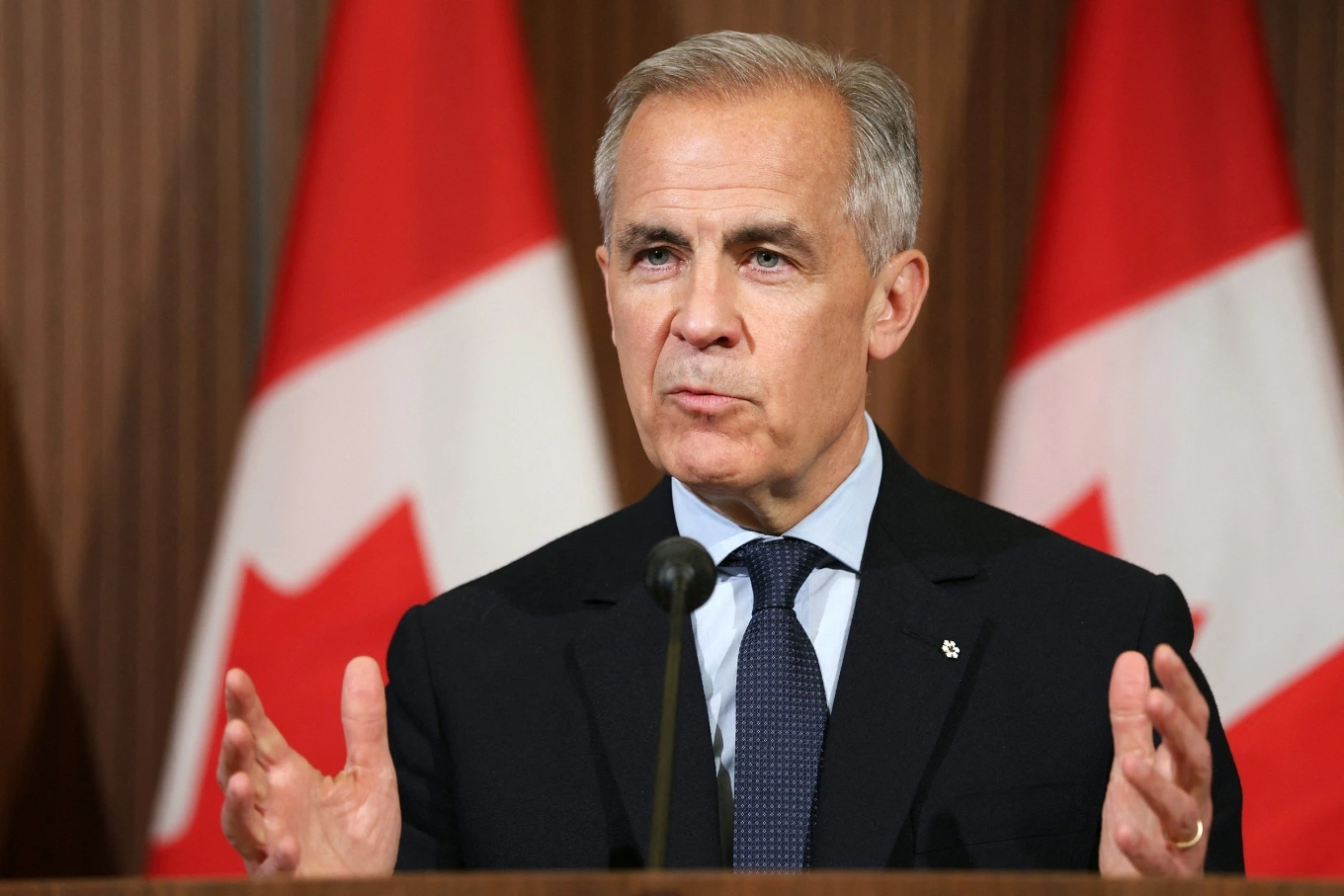
But Ottawa said no. Prime Minister Mark Carney’s government, navigating heightened trade tensions and tariff threats from President Trump, has doubled down on a strategy of diversification. In late 2025, Canada downselected to two non-U.S. bidders: South Korea’s Hanwha Ocean (offering the KSS-III design) and Germany’s ThyssenKrupp Marine Systems (TKMS). Both promise faster delivery timelines, under-ice capabilities critical for Arctic patrols, and substantial Canadian industrial benefits—jobs in Halifax, Vancouver, and across supply chains.
“This isn’t about severing ties with our closest partner,” a senior Canadian defense official told reporters on background. “It’s about resilience. We can’t afford dependencies that could be disrupted by unilateral decisions south of the border.” The concerns are rooted in real anxieties: Arctic security amid melting ice and rising great-power competition from Russia and China; fears of U.S. export controls or production delays impacting Canadian readiness; and a desire to maximize economic returns for taxpayers.
The rejection stems from months of behind-the-scenes friction. Reports from mid-2025 indicate Trump personally lobbied for U.S. involvement, framing it as essential for continental defense. When Ottawa resisted, citing sovereignty and procurement rules favoring open competition, the tone soured. Insiders say U.S. defense contractors, facing backlog pressures, viewed Canadian orders as a lifeline—potentially sustaining skilled labor amid fluctuating demand.
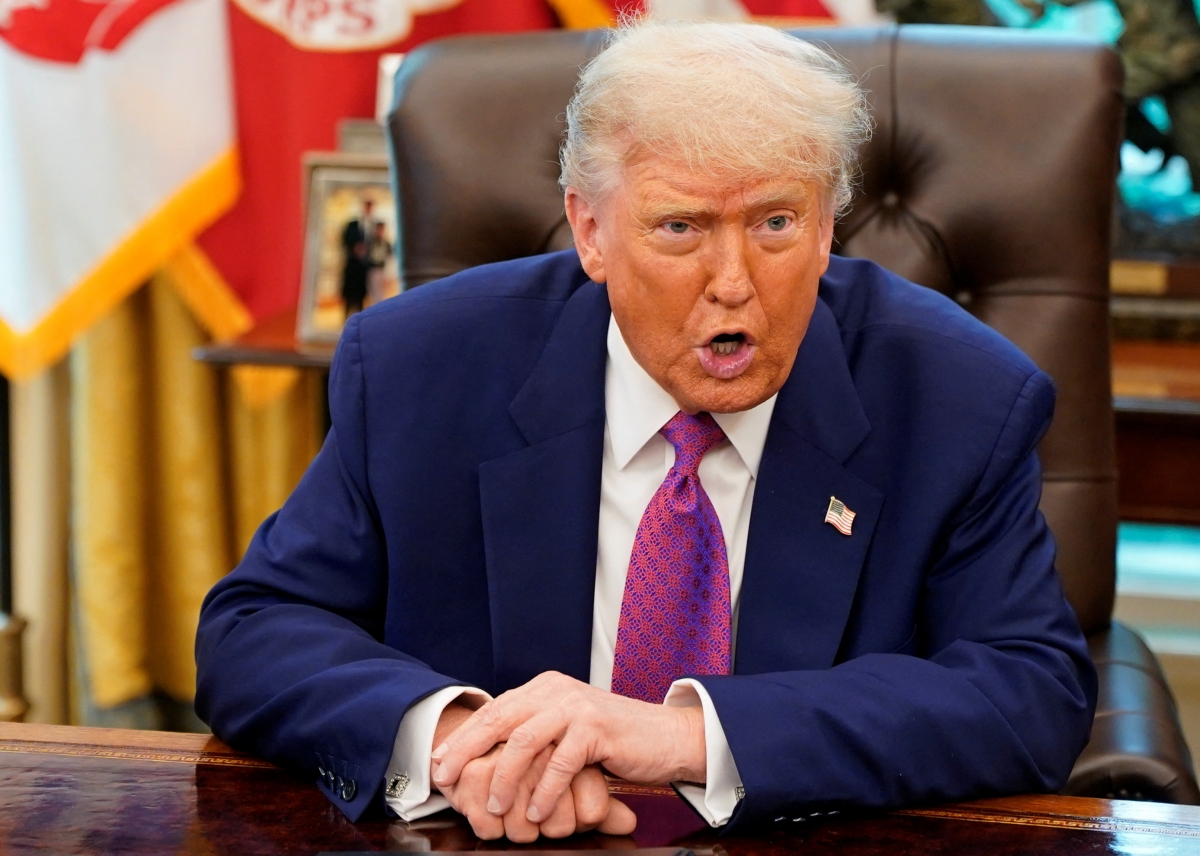
Washington’s reaction has been swift and sharp. White House spokespeople called the move “shortsighted” and a “missed opportunity for alliance strength.” Defense Secretary sources leaked frustrations, warning it could complicate joint operations and signal weakness to adversaries. On Capitol Hill, lawmakers from submarine-building states decried lost jobs, with one Republican senator tweeting, “Canada turns its back on American workers while expecting us to defend the North? Unacceptable.”
Yet, the bigger picture reveals a deliberate Canadian pivot. Under Carney’s leadership, defense spending is surging toward—and beyond—NATO’s 2% GDP target by 2026, with billions earmarked for domestic industry and European partnerships. Canada joined the EU’s Security Action for Europe (SAFE) initiative, accessing loans for joint procurements. Talks with South Korea extend beyond subs to armored vehicles and broader Indo-Pacific ties. Even fighter jet reconsiderations—whispers of supplementing or replacing F-35s with European options—underscore the trend.
Experts see this as a recalibration, not rupture. “Canada isn’t abandoning the U.S.; it’s hedging,” said Philippe Lagassé, a defense policy scholar. “In an era of unpredictable American policy—tariffs, annexation rhetoric, alliance skepticism—Ottawa is regaining agency.” Arctic stakes amplify the urgency: With climate change opening new routes, submarines are vital for asserting sovereignty against encroachments.
Economically, the choice favors Canada. Hanwha promises four boats by 2035 if contracted soon; TKMS emphasizes NATO interoperability. Both pledge technology transfer and local builds, creating thousands of high-skilled jobs. Rejecting the U.S. deal avoids funneling billions abroad while navigating Trump’s “America First” pressures.

Public opinion in Canada largely supports the stance. Polls show growing wariness of over-reliance on the U.S., fueled by trade disputes and perceptions of bullying. “We need partners who respect our independence,” one Vancouver shipyard worker said in interviews.
In Washington, the shock resonates deeper. This single rejection symbolizes eroding assumptions of automatic dominance. As allies worldwide diversify—Europe boosting its own capabilities, Asia forging new pacts—the U.S. faces a multipolar reality where influence must be earned.
For now, CPSP advances without American yards. Contract award looms in 2026-2028, potentially reshaping naval power in the North. Behind the scenes, diplomats scramble for damage control, but the message is clear: Canada is redrawing rules, prioritizing control in an uncertain world.
Is this the quiet end of U.S. defense hegemony in North America? As global tensions mount, Ottawa’s bold move suggests the era of unquestioned dependence is over. Washington watches warily; the alliance endures, but on evolved terms.
The full breakdown reveals layers of strategy, sovereignty, and survival. In comments sections across platforms, debates rage: Strategic masterstroke or risky gamble? One thing’s undeniable—this shock decision is tearing up the old playbook.






