The physical temperature inside the House of Commons may be carefully regulated, but the political atmosphere under the grand gothic arches has reached a boiling point. A fierce, high-stakes rhetorical war has erupted between Prime Minister Justin Trudeau and the leader of the official opposition over Canada’s future.
The latest parliamentary clash transcended routine partisan bickering, exposing a profound ideological rift regarding the true health of the Canadian economy. At the heart of the fierce confrontation lies a fundamental question: are the crushing affordability pressures facing everyday citizens global inevitabilities or the direct result of domestic failure?
Opening the intense barrage, the opposition leader invoked a stark historical comparison, pointing to the macroeconomic landscape of 2014 under the previous conservative administration. He argued that despite a massive global energy crisis and multiple foreign wars, retail gasoline prices remained remarkably affordable for the average working-class consumer.
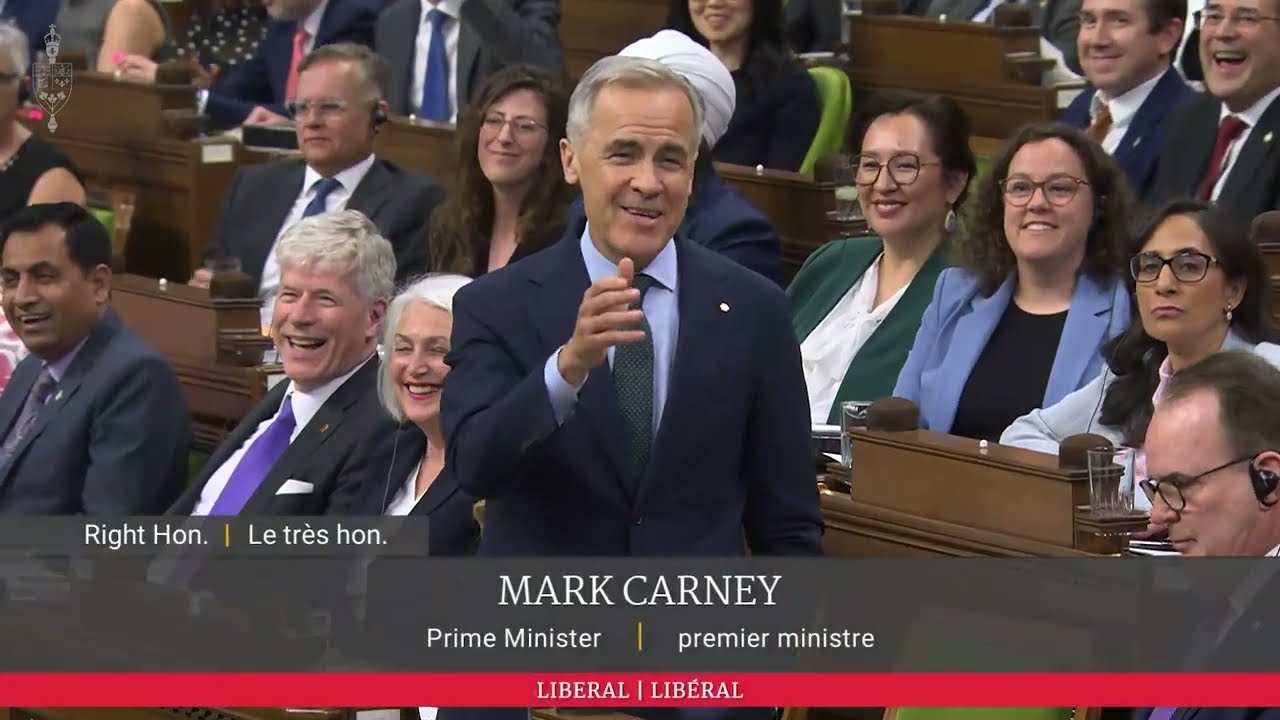
“Those were the Harper days, when global crude hit one hundred dollars a barrel, yet Canadians paid far less at the pump,” the opposition leader declared. He pointedly contrasted that era with today’s economic reality, where worldwide oil prices are significantly lower but retail fuel costs remain over forty cents higher.
The opposition unsparingly attributed this discrepancy to what they termed “liberal impacts,” specifically pointing to high domestic tax policies and a weakened national currency. They demanded that the government immediately reverse its controversial fiscal agenda to provide urgent, tangible relief to families struggling to fill their vehicles.
Prime Minister Trudeau fired back instantly, dismissing the comparison and arguing that the global energy landscape had fundamentally shifted over the past decade. He corporate-blamed skyrocketing retail fuel prices on exponentially higher refinery margins across North America, which he claimed accounted for the exact forty-cent increase.
Shifting the battleground from energy to social policy, the prime minister aggressively turned the focus onto the opposition’s voting record regarding crucial safety nets. He accused his rival of consistently opposing transformative national programs, including affordable child care, dental care, and universal pharmacare designed to mitigate systemic inflation.
“The leader of the opposition is against everything that supports ordinary Canadians during this global affordability crisis,” Trudeau countered before the boisterous chamber. The government bench cheered loudly, attempting to frame the conservative challenge as a heartless assault on essential social infrastructure during difficult times.
Unfazed by the distraction, the opposition leader doubled down on his economic critique, mocking the prime minister’s explanation regarding insufficient domestic refining capacity. He suggested that if infrastructure bottlenecks were truly the primary issue, the current liberal administration should dismantle regulatory barriers and allow new refineries to build.
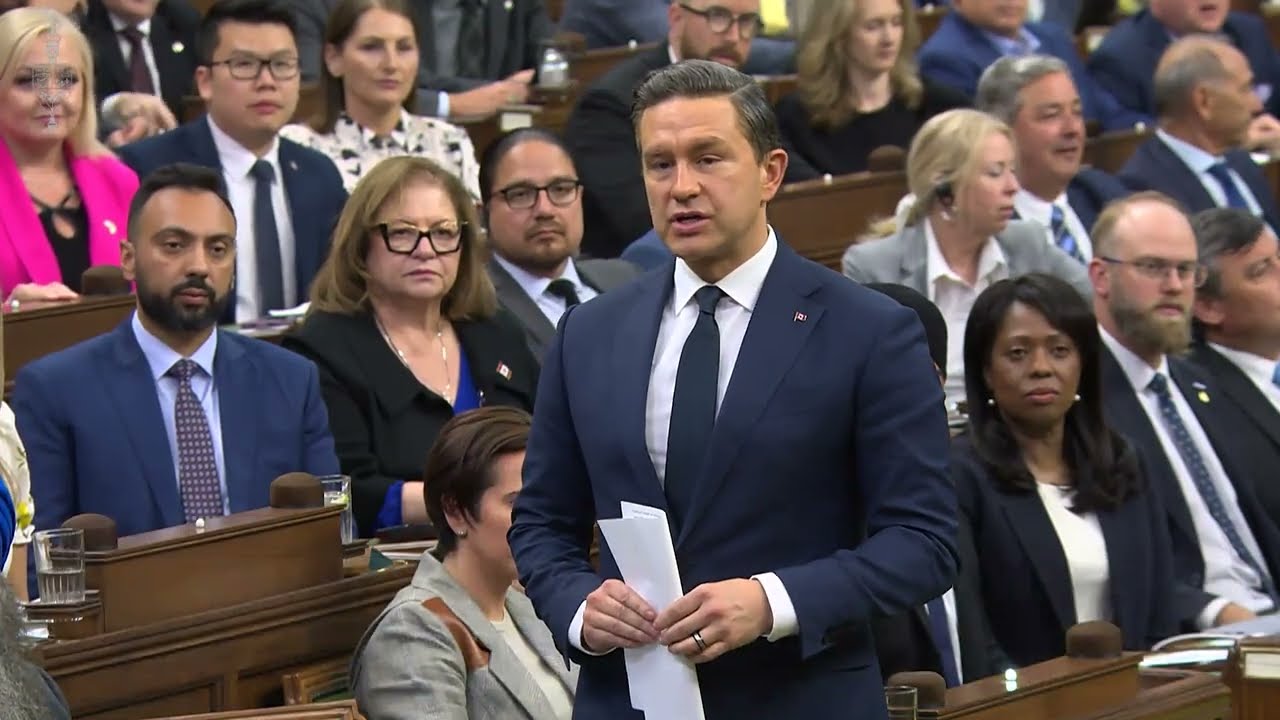
The debate then rapidly escalated into a grim diagnostic assessment of the average Canadian household’s balance sheet and escalating debt obligations. The opposition cited devastating new data from Equifax, revealing that insolvency volumes have suddenly spiked to levels not witnessed since the 2009 global financial crisis.
According to the latest credit metrics, Canadian households currently carry the highest debt burden anywhere within the elite Group of Seven nations. Year-over-year delinquency rates have reportedly climbed by a staggering thirty-two percent, signaling profound undercurrents of financial distress that threaten systemic stability.
“First-quarter insolvencies hit seventeen-year highs, driven primarily by escalating financial strain on mortgage holders across the country,” the opposition leader noted grimly. He demanded to know why over one and a half million citizens missed at least one essential utility or credit payment during the year’s opening months.
Trudeau vigorously defended his government’s sweeping economic record, asserting that liberal policies were successfully delivering robust wage growth that outpaces current inflation. He maintained that Canada’s inflation rate remains lower than that of the United States, while boasting superior female labor force participation metrics.
“This country is working, we are moving forward, and the opposition is desperately trying to hold us back,” the prime minister proclaimed. He insisted that despite prevailing global headwinds and tariff uncertainties, Canada possesses the second strongest economy and the finest fiscal position among G7 partners.
The bitter political combat took an even darker, more existential turn as the opposition raised a controversial land-title dispute in British Columbia. The conflict centers on the recent federal Cowin court decision, which critics argue has placed indigenous title ahead of private fee-simple property rights.
The opposition leader accused the liberal government of actively instructing its federal lawyers not to defend the property rights of ordinary homeowners. He claimed that seniors and young families are tossing and turned at night, genuinely wondering if they still legally own their primary residential properties.
He demanded that the prime minister immediately revoke administrative Guideline 14, which allegedly muzzles federal attorneys from making certain arguments in court. The opposition insists that the government must explicitly argue that fee-simple private property rights historically extinguished all subsequent competing aboriginal land claims.
Trudeau rose to flatly reject the accusation, declaring that his administration would always fiercely defend private property rights across the federation. He reminded the house that the federal government had already launched an immediate legal appeal against the controversial British Columbia Supreme Court ruling.
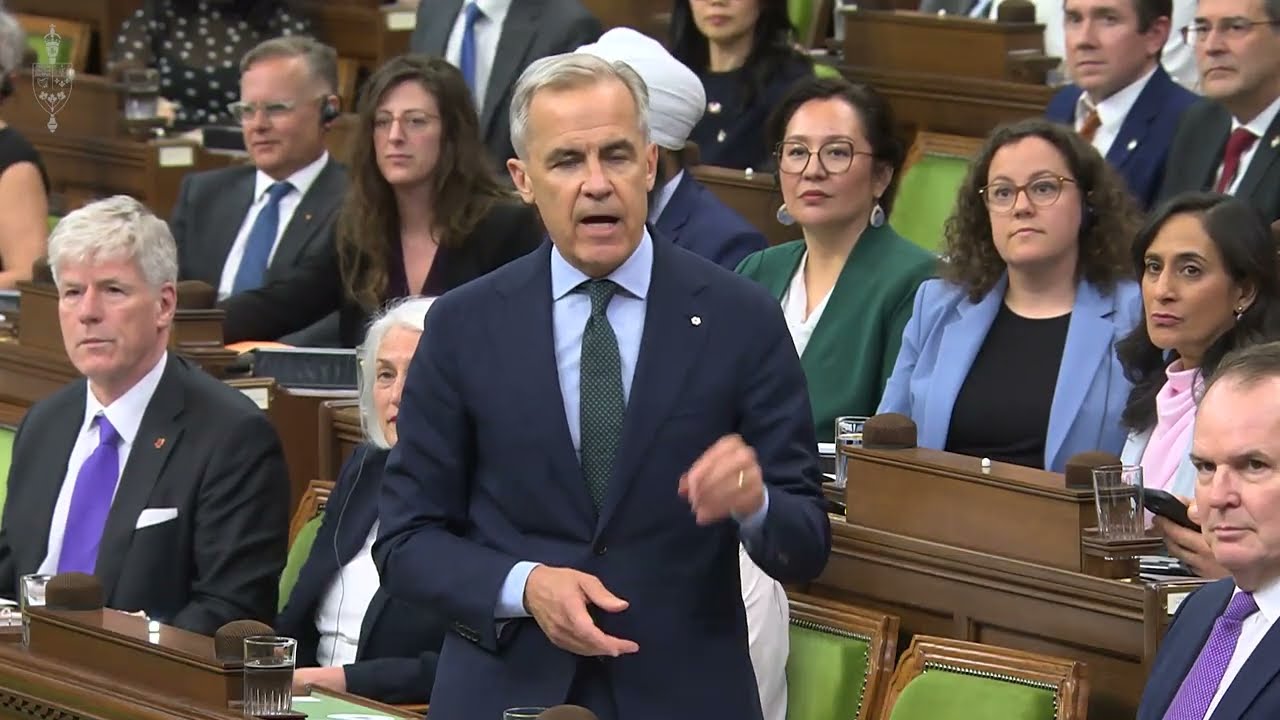
“We fundamentally disagree with that specific judicial decision, and we will use all viable legal options to protect property owners always,” Trudeau stated. He accused the opposition leader of cynically stoking raw fear and societal division among vulnerable citizens for marginal, short-term political gain.
The opposition leader maintained his relentless line of questioning, arguing that the government’s formal legal appeals would ultimately prove entirely hollow. He noted that as long as Guideline 14 remains active on the federal website, government attorneys are structurally prohibited from presenting effective defenses.
“If you make the exact same restricted arguments, you will inevitably receive the exact same disastrous results in court,” the opposition leader warned. He asserted that millions of anxious British Columbians require absolute certainty regarding their land titles, rather than vague prime ministerial platitudes.
Trudeau countered by reiterating his government’s dual commitment to both constitutional property rights and the ongoing process of indigenous reconciliation. He noted that federal lawyers are actively supporting municipal partners, including the City of Richmond, to resolve the complex legal overlapping claims equitably.
The intense exchange highlights a broader, systemic anxiety that has gripped the Canadian electorate as economic and legal certainties begin to dissolve. For many observers, the escalating ferocity of Question Period reflects a nation undergoing deep demographic, financial, and constitutional transformations.
Independent analysts point out that while the macroeconomic indicators cited by the prime minister show technical resilience, the microeconomic reality feels vastly different. Skyrocketing housing costs, coupled with stagnant productivity growth, have left a significant portion of the population feeling economically precarious and politically alienated.
The property rights dispute in British Columbia further complicates this volatile political dynamic, touching upon deeply sensitive historical grievances and legal precedents. Balancing the inherent rights of indigenous nations with the expectations of modern property owners remains one of Canada’s greatest governance challenges.
The opposition’s strategy is clearly designed to weave these disparate anxieties into a single, cohesive narrative of comprehensive government mismanagement and elite detachment. By constantly highlighting the financial struggles of ordinary citizens, they aim to construct an unstoppable momentum for electoral change.
Conversely, the liberal defense relies heavily on long-term structural investments, such as heavily subsidized child care, to demonstrate a compassionate, systematic approach to affordability. They gamble that voters will ultimately prize institutional stability over the disruptive, populist remedies proposed by their conservative counterparts.
As the parliamentary session grinds forward into the hot summer months, neither side shows any willingness to compromise or lower the rhetorical heat. The daily theater of Question Period has become a crucial laboratory where both major parties test their foundational arguments for the future.
The ultimate judgment will, of course, belong to the Canadian electorate when they eventually cast their ballots in the next general election. Until that defining democratic moment arrives, the nation must endure a continuous, bruising ideological battle over its economic soul and constitutional identity.
The echoing shouts and thumping desks of the House of Commons may fade at the end of each legislative day, but the underlying anxieties remain. Canada stands at a critical historical crossroads, navigating the treacherous waters of global instability, domestic debt, and shifting sovereign definitions.






