Canada’s ongoing debate over medical assistance in dying once again moved to the center of parliamentary discussion this week after Conservative MP Garnett Genuis introduced Bill C-260, legislation aimed at strengthening protections against coercion in cases involving medically assisted death. The proposal emerged during a parliamentary session that also included discussions surrounding parental leave reform and broader questions about federal social policy.
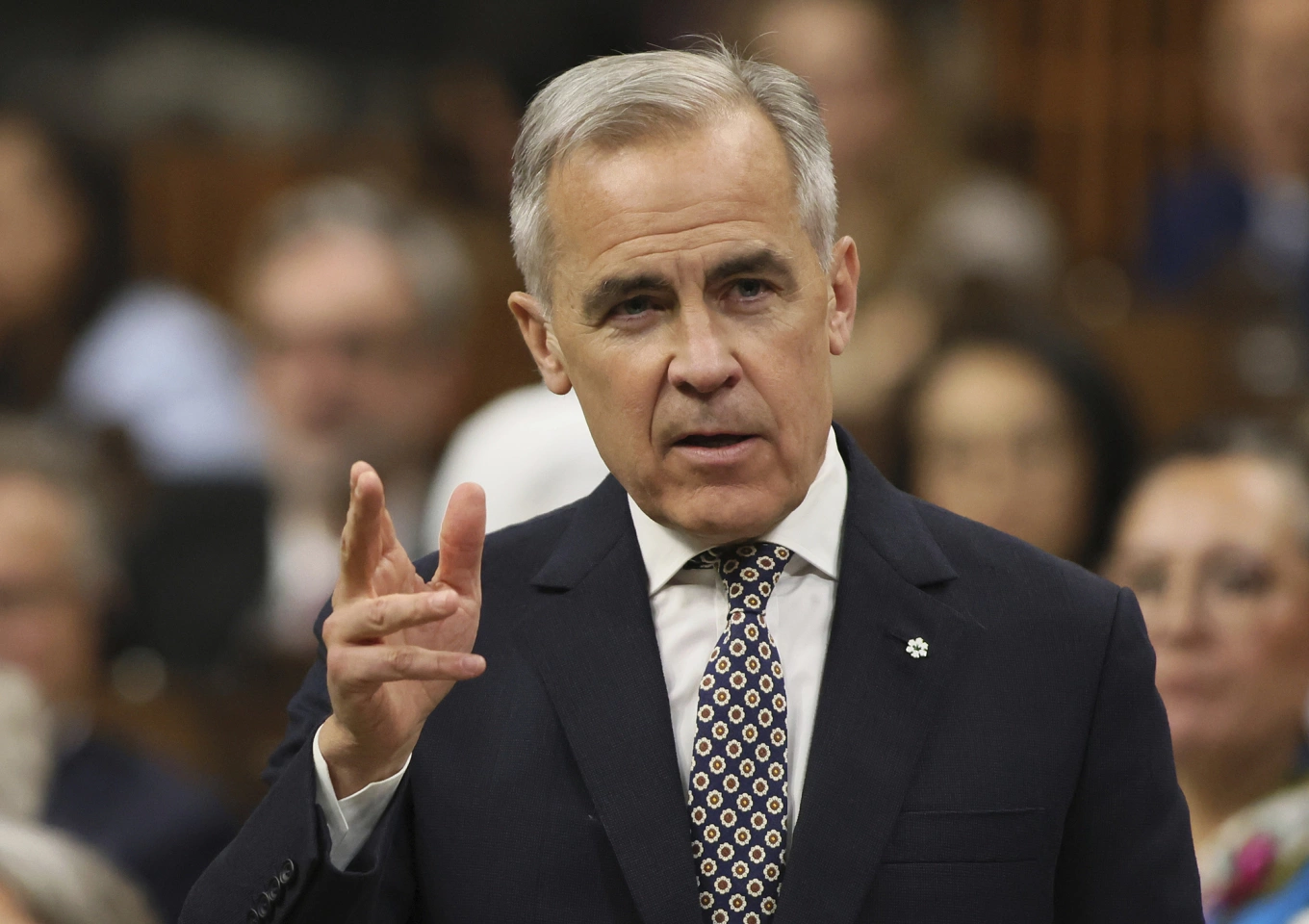
The bill, formally titled the “Care Not Coercion Act,” was introduced in the House of Commons with support from Conservative MPs, including references to concerns raised by veterans, seniors, individuals living with disabilities, and Canadians facing economic hardship. During his remarks, Genuis argued that conversations about medical assistance in dying should occur only between willing patients and medical professionals rather than government officials or bureaucratic institutions.
Parliamentary debate intensified after Genuis stated that some Canadians had experienced pressure related to medically facilitated death while attempting to access unrelated government services. He argued that the legislation would not affect individuals actively seeking medical assistance in dying, but would instead establish additional legal safeguards for those who were not pursuing such options.
Throughout the parliamentary exchange, supporters of the bill framed the legislation as a targeted reform designed to address what they described as gaps in existing protections. Genuis emphasized that the proposal would specifically prohibit coercive conduct by non-medical government actors while leaving existing medical frameworks unchanged for consenting patients.
The debate also revived broader national conversations about the evolution of Canada’s medical assistance in dying framework. Speakers referencing the issue argued that the original implementation of MAID had been presented to Canadians as a narrowly defined policy intended for individuals facing terminal illness and severe suffering. They contended that eligibility criteria have gradually expanded over time, contributing to increasing political and ethical scrutiny.
Questions surrounding vulnerable Canadians became a recurring theme during the discussion. References were made to reports involving veterans seeking mental health support, individuals with disabilities facing financial hardship, and concerns regarding long-term care conditions. Critics of the current system argued that economic vulnerability and limited social supports can complicate the question of genuine consent in assisted death cases.
Opposition voices maintained that Parliament must consider whether Canadians facing poverty, housing insecurity, disability, or mental health challenges are receiving sufficient care before additional expansions to MAID eligibility proceed. These concerns were repeatedly framed as issues of public policy, social investment, and institutional responsibility rather than solely questions of individual medical choice.
At the same time, the broader political environment surrounding MAID remained deeply polarized. Advocates of the current framework have frequently argued that medical assistance in dying represents an issue of personal autonomy and compassionate end-of-life care. Critics, however, continue to raise concerns about oversight, informed consent, and the adequacy of social supports available to vulnerable populations.
Government critics repeatedly argued that underfunded social systems may indirectly contribute to difficult decisions made by vulnerable Canadians. During the remarks referenced in the transcript, concerns were raised regarding mental health services, disability support programs, affordable housing availability, and long-term care staffing shortages.
The debate also intersected with broader ideological disagreements between Conservatives and Liberals regarding the role of government support systems. Conservatives presenting petitions on parental leave reform argued for greater flexibility in employment insurance benefits, education opportunities during leave periods, and accommodations for caregiving responsibilities.
According to statements presented during the session, petitioners supporting the proposed parental leave reforms argued that Canada’s existing framework outside Quebec remains too rigid for many modern families. Suggestions included allowing parents to pause and resume leave arrangements while maintaining access to benefits and pursuing educational opportunities.
For Conservative MPs, the parental leave discussion was presented as part of a larger argument about strengthening family support structures and increasing flexibility within federal programs. Speakers characterized these proposals as reflective of changing workforce realities and evolving caregiving responsibilities faced by Canadian families.
Political tensions inside Parliament continued to grow as opponents of the government linked social support concerns to the wider MAID debate. Critics argued that expanding access to assisted death while social systems remain strained risks raising further ethical questions about the balance between care services and end-of-life policy.
Supporters of Bill C-260 maintained that the proposed legislation is intended to create clearer legal boundaries regarding coercion. They argued that vulnerable individuals should receive additional protections when interacting with government institutions and public services connected to health, disability, or veterans’ programs.
The issue has also highlighted Canada’s evolving international reputation regarding assisted dying legislation. Speakers noted that Canada now records one of the highest per capita rates of assisted deaths globally, a development that has intensified public debate surrounding healthcare ethics, disability advocacy, and federal oversight.
Several speakers pointed repeatedly to the importance of distinguishing between voluntary medical decisions and situations involving external pressure or institutional influence. The discussion repeatedly returned to whether Canadians facing severe social hardship can truly exercise fully independent choice when adequate support systems are unavailable.
The parliamentary exchange reflected broader divisions already visible across Canada’s political landscape. Conservatives have increasingly framed the issue as one involving accountability and protection for vulnerable citizens, while Liberal supporters have generally defended the importance of preserving access to legally protected medical choices for qualifying individuals.
Observers note that debates surrounding MAID continue to generate significant emotional and political reactions across the country. Disability advocates, healthcare professionals, veterans’ groups, faith communities, and civil liberties organizations have all contributed to an increasingly complex national conversation over how Canada balances autonomy, compassion, and social responsibility.
As Bill C-260 moves through the parliamentary process, attention will likely focus on how MPs across party lines respond to the legislation and whether amendments or further committee study emerge in the coming months. The debate may also place renewed scrutiny on the government’s broader record regarding healthcare access, mental health funding, disability supports, and long-term care infrastructure.
The broader implications remain politically significant for Prime Minister Mark Carney and the federal government as opposition parties continue pressing for greater accountability on social policy and healthcare administration. Parliamentary disputes surrounding MAID have increasingly become symbolic of larger ideological disagreements over the direction of Canada’s public institutions.
For now, the debate surrounding Bill C-260 remains unresolved. Supporters view the legislation as a necessary safeguard for vulnerable Canadians, while critics may continue raising concerns about how such measures could interact with existing rights surrounding medical assistance in dying. With strong opinions emerging across the political spectrum, the issue appears likely to remain a defining and controversial subject within Canadian federal politics.






