Washington — The Justice Department is facing intensifying pressure from Congress, victims’ advocates and a sprawling online ecosystem of activists and influencers after missing a legal deadline to release federal records related to Jeffrey Epstein — a case that has become both a test of government transparency and a political accelerant in an already volatile election-year environment.
Under the Epstein Files Transparency Act, a bipartisan law enacted late last year, the department was required to make public unclassified Epstein-related records by Dec. 19, 2025. Instead, officials have said the government uncovered a far larger universe of material than initially anticipated — including more than a million additional documents potentially tied to Epstein — and that the review must proceed slowly to ensure that victims’ identities and sensitive information are protected.
In court filings and public statements, senior Justice Department leaders have framed the delay as an operational necessity: a massive, labor-intensive triage of millions of pages, requiring redactions and careful review across multiple divisions. Reuters reported that the department planned to review 5.2 million pages over a compressed schedule in early January, with hundreds of lawyers pulled in to process the material. But the explanation has done little to quiet critics who say the department’s approach is eroding confidence and fueling speculation, including claims circulating on social media that range from the merely unsubstantiated to the demonstrably false.
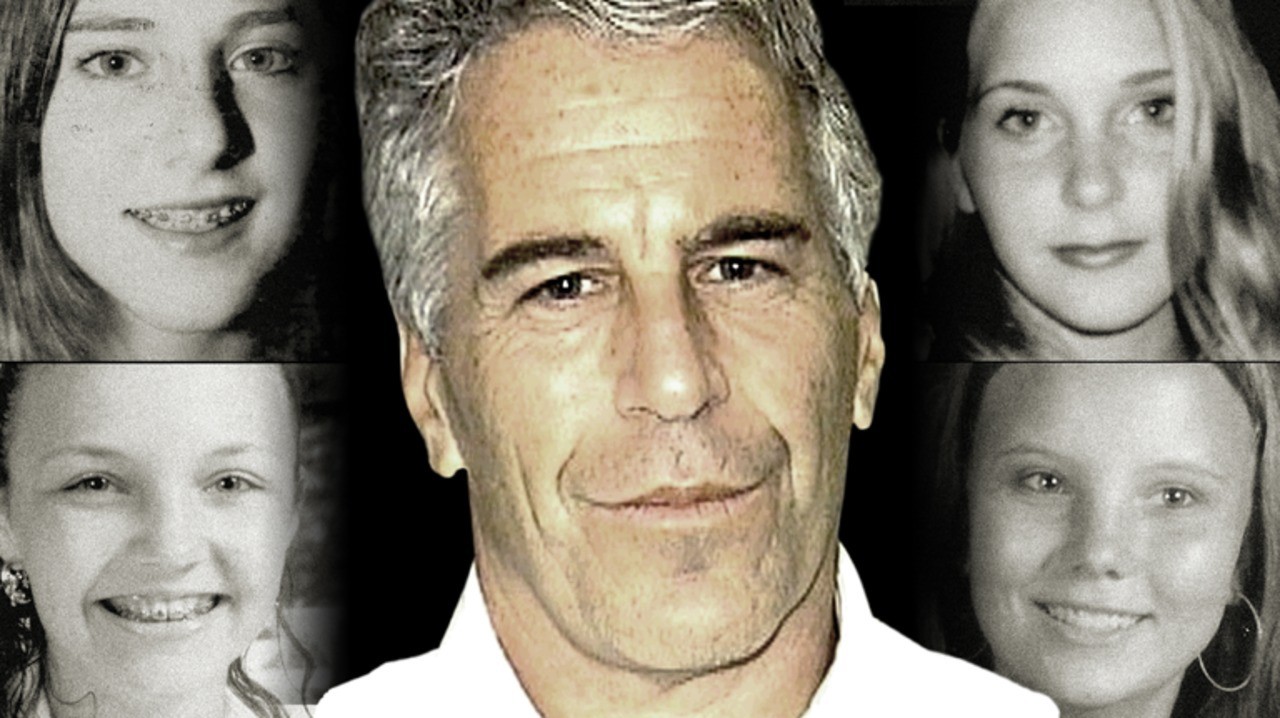
A deadline missed — and a credibility problem
The Justice Department’s defense has largely centered on two points: volume and victim protection. In late December, the department acknowledged the discovery of additional Epstein-linked records and said it would take more time to review and redact them — a position echoed in subsequent filings.
Yet the delay has become its own story. In early January, Time reported that the department had released less than 1% of the relevant documents, intensifying complaints from lawmakers and survivors who argue the process has been mishandled — including allegations of inconsistent redactions and overly broad blackouts.
That tension has been sharpened by the political reality of the case: Epstein’s network involved wealthy and powerful figures, and the public has long doubted that institutions will fully disclose information that could prove embarrassing or incriminating to elites. Even when prosecutors and courts have made clear that an appearance in records is not evidence of wrongdoing, the very existence of a name in a logbook or contact list can become a viral weapon online.
Survivors ask for oversight
In the past two weeks, survivors have moved beyond public appeals and into formal oversight channels. Multiple outlets reported that Epstein survivors asked the Justice Department’s Office of the Inspector General to review the department’s handling of the releases, citing concerns about delays and the potential for re-traumatization through haphazard disclosure.
Separately, a group of U.S. senators wrote to the acting inspector general in late December, arguing that the department was “in violation” of the transparency law’s deadline and urging oversight of the process and its compliance. The letter underscored a complication that has become central to the dispute: the law demands disclosure, but also requires the government to protect victims — two imperatives that can collide when records contain personal information or identifying details.
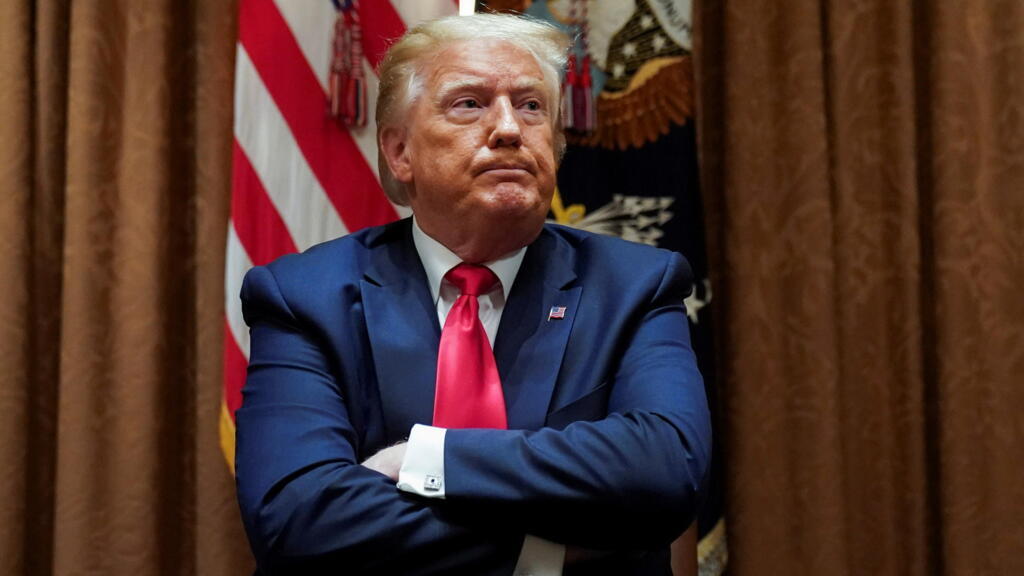
Social media adds gasoline
As the department’s review has dragged on, a parallel narrative has surged online — particularly on X, TikTok, YouTube and partisan Facebook pages — asserting that the government is “slow-walking” disclosures to protect well-connected figures. Some of those claims have been amplified by prominent conservative influencers, who have criticized Attorney General Pam Bondi and other officials while arguing that the public is being denied the “real” files. Reuters described the backlash last year as fierce enough to force senior officials into repeated justifications of their handling of the matter.
On the left, progressive organizations and independent-media personalities have framed the delay as another example of a two-tiered justice system, one that moves quickly for ordinary defendants but cautiously for the powerful — a message that has proven especially resonant in the wake of broader debates about politicization of law enforcement and accountability for government leaders.
But even as social media drives attention, it also distorts the evidentiary landscape. Viral threads frequently collapse distinctions between allegation and proof, or between a document’s existence and a document’s meaning. And sensational claims — including those asserting the contents of unreleased records, or alleging conduct by named individuals without corroboration — can ricochet across platforms before journalists, courts or investigators can evaluate them.
What the documents can — and cannot — prove
One reason the Epstein records have such magnetic pull is that many of them are “adjacent” evidence: phone directories, contact lists, travel logs, visitor records and correspondence. Such material can illustrate proximity to Epstein, but often cannot establish criminal conduct on its own.
That dynamic has already played out in earlier releases. In September, PBS reported that many documents posted publicly by the House Oversight Committee were already public in some form, disappointing audiences who expected a trove of newly revelatory evidence. The episode became a cautionary tale: public “drops” can be politically potent even when they contain little genuinely new information — and they can still do real harm if victims’ identities or private details are exposed.
Justice Department officials, for their part, have argued that careful redaction is not a cover-up but an ethical requirement. Yet critics counter that if the department cannot meet deadlines while conducting lawful, victim-protective redactions, then Congress should receive a more transparent accounting of what is delaying the process — and what categories of information are being withheld.
The political stakes
The controversy has become politically combustible partly because it is bipartisan in its surface structure and partisan in its downstream effects. Lawmakers of both parties voted for transparency; both parties now contain factions arguing that the government is hiding the ball.
At the same time, any renewed focus on Epstein inevitably pulls in the reputations of public figures who moved in the same social circles — including President Trump, whose past association with Epstein has been documented in photos and reporting over the years. Those facts have been re-litigated online in recent weeks, often with claims that go far beyond what has been substantiated in publicly available records.
For the administration, the risk is not only what is ultimately disclosed, but how the process itself is perceived. A slow, opaque release can feed the suspicion that institutions are protecting themselves — even if the underlying cause is bureaucratic, logistical or rooted in victim privacy.
What happens next
The most consequential near-term question is whether the Inspector General will open a formal review of the Justice Department’s handling of the releases, as survivors have requested. Inspector General inquiries can take months, but they can also force the department to memorialize decisions, preserve internal communications and answer pointed questions about compliance with law and policy — all of which can shape public understanding even before final conclusions are issued.
In the meantime, the department has signaled it expects further releases after additional review, without committing to a hard date. That open-endedness is likely to keep the controversy alive — and keep social media primed for the next partial drop, court filing or leak.
For survivors, the stakes remain personal and urgent: a demand for transparency that does not come at the cost of dignity, privacy and safety. For the government, the stakes are institutional: whether a transparency law can be implemented in a way that is both credible and humane. And for the country’s political class, the Epstein files have become something else — a mirror that reflects, in real time, how quickly trust collapses when secrecy, power and trauma intersect.






