EXCLUSIVE: GLOBAL COORDINATED BOYCOTT ROCKS FORMER PRESIDENT TRUMP, “MAKE AMERICA GO AWAY” TREND ERUPTS AS DIPLOMATIC FALLOUT SPREADS
In an unprecedented wave of economic and cultural repudiation, a loosely coordinated international movement has launched a sweeping boycott targeting brands, tourism, and engagements linked to former President Donald J. Trump and his political brand, sending shockwaves through his inner circle and sparking frantic damage control efforts. The viral hashtag #MakeAmericaGoAway, a satirical twist on his iconic “Make America Great Again” slogan, has become the rallying cry for what analysts are calling a “digital-age sanction,” representing a profound erosion of soft power.
The movement, which exploded across social media platforms overnight, aggregating over 50 million mentions, appears to have been catalyzed by a confluence of recent events. Diplomatic sources, speaking on condition of anonymity, point to a leaked internal memo—allegedly from Trump’s orbit—that outlined aggressive plans to economically penalize nations perceived as “disloyal” should he return to power. This leak, they claim, acted as a final straw, prompting several key allied nations in Europe and Asia to quietly encourage private sector and cultural institutions to begin a phased disengagement.

“The memo was a blueprint for transactional bullying,” one European diplomat whispered. “The response is a pre-emptive signal that the world can also transact—or choose not to.”
The boycott’s manifestations are multi-faceted. Major international fashion and luxury brands with deep American ties have quietly paused collaborations with Trump-affiliated properties. Several globally renowned music festivals in Europe and Canada announced line-up changes, dropping prominent American artists who are vocal Trump supporters. Tourism boards in Southeast Asia and the Caribbean, traditionally reliant on American visitors, launched campaigns subtly promoting “alternative, welcoming destinations.”
Perhaps most striking has been the reaction from traditional media and digital platforms abroad. Foreign broadcasters have pulled scheduled re-runs of American television shows intimately tied to Trump’s celebrity persona, while online influencers across Latin America and Europe are flooding feeds with content highlighting American political dysfunction alongside idyllic scenes from their own countries.

Witnesses at Mar-a-Lago describe a scene of intense agitation. The former president, known for monitoring media coverage obsessively, was reportedly “apoplectic” as he scrolled through the trending torrent of mockery and declarations of the boycott. His posts on Truth Social escalated in frequency and tone, veering from accusations of a “globalist witch hunt” to threats of “ultimate retribution” against participating countries, further fueling the very fire they sought to extinguish.
The political fallout within the United States is instantly polarized. Trump’s critics view the global snub as a vindication of long-held warnings that his brand of politics isolates America. “The world is voting with its wallets and its cultural capital,” said a senior Democratic strategist. “They’re not protesting America; they’re protesting the Trumpification of America, and the distinction is crucial.”
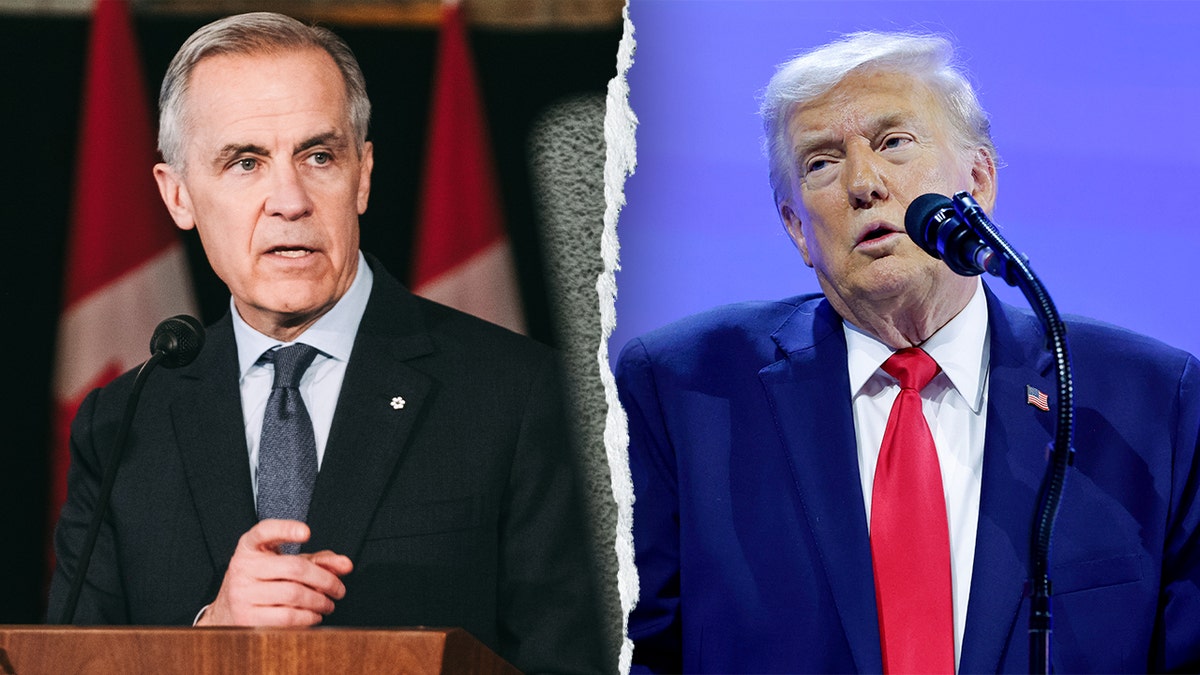
Trump’s supporters, meanwhile, have rallied around a siege mentality. Many frame the boycott as evidence of a corrupt global elite terrified of his America-first agenda. “They’re not boycotting America; they’re trying to boycott American sovereignty,” argued a prominent conservative commentator, urging followers to launch a “counter-boycott” of participating brands and nations.
Economic analysts are cautiously measuring the immediate impact. While the direct financial hit to Trump’s business empire may be contained initially, the long-term brand damage—and the symbolic blow to American prestige—is potentially more significant. The trend exposes a vulnerability: in an interconnected world, national image is a currency, and it can be devalued by viral sentiment.
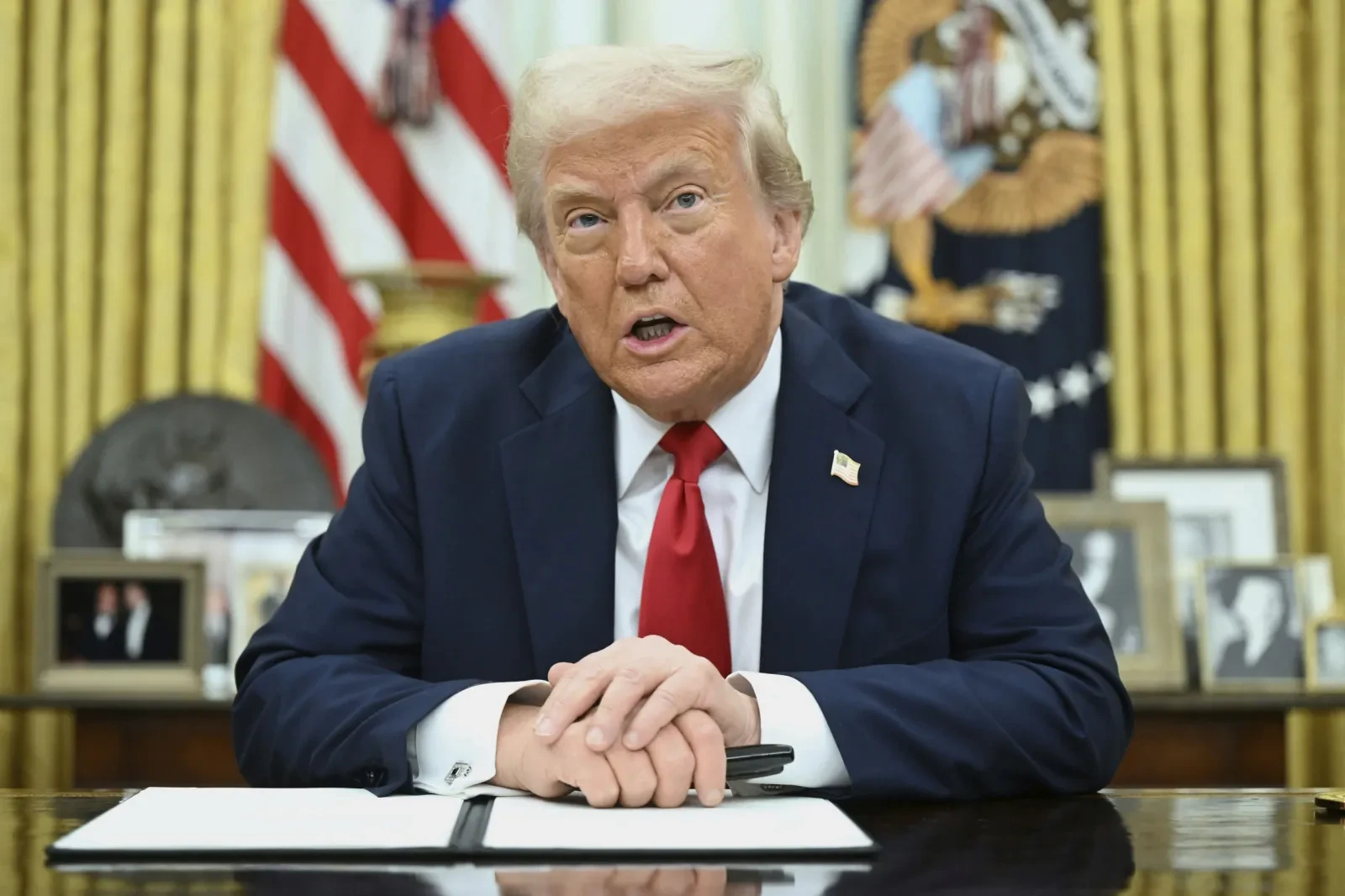
The true bombshell, as hinted by insiders, lies in the suggestion of state-level coordination. If verified, it marks a radical departure from traditional diplomacy, where nations use back channels and formal complaints, not the weaponization of public sentiment and consumer culture. This “soft power strike” suggests a new playbook for the international community to express disapproval, one that operates in the court of public opinion and the global marketplace rather than the U.N. General Assembly.
As the #MakeAmericaGoAway trend shows no sign of abating, the episode raises existential questions. It demonstrates the potent, volatile power of global digital crowdsourcing in geopolitical statement-making. For Donald Trump, the spectacle is a nightmare of his visibility turned against him. For the world, it is a real-time experiment in measuring how much cultural and economic influence can be leveraged to shape the political landscape of a superpower—from the outside in. The boycott may fade, but the precedent of a globally-trending, crowd-sourced foreign policy rebuke is now, indelibly, set.






