A Late-Night Suspension, a Hollywood Rebuke, and a Deepening Debate Over Free Speech

The suspension of Jimmy Kimmel Live! in September 2025 has become more than a television industry dispute. It has evolved into a broader confrontation over political pressure, media independence, and the limits of free expression in an increasingly polarized United States.
ABC announced the suspension days after comments Mr. Kimmel made on air following the assassination of conservative activist Charlie Kirk at a Turning Point USA event in Utah. In his monologue, Mr. Kimmel criticized efforts by some political figures to distance the suspect from the MAGA movement, remarks that drew immediate backlash from conservative commentators and federal regulators. Brendan Carr, the chairman of the Federal Communications Commission and a prominent ally of President Trump, publicly condemned the segment and warned that the network could face regulatory consequences if it failed to “address the conduct.”
Within hours, several ABC affiliate stations owned by Nexstar Media Group removed the program from their schedules. ABC then announced an indefinite suspension, citing internal standards reviews but declining to elaborate. The network denied that the decision was influenced by federal pressure, though critics have pointed to the timing: Nexstar was seeking FCC approval for a multibillion-dollar merger at the time.
President Trump celebrated the suspension on Truth Social, calling it “great news for America” and labeling Mr. Kimmel “ratings challenged.” He later suggested that other late-night hosts, including Jimmy Fallon and Seth Meyers, should be removed as well. The comments alarmed press freedom advocates, who argued that the president’s rhetoric blurred the line between criticism and intimidation.
The reaction extended beyond television. Mark Ruffalo, the actor known for his role in Marvel’s Avengers franchise, emerged as one of the most prominent voices condemning the suspension. Speaking at a virtual event organized by the No Kings protest movement, Mr. Ruffalo said the cancellation represented “the United States government coming and taking your voice away,” a comparison that quickly circulated across social media and cable news.
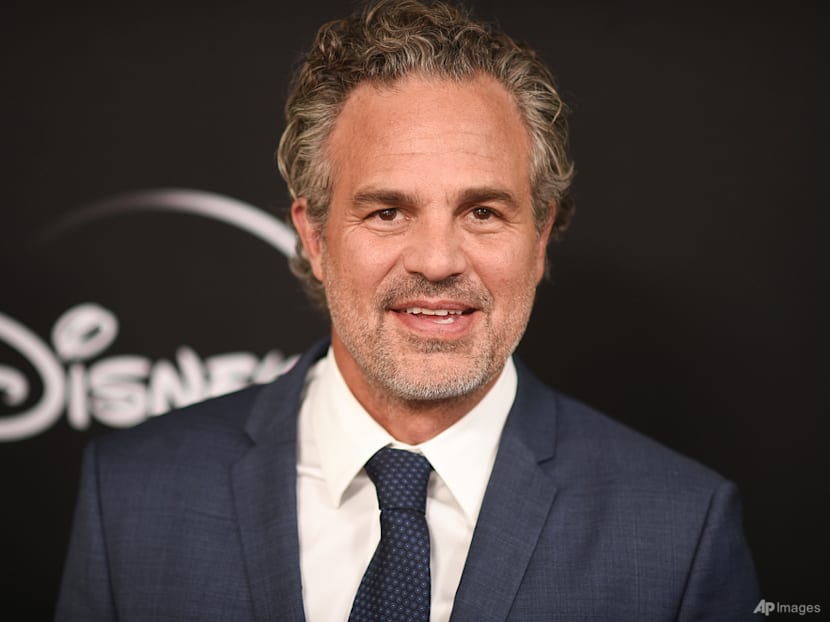
Mr. Ruffalo’s remarks were tied to broader outrage over the killing of Alex Jeffrey Prey in Minneapolis during a protest earlier that month. Federal authorities said Mr. Prey posed a threat during a confrontation with Border Patrol officers, a claim disputed by civil rights groups and by witnesses who cited video footage showing him attempting to assist another protester. The administration’s handling of the incident drew condemnation from Minnesota’s business community, with the state’s Chamber of Commerce issuing a rare open letter calling for de-escalation and accountability.
Professional sports organizations and entertainers followed. The National Basketball Players Association released a statement affirming support for civil liberties and condemning political violence. Several prominent athletes echoed the message, while former Presidents Barack Obama and Bill Clinton issued statements warning against the erosion of democratic norms.
The controversy reached a cultural flashpoint at the 2026 Golden Globe Awards, when Mr. Ruffalo referred to President Trump as “the worst human being” and “a convicted felon” during a live broadcast. The White House condemned the remarks as defamatory, though no lawsuit has been filed.
Administration officials have defended their actions as necessary to maintain public safety and broadcasting standards. “No one is being silenced,” a senior official said. “Networks are free to air whatever they want, but they must follow the law.” Supporters of the president argue that Mr. Kimmel’s commentary crossed a line and that federal agencies are within their rights to scrutinize broadcasters.
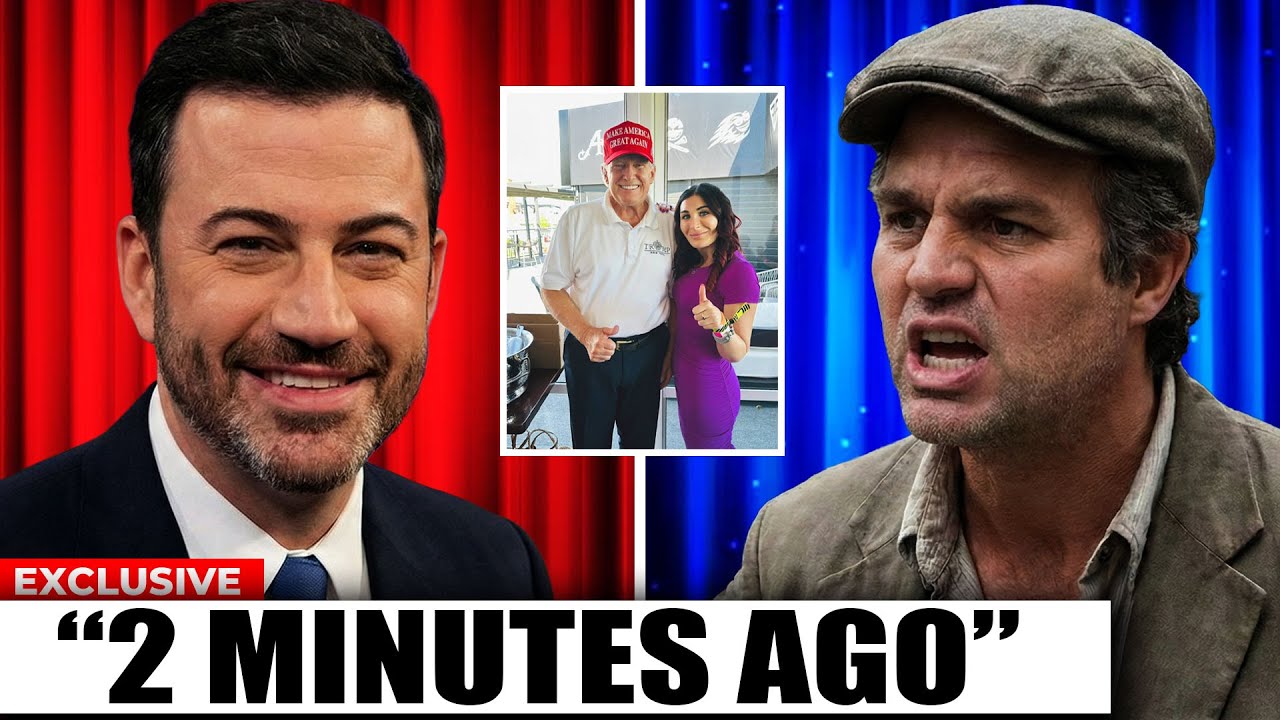
Yet media scholars note that direct regulatory threats against content are rare in modern American history. “When government officials publicly suggest punitive action based on political speech, it creates a chilling effect,” said a professor of constitutional law at Columbia University. “Even if no formal penalties are imposed, the pressure itself can alter behavior.”
Public opinion remains sharply divided. Polls show declining approval ratings for the president amid concerns about government overreach, while his supporters view the backlash as evidence of entrenched media bias. For now, Jimmy Kimmel Live! remains off the air, and the FCC has not announced any formal enforcement action.
What began as a late-night monologue has become a test case for the relationship between political power and cultural institutions. As comedians, actors, athletes, and executives weigh in, the episode underscores a central question facing the country: whether dissenting voices are being challenged by audiences—or constrained by the state.






