For generations of Canadians, Tim Hortons was never just a coffee shop. It was the first job after school, the stop during morning commutes, the symbol printed on hockey rink cups and highway billboards from Ontario to Alberta. It was marketed as something deeply Canadian — familiar, local, almost untouchable.
But a chain of events that unfolded quietly between Ottawa, Miami, and a small town in Ontario is now making many Canadians ask a difficult question: is Tim Hortons still truly a Canadian company, or has Canada simply become part of the branding?
The controversy exploded after workers at a Tim Hortons location in Grimsby, Ontario reportedly received termination notices just days before Christmas 2025. Some of the employees had worked there for nearly two decades. According to reports shared publicly by Conservative MP Dean Allison, the staff were informed the store was being sold and that only a handful of newer part-time workers would remain.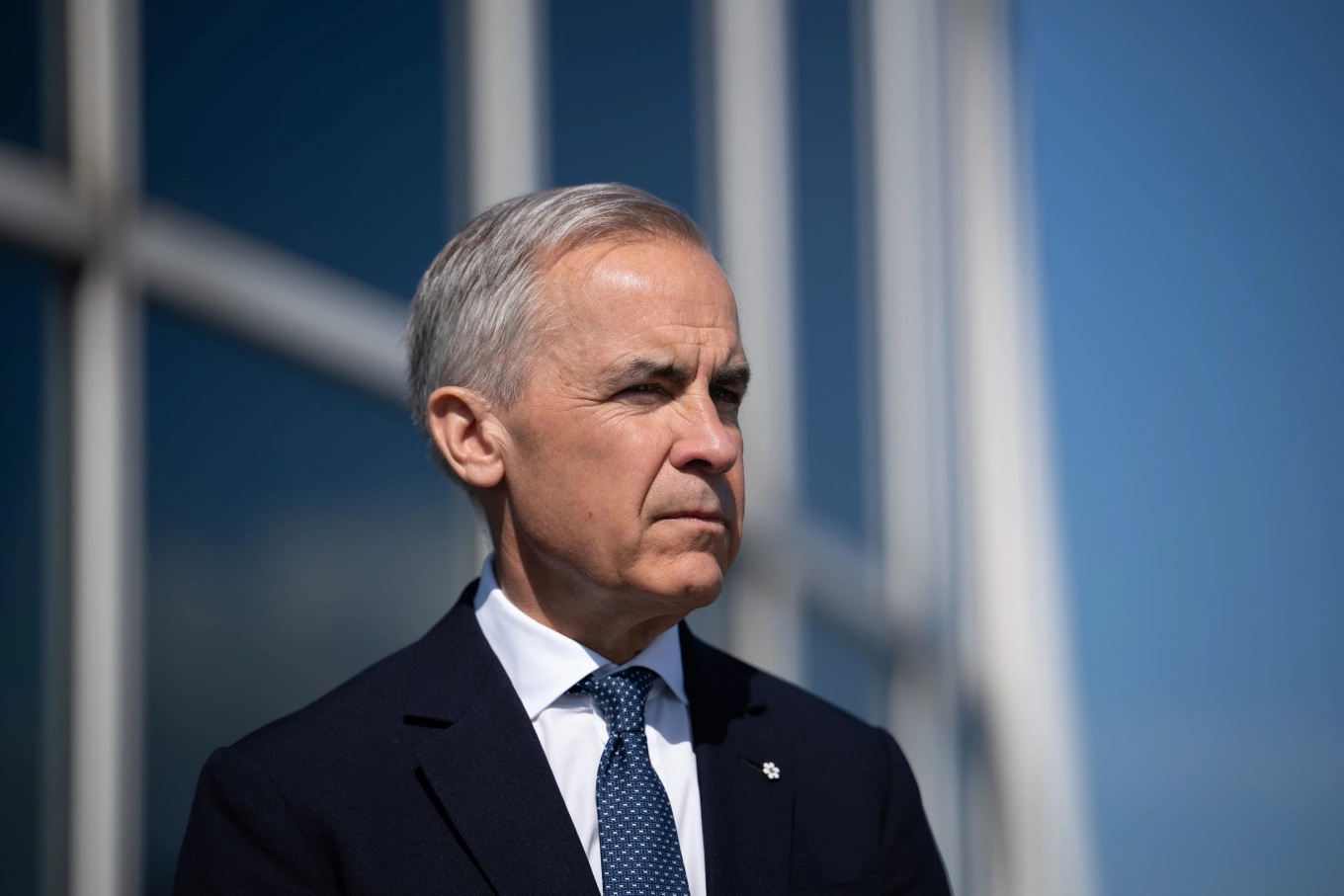
The timing triggered outrage almost immediately. Social media users accused the company of abandoning loyal employees during the holidays, and within days, calls for a boycott spread online. Under growing pressure, the terminations were eventually reversed. But for many Canadians, the real story was not the firing letters themselves. It was what appeared to be happening behind the scenes at the exact same time.
Just weeks before the Grimsby controversy, representatives connected to Tim Hortons and its parent company, Restaurant Brands International (RBI), had reportedly met with officials in Ottawa, including people connected to Prime Minister Mark Carney’s office. Lobbying records show discussions involving the Temporary Foreign Worker program and requests linked to hiring flexibility in the food service industry.
That revelation changed the tone of the debate entirely.
Critics began asking why a company associated so strongly with Canadian identity was lobbying for expanded access to foreign labor while long-serving Canadian workers feared losing their jobs. Supporters of the program argued that labor shortages remain severe across parts of the restaurant industry and that businesses are struggling to fill positions.
Still, the optics were devastating.
What made the backlash even stronger was the discovery that RBI’s principal executive offices are listed in Miami, Florida. While the company maintains a major presence in Toronto, corporate filings clearly identify Miami as part of its executive headquarters structure.
For many Canadians, that detail landed like a shock.
Tim Hortons advertisements still wrap themselves in Canadian imagery — snowstorms, hockey games, small-town families, maple leaves, and national pride. Yet critics say the company’s corporate direction increasingly reflects international investor priorities rather than local Canadian communities.
The issue became even more politically explosive because it collided with growing anxiety over the Canadian economy itself.
Youth unemployment has been climbing. Many young Canadians say finding a first job has become dramatically harder than it was just a few years ago. Across online discussions, people increasingly complain that entry-level jobs — once considered stepping stones for students and teenagers — are now harder to access.
That frustration has fueled anger toward the Temporary Foreign Worker program, which critics argue has expanded far beyond its original purpose.
Supporters of the program strongly disagree with that narrative. Business groups insist many restaurants genuinely cannot find enough workers willing to take certain shifts or stay in difficult service jobs long term. They warn that without temporary workers, some locations would reduce hours or close entirely.
But opponents say the Grimsby case symbolized something much larger than one local dispute.
To them, it represented a system where corporate cost-cutting, immigration policy, and political lobbying are increasingly disconnected from ordinary Canadian workers trying to survive rising living costs.
The political pressure intensified after reports suggested the federal government had issued more Temporary Foreign Worker permits than previously expected under public targets. Opposition parties quickly seized on the issue, accusing Ottawa of saying one thing publicly while allowing something very different behind closed doors.
Prime Minister Mark Carney’s government has defended its broader economic strategy, arguing Canada still faces labor shortages in multiple sectors and requires targeted immigration to sustain growth. Officials also insist reforms are underway to ensure the system focuses on genuine workforce needs.
Yet the public mood appears to be shifting.
What once sounded like a technical policy debate is now becoming emotional and deeply personal. Canadians are no longer only discussing permit caps or labor percentages. They are talking about their children struggling to find work, longtime employees fearing replacement, and companies they once trusted feeling increasingly distant.
The Tim Hortons controversy struck a nerve because it touched something symbolic.
People can accept that multinational corporations operate globally. What they struggle to accept is the feeling that national identity itself is being used as a marketing strategy while key decisions are made elsewhere.
The maple leaf still appears on the coffee cup. The commercials still celebrate Canadian life. But critics now wonder whether the country itself is becoming secondary inside the business model.
And perhaps that is why this story refuses to disappear.
Because beneath the debates about lobbying meetings, work permits, and corporate headquarters lies a much bigger fear — the fear that many Canadians are slowly losing control over the institutions, opportunities, and economic future they once believed belonged to them.
Whether that fear is fully justified or politically amplified depends on who you ask.
But one thing is certain: after Grimsby, after the lobbying revelations, and after the questions surrounding Ottawa’s relationship with major corporations, many Canadians are no longer looking at Tim Hortons the same way.
And the biggest question may not be whether Tim Hortons left Canada.
It may be whether Canada realized too late that it was already being left behind.






