By XAMXAM
WASHINGTON — A volatile new phase of political confrontation unfolded on Capitol Hill this week as a growing number of lawmakers publicly questioned whether Donald Trump remains fit to govern, intensifying debate over resignation, impeachment and even the Constitution’s most extreme removal mechanisms.
In floor speeches, media appearances and private conversations, Democratic lawmakers — joined by a small but notable group of Republicans — have described the president’s recent conduct as dangerous and destabilizing, language that marks a sharp escalation from earlier criticism. Some members have openly urged Mr. Trump to step aside, while others argue that Congress must prepare for formal removal proceedings if he does not.
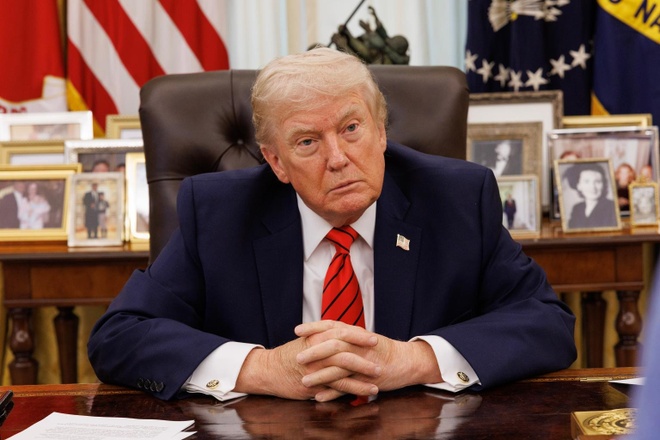
While claims circulating online that “more than 120 lawmakers” have demanded immediate resignation could not be independently verified, congressional aides from both parties confirmed that the number of members publicly calling for Mr. Trump’s departure has risen markedly in recent days, reflecting what one senior Democratic aide described as “a rapidly shifting mood inside the building.”
“This is no longer a theoretical conversation,” Representative Jamie Raskin of Maryland said in an interview. “The question being asked now is not if accountability mechanisms exist, but whether Congress has the will to use them.”
Impeachment Talk Returns — With New Urgency
Several House Democrats have begun circulating draft articles of impeachment, according to people familiar with the discussions. While no formal impeachment vote has yet been scheduled, lawmakers involved in the effort say the documents outline allegations of abuse of power, obstruction of constitutional processes and conduct incompatible with the office of the presidency.
These discussions echo earlier impeachment efforts against Mr. Trump, but the political context is markedly different. Unlike previous moments, when party discipline largely held, Republicans now face visible internal strain.
Representative Don Bacon of Nebraska, a Republican, warned publicly that certain presidential actions could push the country into a constitutional crisis. Others, while stopping short of endorsing impeachment, have expressed concern about the political and institutional cost of continued escalation.
House Republican leadership has so far resisted calls for impeachment proceedings, arguing that removal efforts would further inflame an already polarized electorate. “We are not going to govern by headline or hashtag,” one senior Republican aide said, speaking on the condition of anonymity to discuss internal deliberations.
The 25th Amendment Enters the Conversation
Perhaps the most striking development has been the renewed discussion of the 25th Amendment, the rarely invoked constitutional provision that allows for the removal of a president deemed unable to discharge the powers and duties of the office.
Legal scholars emphasize that invocation of the amendment would require the vice president and a majority of the cabinet — a threshold that remains extraordinarily high and politically fraught. No modern president has ever been removed through this mechanism.
Still, the fact that lawmakers are openly discussing it reflects the depth of alarm in some quarters.
“The 25th Amendment is not a political tool,” said a former Justice Department official. “It exists for extreme circumstances. But when members of Congress begin mentioning it out loud, that alone tells you how severe they believe the situation has become.”
The White House has dismissed such talk as “reckless speculation,” with officials insisting that the president remains fully capable and in control. In a brief statement, a spokesperson said Mr. Trump “will not be bullied out of office by political opponents who lost at the ballot box.”
A Fracturing Party
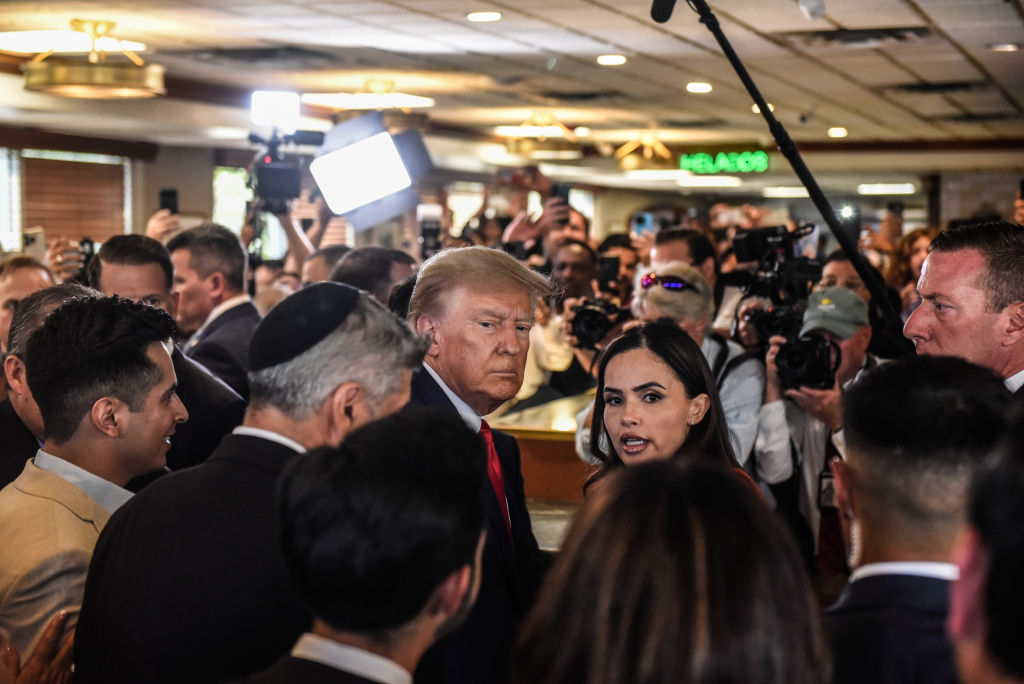
The growing pressure has exposed deep divisions within the Republican Party. Hard-line allies of Mr. Trump have framed the criticism as an attempted coup, accusing Democrats — and dissenting Republicans — of weaponizing constitutional processes to overturn political outcomes.
Others worry that unconditional loyalty could prove politically catastrophic.
Several Republican strategists privately acknowledged that defending the president against mounting allegations has become increasingly difficult, particularly as public opinion surveys show declining approval ratings in key districts. “The math is starting to scare people,” said one strategist. “If this continues, it’s not just Trump who’s at risk — it’s the entire conference.”
Public Pressure and Political Theater
Outside Congress, demonstrations and viral videos have amplified the sense of crisis. Clips of lawmakers using phrases like “clear and present danger” have spread widely online, fueling public anger and reinforcing the perception of an unraveling presidency.
Political analysts caution, however, that viral momentum does not always translate into institutional action.
“Washington runs on procedure, not passion,” said a political scientist at Georgetown University. “You can have the loudest protests in the world, but removal still requires votes — and those votes remain uncertain.”
Indeed, despite the heated rhetoric, Democrats do not currently command the two-thirds Senate majority required to convict in an impeachment trial, nor do Republicans appear ready to abandon Mr. Trump en masse.
What Happens Next
For now, the standoff appears poised to intensify rather than resolve. House committees are expected to continue investigations that could inform potential impeachment articles. Republican leaders are under pressure from both sides — from a base demanding loyalty to Mr. Trump and from moderates warning of electoral disaster.
The White House, meanwhile, has adopted a defiant posture. Advisers say the president views the uproar as political theater designed to weaken him ahead of future electoral battles, and they insist he has no intention of resigning.
History offers few clear parallels. Only one American president has resigned under threat of impeachment, and that decision came only after political support collapsed almost entirely.

Whether the current moment reaches that threshold remains unclear.
What is clear, however, is that the question once whispered in corridors — Can a sitting president be forced from office? — is now being debated openly, loudly and with growing urgency.
As one veteran lawmaker put it: “When the conversation shifts from ‘should he be criticized’ to ‘should he be removed,’ the system is already under stress. The only unknown now is how far that stress will go.”






