Government Faces Intensifying Pressure as Conservatives Escalate Affordability Attacks in Commons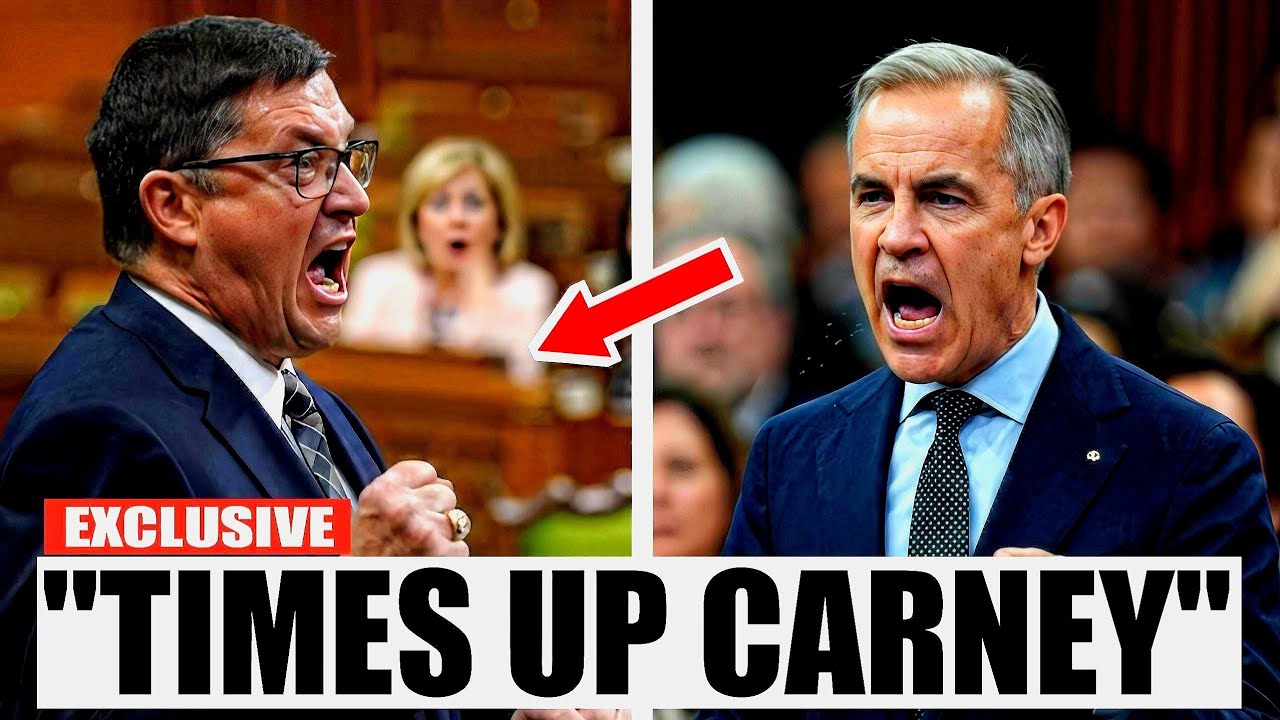
Opposition MPs sharpen criticism over inflation, public spending and housing costs as Liberal government defends fiscal record amid mounting parliamentary scrutiny
The debate over affordability returned to the centre of Canadian politics this week as Conservative members of Parliament intensified their attacks on the Liberal government during a series of heated exchanges in the House of Commons, arguing that rising living costs and continued public spending have left many Canadians increasingly frustrated with Ottawa’s priorities.
Conservative MPs framed the issue as part of a broader failure of governance, accusing the government of allowing inflationary pressures and housing costs to worsen while continuing to commit billions of dollars to programs they argued do not adequately address the concerns of working households. Liberal ministers rejected those claims, insisting that opposition proposals would create further fiscal strain and undermine ongoing economic measures.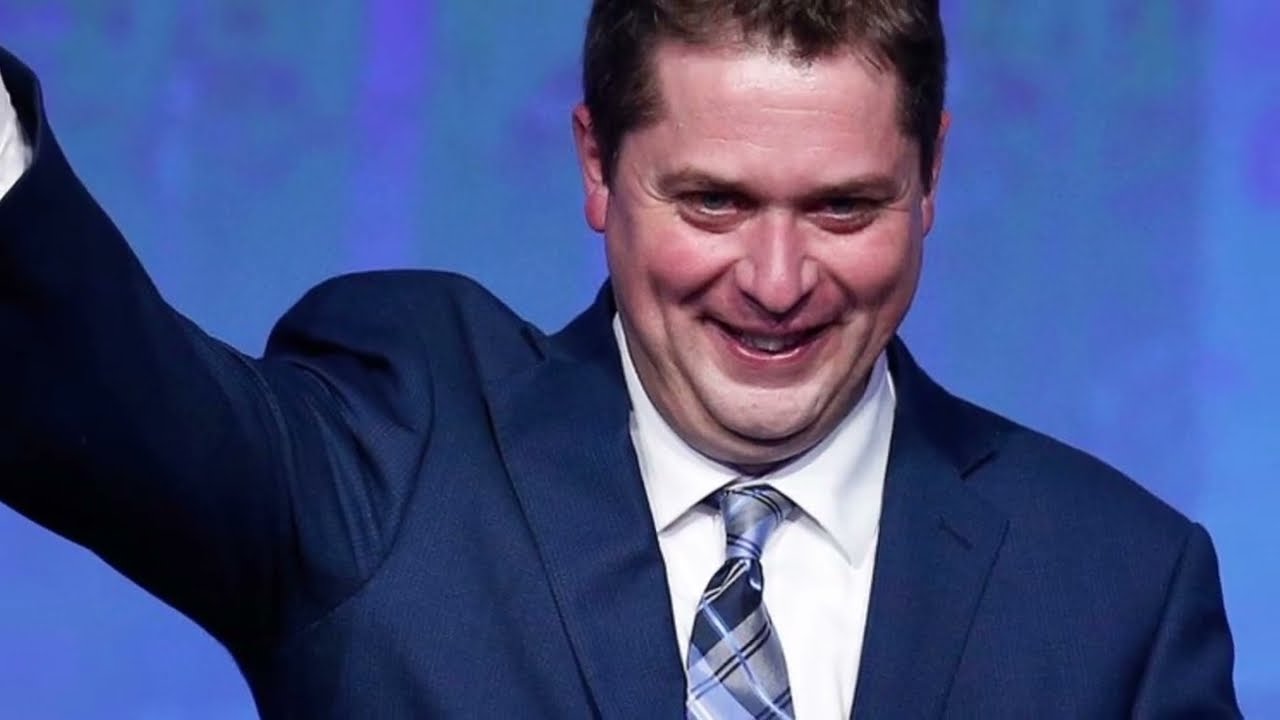
The confrontation inside Parliament reflected a wider political climate in which affordability has become one of the most contested issues in federal politics. Members of the opposition repeatedly pointed to rising food bank usage, housing insecurity and fuel costs as evidence that many Canadians no longer feel economically protected despite repeated government commitments on affordability.
One Conservative MP cited a series of government expenditures during Question Period, including spending linked to information technology contracts, firearms policy initiatives, foreign aid commitments and refugee health programs. The remarks were accompanied by accusations that taxpayers were being asked to shoulder mounting costs while public services remained under pressure.
Government representatives responded by defending existing fiscal measures, including temporary reductions to federal fuel-related taxes, while warning that Conservative proposals for broader tax reductions would significantly reduce federal revenues. Liberal ministers argued that the opposition had failed to explain how such measures would be funded without affecting other public priorities.
The exchange quickly evolved beyond a narrow dispute over fuel taxes and spending policy. Conservatives increasingly connected the debate to wider concerns about declining living standards, arguing that many households now face impossible choices between housing, groceries and basic monthly expenses despite being employed full-time.
Across several interventions, opposition MPs described what they characterized as a growing disconnect between government messaging and the lived experiences of Canadians. They argued that repeated assurances from Ottawa regarding affordability no longer aligned with conditions facing families across the country.
Particular attention was directed toward food insecurity. Conservatives referenced figures suggesting millions of Canadians now rely on food banks each month and cited growing demand for local food assistance services in communities such as Niagara Falls. The government was accused of failing to address the underlying pressures contributing to those trends.
Liberal ministers rejected the characterization that the government had neglected affordability concerns. Cabinet representatives defended recent immigration and temporary residency measures while arguing that broader economic conditions, including global inflationary pressures, continued to affect households across multiple countries, not only Canada.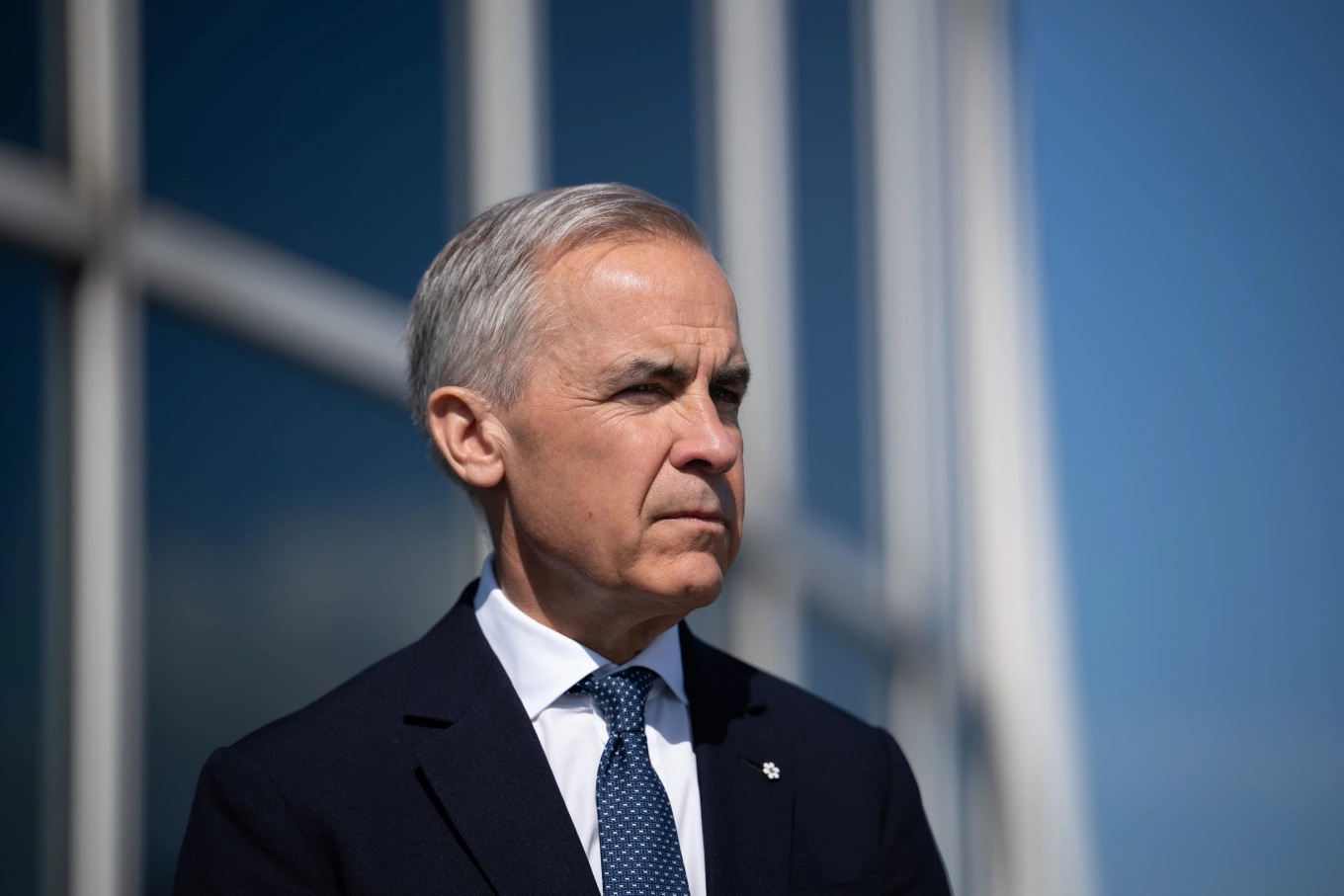
The debate became especially contentious when opposition MPs raised questions regarding health-care coverage for rejected asylum claimants under the Interim Federal Health Program. Conservatives argued that some claimants continued receiving benefits despite unresolved immigration proceedings, describing the situation as unfair to Canadians struggling to access timely medical services.
Government ministers defended the program, emphasizing the humanitarian obligations associated with supporting vulnerable individuals, including those arriving from conflict zones. Liberal representatives also argued that reforms introduced over the past year had already reduced the number of asylum seekers and temporary residents while generating savings for taxpayers.
What emerged from the exchanges was a broader political struggle over competing narratives of fairness and responsibility. Conservatives sought to portray the government as detached from everyday economic realities, while Liberals attempted to frame opposition proposals as fiscally reckless and politically opportunistic.
The tone inside the Commons reflected growing pressure on both parties as affordability increasingly dominates political discussion across the country. Opposition MPs repeatedly insisted they would continue pursuing aggressive parliamentary scrutiny of government spending and economic policy in the months ahead.
Outside Parliament, the political messaging surrounding the debate has also intensified. Commentary linked to Conservative-aligned political media framed the parliamentary exchanges as evidence of a government facing deep public dissatisfaction after nearly a decade in office. The rhetoric portrayed affordability concerns not as isolated economic frustrations but as part of a broader erosion of public confidence in federal institutions.
The language used by some commentators reflected the increasingly polarized nature of Canada’s political discourse. Claims that Canadians feel “last in line” in their own country have become a recurring opposition message intended to connect economic anxiety with broader dissatisfaction over federal priorities and public spending decisions.
For the Liberal government, the challenge now extends beyond defending individual policies. The repeated focus on affordability, housing access and food insecurity has placed sustained political pressure on ministers to demonstrate that existing economic programs are producing visible results for middle-income households.
At the same time, Conservatives appear determined to maintain affordability as the defining issue heading into future parliamentary sessions. Their strategy increasingly centres on presenting the government as financially irresponsible while positioning themselves as advocates for tax relief and reduced public spending.
The government, however, continues to argue that opposition proposals fail to account for the long-term fiscal implications of large-scale tax reductions. Liberal ministers maintain that targeted investments in housing, immigration management and social support programs remain necessary despite ongoing criticism from the opposition benches.
Political observers inside Ottawa have noted that affordability debates now intersect with nearly every major federal policy discussion, from immigration and health care to taxation and energy costs. As a result, parliamentary disputes that once focused narrowly on budgetary matters increasingly carry broader political implications for both governing and opposition parties.
For many Canadians, the debate unfolding in Parliament reflects deeper uncertainty about economic stability and institutional trust. Rising living costs have reshaped political expectations, and both parties are attempting to position themselves as the more credible response to those concerns.
While Conservatives continue pressing the government for clearer answers on spending priorities and affordability commitments, Liberals insist their policies are designed to protect vulnerable households during a period of economic volatility. Neither side has shown any indication of moderating its tone.
The confrontation is therefore likely to remain a defining feature of federal politics as Parliament continues to grapple with questions surrounding inflation, taxation and the role of government spending. With affordability concerns showing little sign of fading, the issue continues to generate significant political debate across Ottawa and beyond.
Subheadline: Conservatives intensify scrutiny of Liberal spending priorities as affordability concerns deepen political tensions in Ottawa






