Australia’s political world erupted into fierce debate after Opposition Leader Peter Dutton reportedly delivered one of the most unexpected public assessments of Pauline Hanson seen in years. During a televised appearance that immediately exploded across social media, Dutton suggested Hanson is no longer simply viewed as a controversial outsider, but increasingly represents something much larger inside Australian politics.
According to reactions spreading online, Dutton described Hanson as a symbol of political resilience, independence, and a willingness to openly discuss issues many Australians feel uncomfortable raising publicly. Those remarks instantly triggered a nationwide argument about Hanson’s role in modern Australia and whether her political influence has now expanded far beyond what many in Canberra previously believed.
What shocked many observers was not simply that Dutton acknowledged Hanson’s influence, but the tone of the comments themselves. For years, mainstream political leaders often treated Hanson and One Nation as political outsiders whose influence would eventually fade. Instead, Dutton’s remarks appeared to acknowledge that Hanson’s political staying power may now be impossible to dismiss.
Within minutes, clips from the interview spread rapidly across X, TikTok, Facebook, and YouTube. Supporters praised Dutton for what they called an honest recognition of political reality, while critics accused him of legitimizing divisive rhetoric and pushing Australian politics further toward polarization.
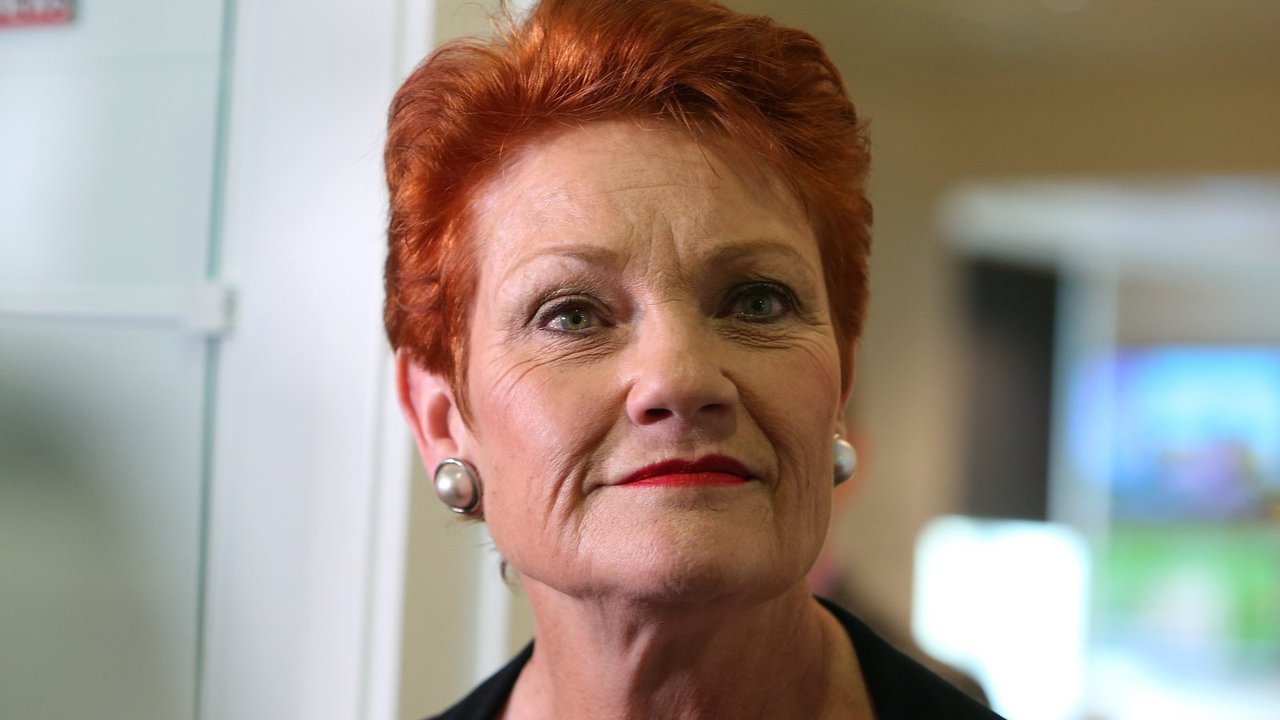
The backlash quickly became intense.
For supporters of Hanson, Dutton’s comments reflected what many conservative voters have believed for years. They argue Pauline Hanson has survived politically because she consistently raises issues large sections of the population feel are ignored or dismissed by major parties and elite institutions.
Topics involving immigration, cost of living, national identity, housing pressure, crime, cultural division, and distrust toward political elites have all fueled Hanson’s long political survival. Even critics acknowledge she has remained one of the most recognizable and emotionally influential political figures in Australia for decades.
That endurance alone has become politically significant.
Political analysts say Dutton’s remarks may reveal growing anxiety inside the Coalition about shifting conservative voter dynamics. Across Australia, frustration with rising living costs, housing affordability, energy prices, and institutional distrust has increasingly pushed some voters toward anti-establishment political movements.
One Nation has repeatedly benefited from those frustrations, particularly in regional areas and outer suburban communities where voters often feel disconnected from mainstream political leadership.
That growing support creates major strategic problems for the Liberal Party.
If Coalition leaders attack Hanson too aggressively, they risk alienating conservative voters already frustrated with establishment politics. But if they appear too sympathetic toward Hanson’s messaging, they risk backlash from moderates and centrist voters uncomfortable with populist rhetoric.
Dutton now appears trapped inside that balancing act.
Some commentators believe the Opposition Leader’s remarks may have been an attempt to acknowledge political realities without fully endorsing Hanson’s positions. Others believe the comments reflected a deeper shift already taking place inside Australia’s conservative political movement.
Either way, the reaction revealed just how emotionally charged Pauline Hanson’s role in Australian politics remains.
Critics immediately accused Dutton of normalizing political division and helping push Australia further into culture-war politics. Progressive commentators argued Hanson built much of her influence by provoking fear, resentment, and social tension around immigration and identity issues.
For them, any mainstream acknowledgment of her influence carries dangerous consequences.
Supporters strongly reject that interpretation. They argue Hanson’s longevity reflects genuine voter concerns ignored by political elites for years. From their perspective, Hanson survives politically not because Australians suddenly became more extreme, but because many ordinary voters increasingly feel disconnected from mainstream institutions and major parties.
That frustration has only intensified during recent economic pressures.
The debate surrounding Hanson also touches a broader global trend reshaping Western politics. Across Europe, North America, and parts of Asia, populist and anti-establishment political figures continue gaining traction by challenging traditional political consensus and speaking directly to voter frustrations.

Australia is not isolated from those trends.
Many voters increasingly distrust media organizations, government institutions, major corporations, and political establishments they believe have become disconnected from everyday life. In that environment, politicians willing to openly confront controversial issues often gain strong emotional loyalty from supporters.
Pauline Hanson has spent decades building precisely that kind of political identity.
What makes the current moment particularly important is that even her political opponents now appear forced to acknowledge her staying power. For years, many establishment figures assumed Hanson’s influence would gradually disappear as political conditions changed.
Instead, the opposite may be happening.
One Nation continues maintaining relevance in national debate despite enormous political pressure, media criticism, and repeated predictions of collapse. Hanson herself has become one of Australia’s most durable political figures, surviving controversies that likely would have ended many other careers.
That resilience appears to be exactly what Dutton referenced.
Some analysts believe the real significance of his remarks lies less in Hanson personally and more in what her continued influence says about Australia’s political mood. Voter anger, distrust, and dissatisfaction remain deeply embedded across large sections of the country.
That creates opportunities for anti-establishment figures capable of channeling frustration emotionally and directly.
The Coalition understands that danger well. Growing conservative fragmentation could become a serious electoral threat if One Nation continues pulling support away from Liberal candidates in key seats. Labor could potentially benefit from divided conservative voting even without dramatically increasing its own support.
That possibility reportedly worries Liberal strategists significantly.
At the same time, Hanson’s supporters increasingly believe the political establishment underestimated her influence for too long. They argue many issues she raised years ago — immigration pressure, housing affordability, energy costs, and national identity — have now become mainstream national concerns.
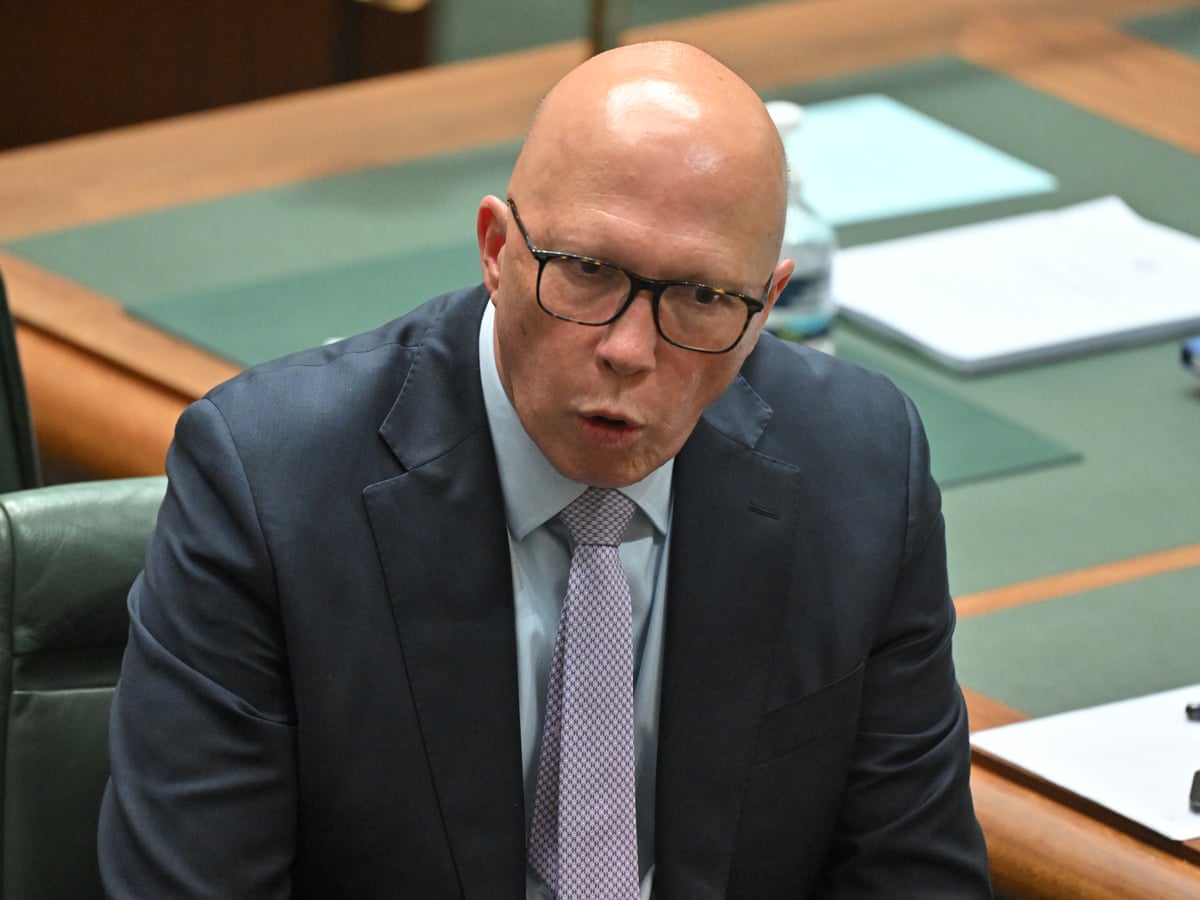
Whether Australians agree with her solutions or not, her ability to shape political conversation remains undeniable.
The emotional reaction to Dutton’s comments revealed something else as well: Australia’s political environment is becoming more polarized, more emotionally charged, and increasingly driven by identity and cultural conflict.
Debates that once remained at the edges of politics are now moving directly into the mainstream.
That shift is transforming how major parties approach voter dissatisfaction. Politicians can no longer easily dismiss anti-establishment voices as temporary protest movements. Large numbers of Australians increasingly want leaders who appear willing to confront institutions, challenge political norms, and openly discuss controversial topics.
Hanson built her career precisely around that approach.
Now many observers believe Dutton’s remarks accidentally confirmed something Australia’s political establishment long resisted admitting publicly:
Pauline Hanson may no longer simply be a controversial political figure operating outside mainstream politics.
She may now represent one of the most influential forces reshaping Australia’s conservative political future.






