In a striking move on the sidelines of Ottawa’s major defence expo, Germany has thrust itself into the heart of Canada’s critical submarine procurement race. Defence Minister Boris Pistorius confirmed Berlin’s willingness to redirect vessels from its own fleet to meet Ottawa’s urgent timeline.
This isn’t just another arms deal. Two NATO allies, Germany and Norway, are offering to step back in their own production lines so Canada can move forward with modern Type 212CD submarines. The proposal addresses a pressing gap as Canada’s Victoria-class fleet nears retirement by 2035, with only one boat currently operational.
Canada’s vast coastline demands reliable underwater surveillance. Without a capable submarine fleet, the country sails partially blind in strategically vital Arctic and Atlantic waters. The procurement, potentially worth over $80 billion including lifetime support, will shape Canada’s defence posture for decades.
The German-Norwegian bid centres on the Type 212CD, a proven design tailored for cold, contested seas similar to Canada’s northern approaches. Unlike a purely foreign sale, this offers deep partnership with allies already operating the same platform in challenging environments.
For months, South Korea’s Hanwha Ocean held an edge with promises of faster delivery. Their KSS-III submarines could arrive by 2035. Germany’s latest commitment matches that pace by reallocating two boats from German and Norwegian orders, with two more prioritised soon after. Pistorius expressed full confidence in ThyssenKrupp Marine Systems (TKMS) delivering four vessels by 2036.
This gesture raises eyebrows across defence circles. Allies rarely surrender production slots. Pistorius framed it as strengthening NATO’s collective security rather than weakening Germany’s navy. The high north, Arctic, and North Atlantic represent shared threats where allied capabilities matter most.
Beyond the hulls, Germany’s pitch extends into a comprehensive economic partnership. Proposals include carbon capture facilities in Alberta, transforming Manitoba’s Port of Churchill into an export hub for LNG and critical minerals, and building submarine maintenance centres on both Canadian coasts.
TKMS promises local manufacturing of propulsion systems, batteries, heavy torpedoes, and even hypersonic missile testing facilities. Teaming agreements with Indigenous development organisations signal long-term commitment to inclusive growth across Canada.
Economic projections are eye-catching. Germany’s package could inject $86 billion into the Canadian economy and generate the equivalent of 654,000 job years. Near-term impacts include up to 50,000 jobs annually in the first five years. South Korea counters with over $70 billion in trade and investment plus 25,000 jobs yearly through 2044.
The contrast in approach is telling. While Hanwha deployed a KSS-III submarine to Victoria as a visible demonstration, Germany emphasises substance over spectacle. Pistorius stressed strategic depth and NATO alignment rather than flashy promotions.
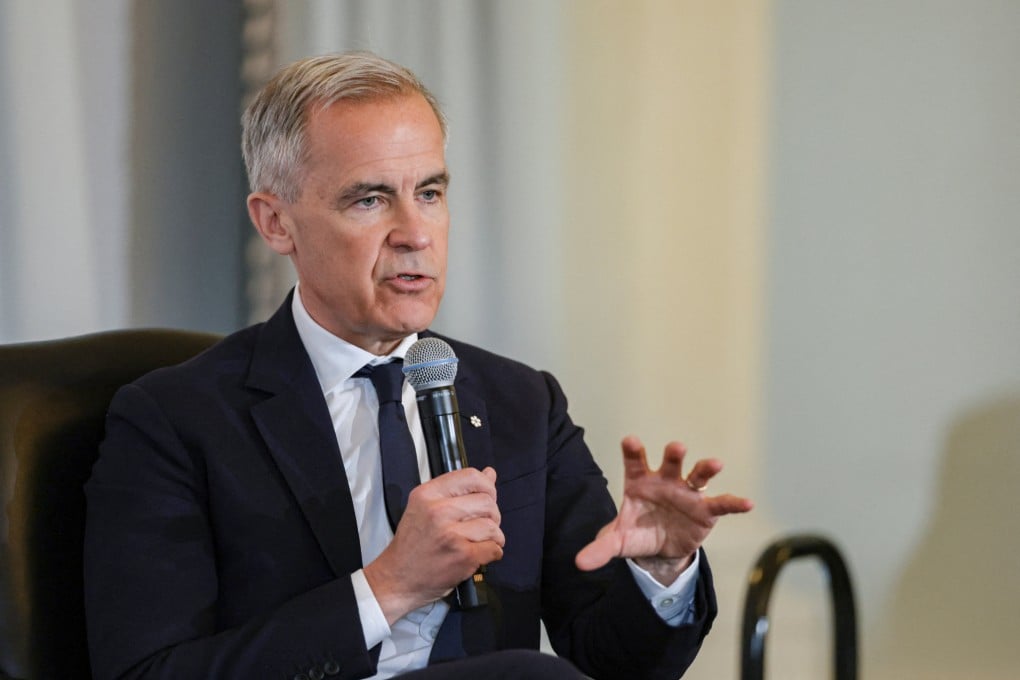
Prime Minister Mark Carney has acknowledged both options meet military requirements. The decision will hinge on broader economic benefits and partnership quality. Carney’s prior visit to TKMS facilities in Kiel, where he light-heartedly examined a model submarine, hints at personal rapport.
Defence analyst Philippe Lagassé notes the geopolitical fork. Selecting the German option would deepen ties with Nordic and European Arctic defenders including Norway, Sweden, Denmark, Finland, and Germany. A Korean choice might signal greater Indo-Pacific openness.
This procurement isn’t merely transactional. It reflects Canada’s evolving place in a shifting world. With great power competition intensifying, particularly in the Arctic, submarine capability represents both deterrent and diplomatic tool.
The government aims to decide by end of June. Both bidders have submitted ambitious offers after Ottawa played the competition astutely. Canada has become the coveted partner rather than just a buyer.
Germany positions itself as offering more than steel and technology. It proposes joining a strategic family bound by shared values, Arctic challenges, and transatlantic security. Norway’s participation reinforces this multilateral flavour.
Critics question whether Germany can truly deliver without impacting its own readiness. Pistorius counters that allied strength ultimately bolsters every member’s security. The Type 212CD’s air-independent propulsion and stealth features suit Canada’s silent patrol needs perfectly.
Industrial offsets form a crucial battleground. Canadian shipyards and suppliers stand to gain significantly from either bid. However, Germany’s front-loaded investments promise quicker economic visible impacts with projects starting within two years.
Public interest remains high across the country. From Halifax to Esquimalt, Canadians recognise the stakes for sovereignty and jobs. The Victoria-class replacement has lingered as a procurement challenge for years.
As decision day approaches, Ottawa weighs capability, cost, timing, and strategic alignment. Both contenders bring strengths. The German bid leans heavily on alliance interoperability while the Korean emphasises rapid delivery and Pacific experience.
Whatever choice emerges, Canada’s underwater fleet will gain modern capabilities essential for 21st-century defence. The process itself demonstrates sophisticated bargaining that extracted maximum value from global suppliers.
This contest highlights Canada’s growing leverage as an Arctic power and NATO member. Allies court Ottawa not just for contracts but for partnership in an increasingly contested region. The submarine decision will echo in boardrooms and command centres worldwide.
Analysts like Dave Perry of the Canadian Global Affairs Institute praise the government’s handling. By maintaining close competition, Canada secured enhanced offers benefiting taxpayers and industry alike.
The coming weeks promise intense lobbying and final clarifications. Canadians deserve transparent discussion about how this shapes our security and prosperity for generations.
Germany’s willingness to prioritise Canada’s needs sends a powerful signal of commitment. Whether Ottawa ultimately selects TKMS, Hanwha, or even a split arrangement, the outcome will define defence industrial strategy for decades.
The stakes extend beyond submarines to Canada’s broader industrial renaissance and place among trusted allies. In this high-stakes game, every element from steel to strategic alignment matters profoundly.






