China ‘Sending a Message’ to U.S. by Deepening Ties With Canada, Experts Say
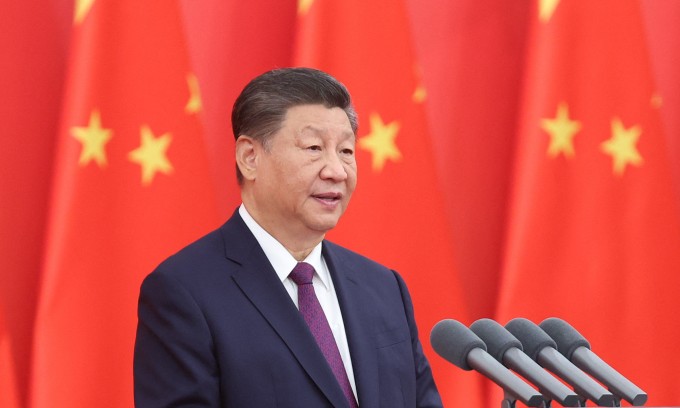
OTTAWA — China’s Foreign Minister Wang Yi arrived in Canada on Tuesday for a three-day official visit, the first by a Chinese foreign minister in more than a decade, signaling a notable thaw in bilateral relations even as Ottawa navigates strained ties with Washington.
The visit follows Prime Minister Mark Carney’s earlier trip to China and comes amid Ottawa’s broader effort to diversify its international partnerships at a time of heightened trade tensions with the United States.
A Calculated Reset
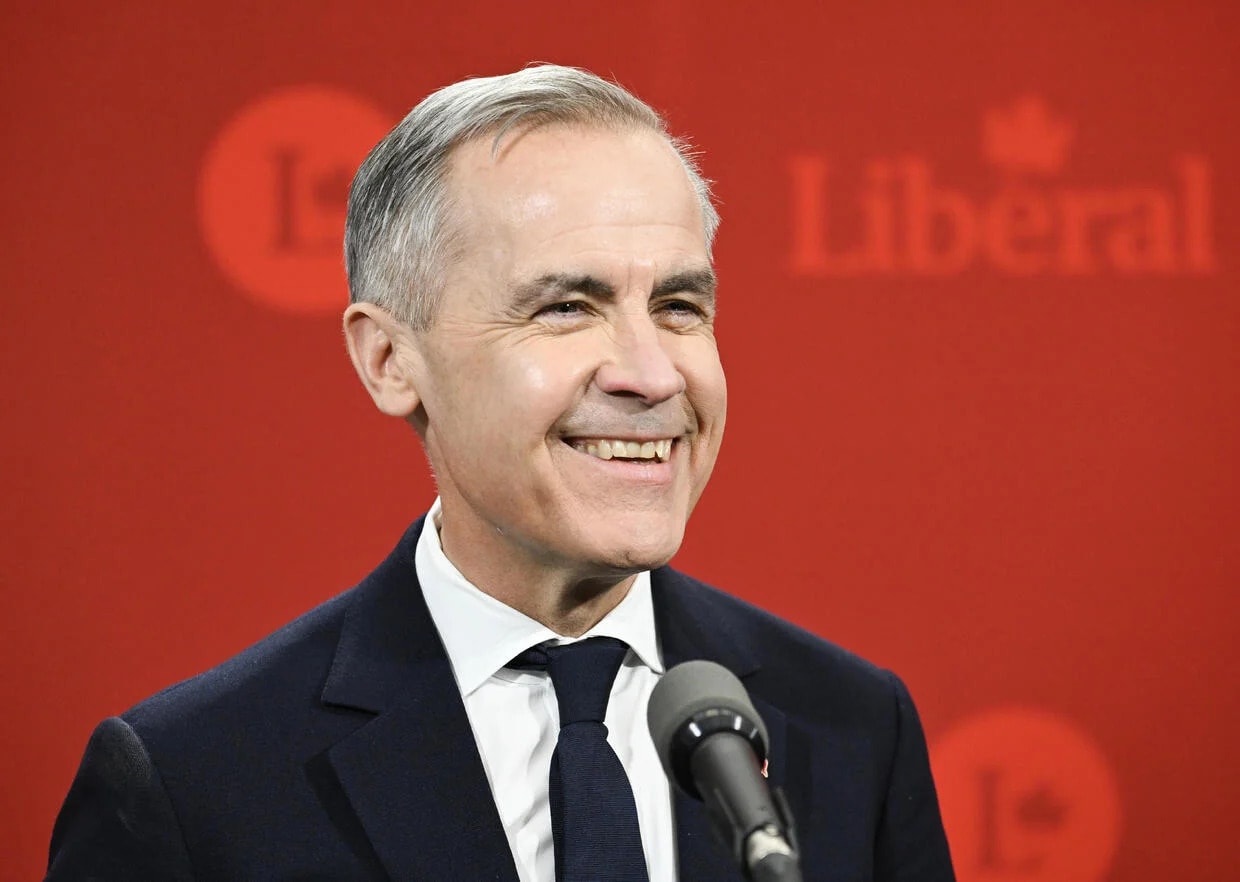
Speaking to the Economic Club of New York earlier this week, Mr. Carney described his China visit as a “basic reset” of diplomatic relations that had deteriorated under previous tariffs and disputes.
He acknowledged the need for dialogue with Beijing on major global issues while emphasizing the complexities of the relationship.
Strategic Messaging
Vina Najabula, vice president of research and strategy at the Asia-Pacific Foundation of Canada, described the Wang Yi visit as significant not only for bilateral ties but also for its geopolitical signaling.
“It shows that China cares about this relationship and wants to advance the new partnership,” she said. “This is also messaging to Washington about Canada and China getting closer together.”
Triangulation Diplomacy
Canadian officials appear to be pursuing a delicate balancing act — often described as “triangulation” — between maintaining vital economic access to the United States while expanding engagement with China and other partners.
Mr. Carney has spoken publicly about strengthening certain sectors with the U.S. under a “fortress North America” framework, even as Canada explores deeper commercial ties with Beijing in areas such as energy, agriculture and critical minerals.
Acknowledging Imbalances
In his New York address, Mr. Carney highlighted structural economic imbalances with China, noting that the country produces around 40 percent of certain industrial goods but consumes only about 16 percent.
Such comments reflect Ottawa’s effort to appear pragmatic rather than naive in its engagement with Beijing.
Security and Principles
Canada continues to assert independence on sensitive security matters. In recent weeks, a Canadian naval vessel transited the Taiwan Strait despite warnings from Beijing — a move analysts say was intended to signal that Canadian policy toward Taiwan and democratic partners in the Indo-Pacific will be decided in Ottawa, not dictated from abroad.
Economic Opportunities, Security Risks
The visit coincides with renewed trade overtures. An Indian trade delegation visited Canada earlier this week, underscoring Ottawa’s multi-pronged diversification strategy.
Yet experts caution that deepening economic ties with authoritarian powers carries risks. Recent intelligence reports have highlighted foreign interference activities by China, India, Iran and Russia on Canadian soil.
Public Accountability Needed
Ms. Najabula emphasized the importance of balancing private diplomacy with public transparency.
“Private diplomacy matters, but in a democracy you also need public trust and accountability,” she said. “Canadians need clarity on guardrails — which sectors are open for investment and which are off limits.”
Testing Principled Pragmatism
The Wang Yi visit is expected to test the Carney government’s stated policy of “clear-eyed” and “principled pragmatism” toward China.
Discussions are likely to cover trade expansion, investment screening, foreign interference and regional security issues.
Washington Watches Closely
The timing of these developments has not gone unnoticed in Washington. As U.S.-Canada relations remain strained by tariffs and other disputes, China’s outreach to Ottawa is viewed by some analysts as an attempt to create daylight between two longtime allies.
A Long-Term Balancing Act
For Canada, the challenge is substantial. Roughly 70 percent of its trade still flows to the United States, and geographic reality makes full decoupling impossible.
Yet Mr. Carney’s government is betting that strategic diversification can reduce vulnerabilities without sacrificing essential market access.
Broader Geopolitical Context
The moves fit into a larger global pattern. Many American allies are hedging against uncertainty in U.S. policy by strengthening alternative partnerships.
Canada’s approach — deepening ties with both China and traditional democratic partners — reflects the complex realities of middle-power diplomacy in an era of intensifying great-power competition.
Implementation Will Be Key
While rhetoric around reset and diversification has been clear, implementation remains difficult. Upcoming investment summits and trade negotiations will serve as early tests of whether Ottawa can translate ambition into concrete, carefully bounded outcomes.
Domestic and International Implications
Success could position Canada as a more autonomous player on the global stage. Failure risks alienating key partners on either side of the Pacific.
For now, the Wang Yi visit represents another step in Canada’s effort to navigate an increasingly asymmetrical and multipolar world — one where no single relationship can be taken for granted.






