Luxon defends cautious stance on Iran conflict as opposition calls for clearer position
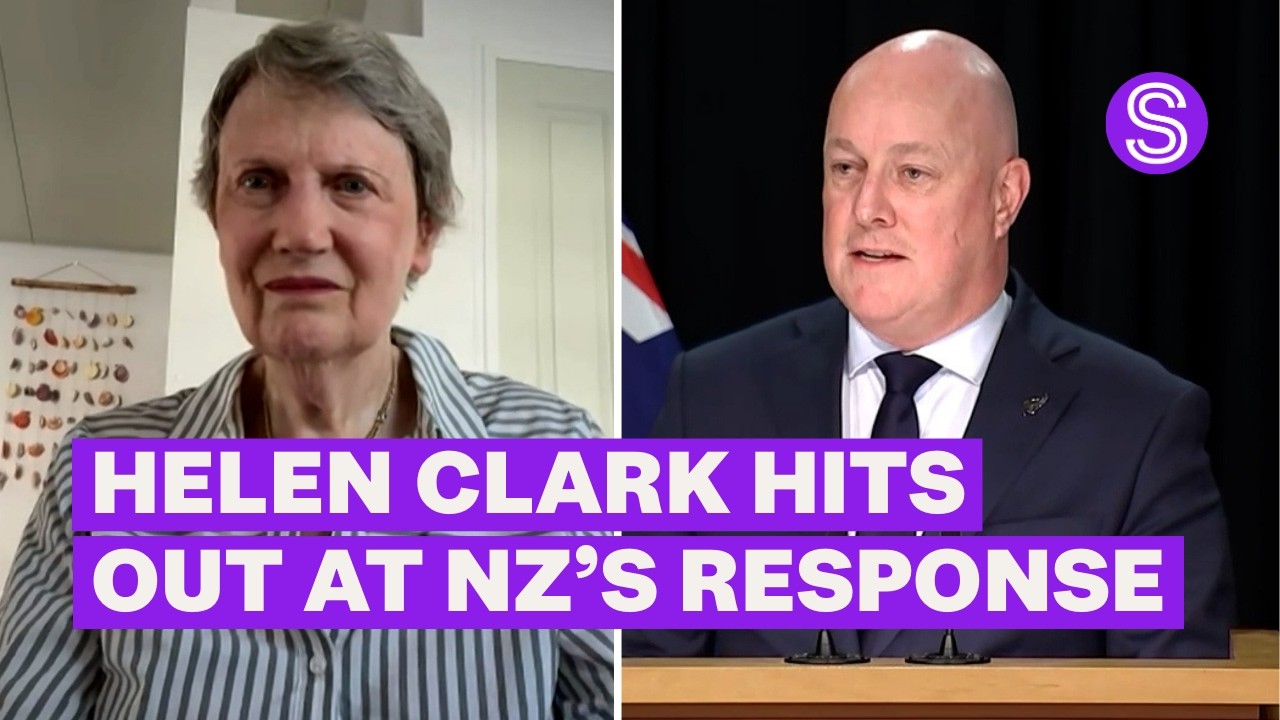
Prime Minister Christopher Luxon has defended the Government’s cautious response to military strikes involving Iran, saying New Zealand is not in a position to immediately judge the legality of actions carried out by the United States and Israel. His comments have prompted political debate over foreign policy, international law, and New Zealand’s traditional role in responding to global conflicts.
The remarks followed questions from journalists regarding whether the Government considered the attacks lawful under international law. Luxon said such determinations were ultimately matters for the countries involved to explain, adding that New Zealand did not possess the same intelligence information available to larger military powers.


The Government’s response has generated significant discussion because New Zealand has historically maintained a strong public emphasis on international law and multilateral diplomacy. Analysts noted that Luxon’s comments represented a more cautious formulation than statements issued by some previous governments during international conflicts. Critics argued that the Government should have adopted a firmer public position regarding legality and civilian protection.
Government ministers have maintained that New Zealand’s priority is reducing escalation and supporting diplomatic engagement rather than making rapid legal judgments from a distance. Coalition representatives said the Government remains concerned about regional stability, civilian safety, and the risk of wider conflict across the Middle East. Ministers also reiterated longstanding opposition to Iran acquiring nuclear weapons.
Luxon’s remarks received mixed political responses. Labour leader Chris Hipkins argued the Government should take a clearer position on the strikes and international law implications. Opposition representatives said New Zealand has historically been willing to publicly defend international legal principles, even when doing so involved criticism of major allies.
Former Prime Minister Helen Clark was among those criticising aspects of the Government’s response, describing the official statement as inadequate and arguing that New Zealand should more directly address questions surrounding legality and diplomatic process. Her comments spurred discussion regarding how New Zealand traditionally positions itself during international crises.
Political analysts say the issue highlights tensions between diplomatic caution and expectations that New Zealand speak clearly on international law matters. Smaller nations often balance relationships with allies against their broader commitment to multilateral institutions and rules-based frameworks. Analysts suggested Luxon was attempting to avoid escalating diplomatic tensions while maintaining consistency with coalition foreign policy settings.
The Government also faced scrutiny after Luxon suggested that actions preventing Iran from obtaining nuclear weapons were “a good thing,” remarks he later clarified after criticism from opposition figures and commentators. Luxon subsequently stated he had “misspoke” when using the phrase “any actions,” emphasising that New Zealand does not support unlawful or unrestricted military activity.
Political commentators noted that the Prime Minister’s wording became a central focus because New Zealand governments are traditionally expected to communicate carefully on foreign policy and international conflict. Analysts argued that ambiguity surrounding legal questions can create political vulnerability, particularly when civilian casualties and international law concerns dominate international coverage.
Coalition dynamics also attracted attention during the debate. Foreign Minister Winston Peters and Luxon issued joint statements acknowledging the strikes while condemning Iranian retaliatory attacks and calling for diplomacy. However, later reporting suggested internal disagreement regarding how strongly New Zealand should publicly align itself with allied positions.
Public reaction in New Zealand has been divided. Some commentators supported the Government’s cautious diplomatic language, arguing that smaller countries should avoid making definitive judgments without access to full intelligence assessments. Others argued New Zealand should take a stronger moral and legal position consistent with previous foreign policy traditions, particularly regarding civilian protection and international law.
International law experts interviewed across New Zealand media said determining legality in modern military conflicts is often complex and dependent on classified intelligence, treaty obligations, and competing legal interpretations. However, several analysts argued that governments can still articulate principles regarding proportionality, civilian safety, and adherence to international humanitarian law without making definitive legal rulings.
The issue has also spurred discussion about New Zealand’s independent foreign policy identity. Historically, governments from different political traditions have emphasised diplomacy, multilateralism, and support for international institutions. Analysts say the current debate reflects wider public questions about how closely New Zealand should align itself with the positions of traditional allies during global security crises.
Opposition MPs continued questioning whether the Government’s messaging had been sufficiently clear and consistent. They argued that public confidence in foreign policy depends partly on transparent communication regarding international principles and humanitarian concerns. Coalition MPs responded that responsible diplomacy sometimes requires restraint and careful language rather than immediate public declarations.
Media coverage focused heavily on Luxon’s interviews and press conference exchanges, with journalists repeatedly seeking clarification regarding legality, civilian casualties, and New Zealand’s diplomatic stance. Analysts noted that foreign policy issues can quickly become politically sensitive when governments appear uncertain or inconsistent in public messaging.
Business and economic observers have also monitored developments due to concerns about potential effects on global markets, energy prices, and regional stability. Luxon acknowledged uncertainty regarding possible economic impacts while stressing that New Zealand was continuing to assess international developments carefully.
The broader debate reflects the challenges facing governments responding to fast-moving international conflicts in highly connected media environments. Statements made during press conferences can rapidly shape domestic political narratives, particularly when foreign policy issues intersect with questions about leadership, communication, and national identity.
Ultimately, the controversy surrounding the Government’s Iran comments highlights competing expectations placed on New Zealand leaders during international crises. Some expect clear public judgments rooted in international law, while others support a more cautious diplomatic approach focused on stability and strategic restraint. As conflict in the region continues, scrutiny of New Zealand’s foreign policy position is likely to remain intense.






