Hipkins and Swarbrick signal closer opposition alignment amid political debate over strategy
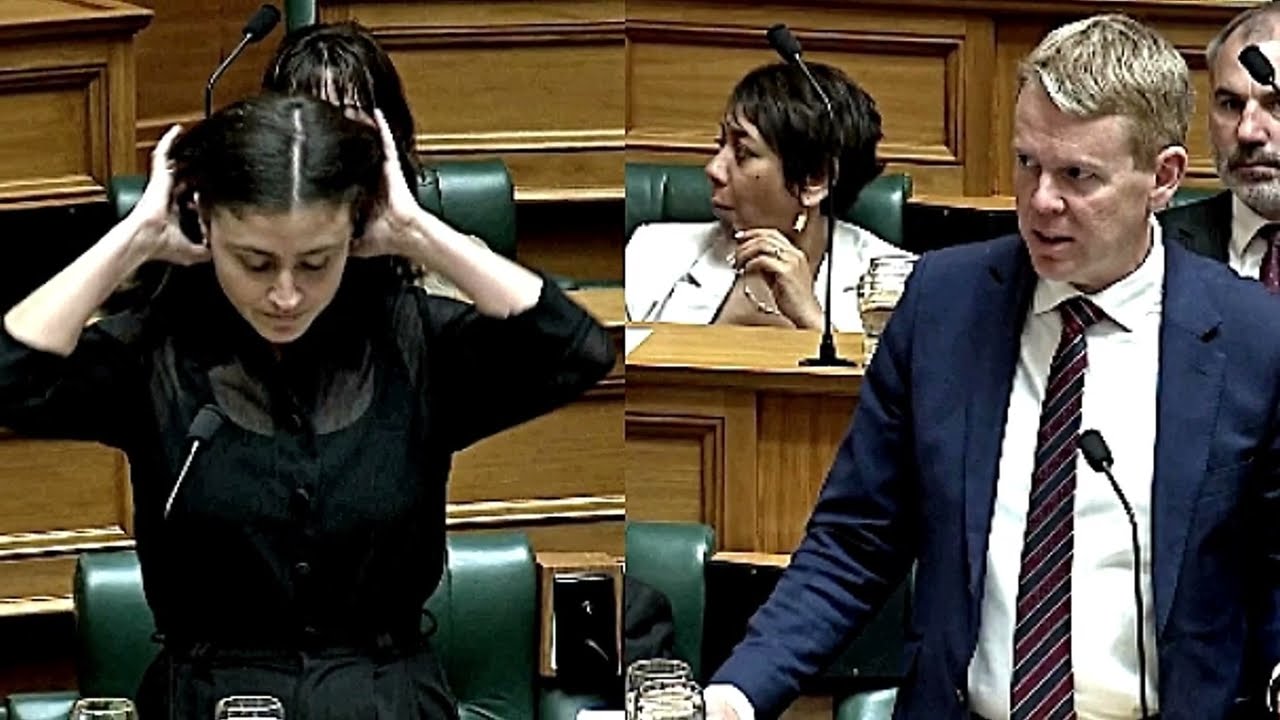
The reported alignment between opposition figures has become a focal point of political discussion in Wellington as commentators examine the implications of Labour and Green Party cooperation in Parliament. The development involves Labour leader Chris Hipkins and Green co-leader Chlöe Swarbrick, with analysts suggesting it reflects broader coordination on selected policy areas rather than any formal governing arrangement. The Government has responded cautiously, saying it will continue focusing on its economic and public service agenda. Political observers note that such moments often intensify scrutiny of opposition strategy and messaging.


Political discussion around the reported alignment has prompted wider commentary on the state of opposition politics in New Zealand as parties position themselves ahead of future electoral contests. The Government says it will treat any informal cooperation between opposition parties as part of normal democratic process while maintaining focus on policy delivery across economic and social sectors Opposition MPs argue that collaboration on issues such as housing and climate reflects voter concern rather than strategic manoeuvring Analysts note that such developments can influence media narratives and public perception of political momentum across government and opposition communications this week period analysis
Analysts suggest that any cooperation between Labour and the Green Party remains focused on issue based coordination rather than formalised arrangements, with both parties seeking to highlight shared positions on environmental policy, housing affordability, and public service investment. Political commentators say that while such alignment can strengthen opposition messaging, it also raises questions about policy differentiation and electoral identity. The Government maintains that coalition stability and economic management remain its central priorities, arguing that voters will ultimately assess performance based on cost of living pressures and service delivery outcomes over the parliamentary term.
Government ministers say that reported cooperation between opposition figures is a matter for those parties and does not alter the Government’s focus on economic stability and public service delivery. Officials argue that political alignment among opposition MPs is a routine feature of parliamentary systems and should be viewed within normal democratic practice. Ministers also emphasise that fiscal policy, healthcare delivery, and infrastructure investment remain the core priorities of the administration. They maintain that ongoing economic pressures require consistent policy execution rather than reacting to opposition positioning. Coalition representatives say they will continue monitoring parliamentary debate while maintaining legislative programme commitments across government departments and agencies.
Labour leader Chris Hipkins and Green co-leader Chlöe Swarbrick have not confirmed any formal arrangement, but both parties have previously indicated willingness to cooperate on specific policy areas where alignment exists. Political observers note that collaboration between opposition parties can vary from informal coordination to structured agreements depending on parliamentary context. The discussion has prompted renewed attention on how opposition parties position themselves against a coalition Government. Analysts say that while cooperation may strengthen messaging, it also requires careful management to avoid perceptions of strategic consolidation that could blur party distinctions during election periods and public policy debates nationally currently
Government representatives say they will not be drawn into speculation about opposition cooperation, instead focusing on legislative priorities and economic management. Ministers argue that voters expect stability and delivery on key policy commitments including healthcare, education, infrastructure, and public safety. They maintain that political positioning between opposition parties does not alter the Government’s responsibility to govern effectively. Officials also note that parliamentary debate is a normal part of democratic process and that differing party strategies are expected. Coalition MPs say they remain committed to their agreed programme and will continue advancing policy work through established Cabinet and parliamentary processes.
Political analysts say the reported cooperation highlights ongoing fragmentation and realignment within opposition politics, where parties often seek shared ground on key issues while maintaining distinct identities. They note that such dynamics are common in proportional representation systems like New Zealand’s, where coalition building and cross party cooperation can influence policy debates. Analysts also suggest that media framing of political alignment can amplify perceptions of strategic coordination even when arrangements remain informal. The situation is likely to continue evolving as parties refine their messaging and prepare for future electoral cycles, with attention remaining on policy rather than organisational structure overall context nationally currently evolving
Policy implications of increased opposition coordination remain under discussion among analysts, who suggest that clearer alignment between Labour and the Greens could influence legislative negotiations and public debate on key issues. However, officials emphasise that Government policy direction is determined within Cabinet and coalition agreements rather than opposition positioning. Experts note that while opposition unity can shape parliamentary messaging, it does not directly alter executive decision making. The situation is therefore viewed as politically significant but institutionally limited, with long term outcomes depending on electoral results, party strategies, and voter responses across future political cycles nationally overall continuing analysis update
Analysts highlight that opposition coordination is likely to remain a feature of New Zealand politics given the proportional representation system and the incentives for parties to cooperate on selected policy areas. They argue that such dynamics can influence parliamentary negotiation processes and public messaging strategies, particularly during periods of heightened political competition. However, they also caution that the impact of coordination depends on how clearly parties maintain separate identities and policy platforms. The Government maintains that its focus remains on delivery and economic management while opposition parties continue refining their approaches to cooperation and competition within Parliament over time moving forward overall
Public reaction has been varied, with some members of the public interpreting reported opposition cooperation as a practical response to shared policy priorities, while others express concern about potential consolidation of political messaging. Discussions in media commentary and community forums reflect broader interest in how opposition parties operate within New Zealand’s proportional representation system. Analysts note that public attention to such developments often competes with concerns about cost of living, healthcare, and housing affordability. The issue is therefore one element of a wider political landscape shaped by multiple pressures affecting voter sentiment across the country overall ongoing national debate currently
Opposition MPs continue to emphasise that cooperation between parties does not diminish their distinct policy platforms or political identities. They argue that collaboration on specific issues reflects voter concerns rather than strategic consolidation. Government MPs, however, maintain that such coordination can influence public perception and parliamentary dynamics. Media analysis has focused on whether the reported alignment signals a broader trend in opposition politics or remains an isolated instance of issue based cooperation. Analysts suggest that interpretation will depend on future political developments, electoral strategy decisions, and the evolving relationship between major parties within Parliament overall ongoing context nationally currently evolving
Questions remain about how long-term opposition cooperation may evolve and whether it could lead to more formal arrangements in future parliamentary terms. Political scientists note that New Zealand’s electoral system encourages collaboration between parties while still maintaining distinct identities. Officials say there is no indication of formal coalition discussions between Labour and the Greens at this stage. However, analysts suggest that political cooperation may increase in response to shared policy priorities and electoral strategy considerations. The situation is expected to remain fluid with parties adjusting approaches based on public opinion parliamentary dynamics and broader political conditions nationally overall ongoing analysis update
Uncertainty remains regarding the extent to which opposition cooperation will influence voter behaviour or translate into electoral outcomes. Analysts say that while coordination may improve messaging efficiency its impact on election results is difficult to quantify in advance. Political dynamics are influenced by multiple factors including economic conditions leadership perceptions and policy priorities. The Government maintains that it will continue focusing on governance and delivery regardless of opposition developments. Observers note that New Zealand’s political environment is shaped by both structured party systems and evolving voter expectations making long term predictions inherently complex and subject to change overall nationally currently
Political observers note that the reported cooperation between opposition parties reflects broader trends in New Zealand politics where collaboration on specific issues is increasingly common under proportional representation. They argue that while such cooperation may enhance opposition visibility it does not necessarily translate into formal structural change. Analysts also highlight that Government stability and policy implementation remain unaffected by opposition coordination. The focus remains on legislative delivery economic management and public service performance. However observers say that continued political alignment between opposition parties may influence public debate and campaign messaging leading up to future elections nationally overall ongoing evolving analysis
The reported alignment between opposition figures continues to generate discussion within political circles reflecting broader questions about cooperation strategy and messaging in New Zealand’s parliamentary system. While analysts differ on its significance there is agreement that such developments are part of normal political behaviour in proportional representation systems. The Government maintains its focus on governance and delivery while opposition parties continue refining their approaches. Public interest in these dynamics remains secondary to broader concerns such as cost of living and public services. Overall the situation remains fluid and subject to ongoing political and electoral developments nationally overall analysis continues
Ultimately the reported cooperation between opposition parties highlights the dynamic nature of New Zealand’s political environment under proportional representation. While such developments attract attention from media and analysts they remain part of broader democratic processes involving negotiation alignment and competition between parties. The Government continues to emphasise stability delivery and economic management while opposition parties focus on building effective messaging and policy coordination. Analysts suggest that the significance of these developments will depend on future electoral outcomes and public response. The situation remains under observation as political conditions evolve across Parliament and wider society nationally overall analysis continues evolving






