Jack Smith’s Revelations Send Shockwaves Through GOP as Co-Conspirators Named in Trump Capitol Case
In recent congressional testimony and related disclosures, Jack Smith, the former special counsel who led the Justice Department’s probe into Mr. Trump’s actions surrounding the 2020 election, has reiterated details from his indictment and final report that outline six key figures described as unindicted co-conspirators. These individuals — trusted advisers, attorneys and political operatives close to Mr. Trump — are accused of playing instrumental roles in a multifaceted scheme to subvert the certification of Joe Biden’s victory, including promoting false claims of widespread election fraud, coordinating alternate slates of electors and pressuring officials to alter outcomes.
The names, long pieced together from court filings and public reporting, include prominent Republican figures such as Rudolph W. Giuliani, the former New York mayor and personal lawyer to Mr. Trump; Sidney Powell, a onetime attorney who pushed aggressive legal theories about election irregularities; Kenneth Chesebro, a lawyer who helped devise strategies around fake electors; John Eastman, a constitutional scholar who authored memos arguing for Vice President Mike Pence to block certification; Jeffrey Clark, a former Justice Department official who advocated using the department to challenge state results; and Boris Epshteyn, a political adviser who remained in Mr. Trump’s orbit.
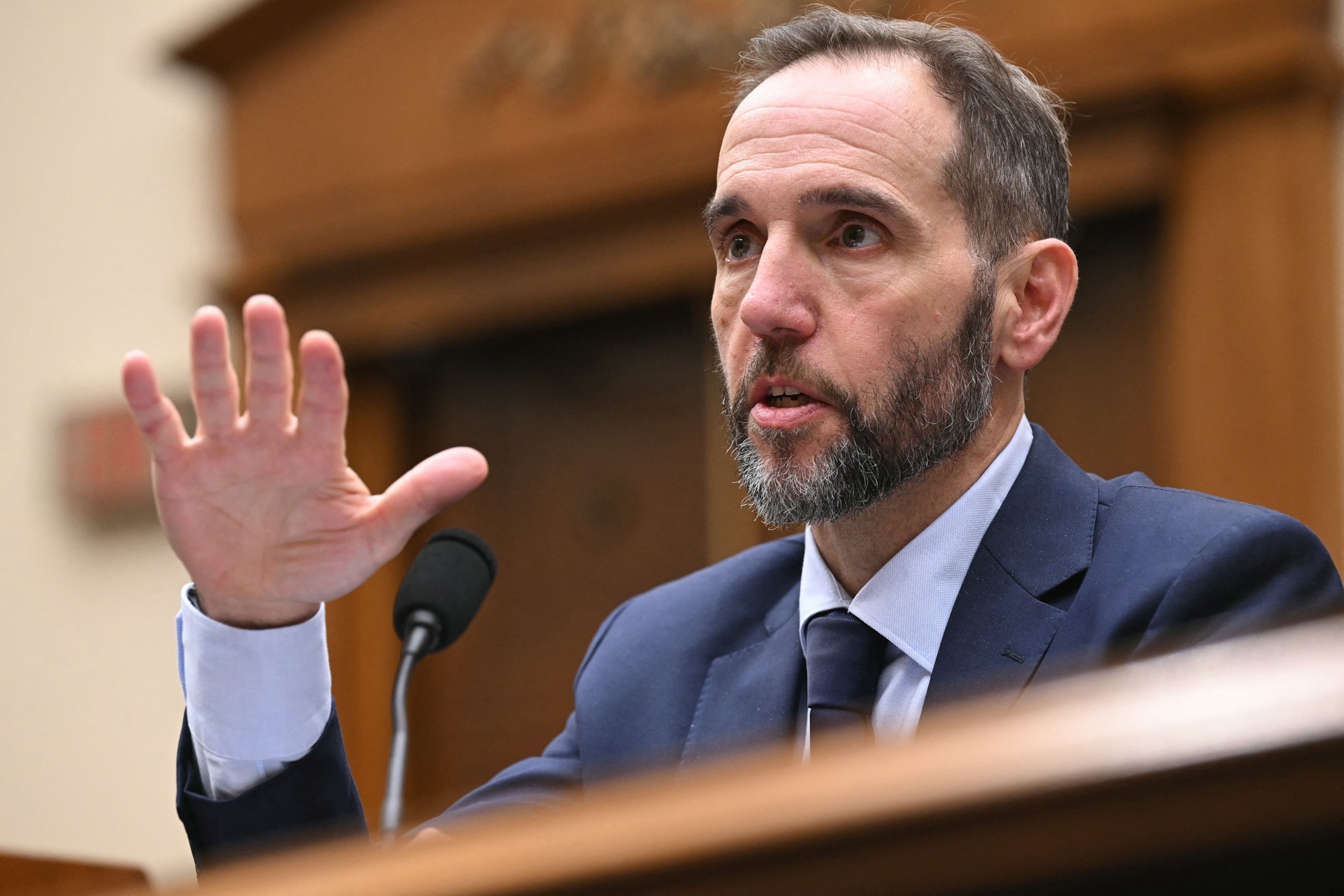
Mr. Smith, testifying before a House committee in early 2026, described these individuals as central to a conspiracy that, in his assessment, would not have advanced without Mr. Trump’s direction and encouragement. “The evidence here made clear that President Trump was, by a large measure, the most culpable and most responsible person in this conspiracy,” Mr. Smith stated during his appearance. “These crimes were committed for his benefit. The attack that happened at the Capitol does not happen without him.”
The disclosures have reignited fierce debate in Washington, with many Republicans expressing alarm over the renewed focus on party figures who operated in Mr. Trump’s inner circle during the chaotic post-election period. Allies of the former president have dismissed the characterizations as politically motivated remnants of a probe that ended without trial following Mr. Trump’s 2024 re-election and the application of longstanding Justice Department policy against prosecuting a sitting president.
The Alleged Scheme: From False Claims to Pressure on Officials
According to the framework laid out in Mr. Smith’s filings and testimony, the alleged co-conspirators collaborated on multiple fronts. Some drafted legal arguments to pressure Mr. Pence into rejecting legitimate electoral votes during the Jan. 6 joint session of Congress. Others helped organize slates of pro-Trump electors in battleground states to create confusion and provide a pretext for delaying or derailing certification.
Mr. Giuliani, for instance, spearheaded public and private efforts to challenge results in key states, while Ms. Powell and Mr. Chesebro advanced theories that fueled lawsuits and public narratives of fraud. Mr. Eastman’s memorandums provided the intellectual scaffolding for challenging the vice president’s role, and Mr. Clark explored ways to involve the Justice Department in supporting state legislative interventions.
These actions, prosecutors argued, formed part of a broader effort that eroded public confidence and set the stage for the mob violence that erupted at the Capitol. Mr. Smith emphasized that Mr. Trump’s direct communications with these individuals — through meetings, calls and directives — underscored his central role.
Reactions in Washington: Shock, Jubilation and Deepening Division
The public airing of these details has elicited a spectrum of responses. Among critics of Mr. Trump, including many Democrats and independent observers, the testimony has been met with a sense of vindication, as it reinforces the narrative that the Jan. 6 events stemmed from coordinated efforts at the highest levels rather than spontaneous unrest. “The hidden truth is finally coming into the open,” some commentators have noted, pointing to the gravity of implicating trusted Republican operatives in what Mr. Smith described as foreseeable criminal conduct.
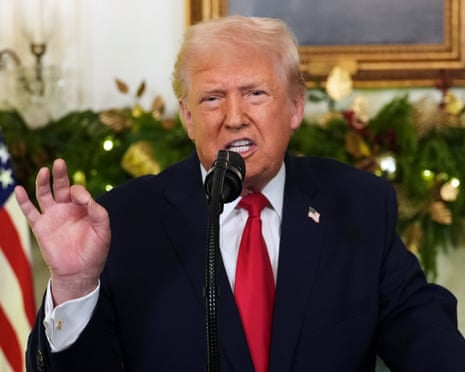
Within Republican ranks, however, the mood has been markedly different. The spotlight on longtime party loyalists has stirred unease, with some lawmakers and strategists privately expressing concern that the ongoing narrative could complicate party unity and midterm prospects. Publicly, many have rallied to defend the individuals involved, portraying them as zealous advocates exercising legitimate political advocacy rather than conspirators.
The fallout continues to unfold against the backdrop of Mr. Trump’s second term, where he has issued broad pardons related to Jan. 6 participants and sought to reframe the events as overblown or politically persecuted. Mr. Smith’s departure from government and the closure of active prosecutions have not quieted the controversy; instead, his congressional testimony has kept the episode at the forefront of national discourse.
As Washington grapples with these revelations, the episode underscores the enduring scars of the 2020 election and its aftermath — a period when institutional norms were tested, alliances strained and the peaceful transfer of power placed under extraordinary pressure. The roles of those who stood closest to power during those turbulent weeks remain a subject of intense scrutiny, with implications that may echo for years to come in American political life.