OTTAWA — A quiet but profoundly destabilizing economic conflict is reshaping the historic partnership between the United States and Canada, catching Washington flat-footed as a powerful combination of Canadian consumer defiance and bold infrastructure planning fundamentally alters the balance of power across the forty-ninth parallel.
For generations, the economic relationship between the two massive North American neighbors was defined by a predictable, deeply comfortable asymmetry, one where Washington wielded immense market leverage and Ottawa consistently accommodated American industrial demands to safeguard its crucial access to wealthiest consumer base on earth.
That long-standing dynamic has shattered with astonishing speed over the last several months, replaced by an aggressive, grassroots-driven Canadian boycott of American consumer goods that has combined with a historic strategic pivot in Ottawa to send shockwaves through corporate boardrooms from California to Texas.
The most immediate, financially painful manifestation of this sudden northern resistance is felt across the rolling vineyards and high-tech distilleries of the United States, where exports of American wine to Canadian distributors have suffered a catastrophic collapse of nearly eighty percent in mere weeks.
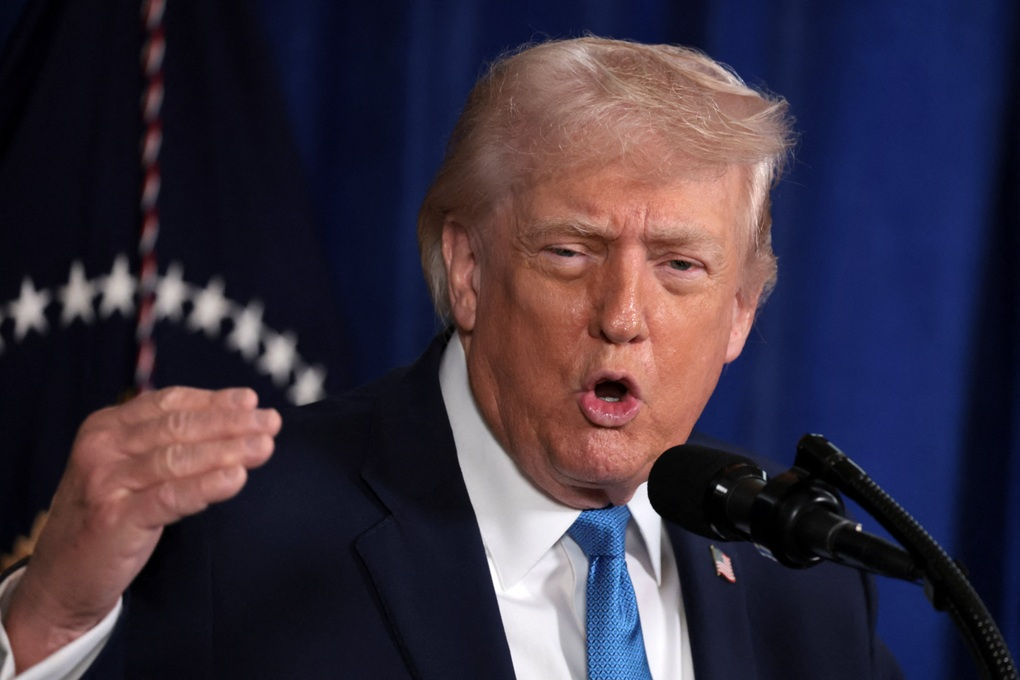
American spirits manufacturers, long accustomed to dominant positions on Canadian liquor store shelves, report even steeper, more devastating revenue plunges, leaving millions of gallons of premium bourbon, rye, and industrial alcohol stranded in domestic warehouses without any viable alternative international buyers lined up.
What terrifies trade officials in Washington far more than the immediate multi-million-dollar balance sheet losses is the unique, highly elusive nature of the disruption itself; this devastating economic penalty is not the product of official Canadian government policy, retaliatory tariffs, or state-directed sanctions.
Instead, the boycott is an organic, highly coordinated public movement circulating through digital spaces and community networks, leaving the United States government with virtually no legal mechanisms, international trade tribunals, or official diplomatic channels through which to effectively counter or penalize the widespread consumer action.
As American agricultural and beverage sectors reel from this unprecedented public backlash, the Canadian government under mounting political pressure is quietly executing a far larger, immensely consequential structural move designed to permanently break Washington’s historic, monopolistic stranglehold over western Canada’s vast, lucrative energy reserves.
At the heart of this geopolitical counter-offensive is an ambitious, rapidly moving infrastructure plan to construct a massive new pipeline corridor capable of transporting up to one million barrels of heavy crude oil per day directly to deep-water ports on the rugged British Columbia coast.
This monumental energy project is explicitly designed to bypass the traditional, highly restrictive American pipeline grid entirely, allowing Canadian energy conglomerates to stream their immense oil sands production directly onto supertankers destined for energy-hungry industrial markets across the rapidly expanding economies of Asia.
For many decades, major American refining complexes along the Midwest corridor and the Gulf Coast enjoyed an incredibly lucrative, structural advantage, processing heavily discounted Canadian crude oil that lacked any alternative logistical pathways to reach competitive global buyers on the open international market.
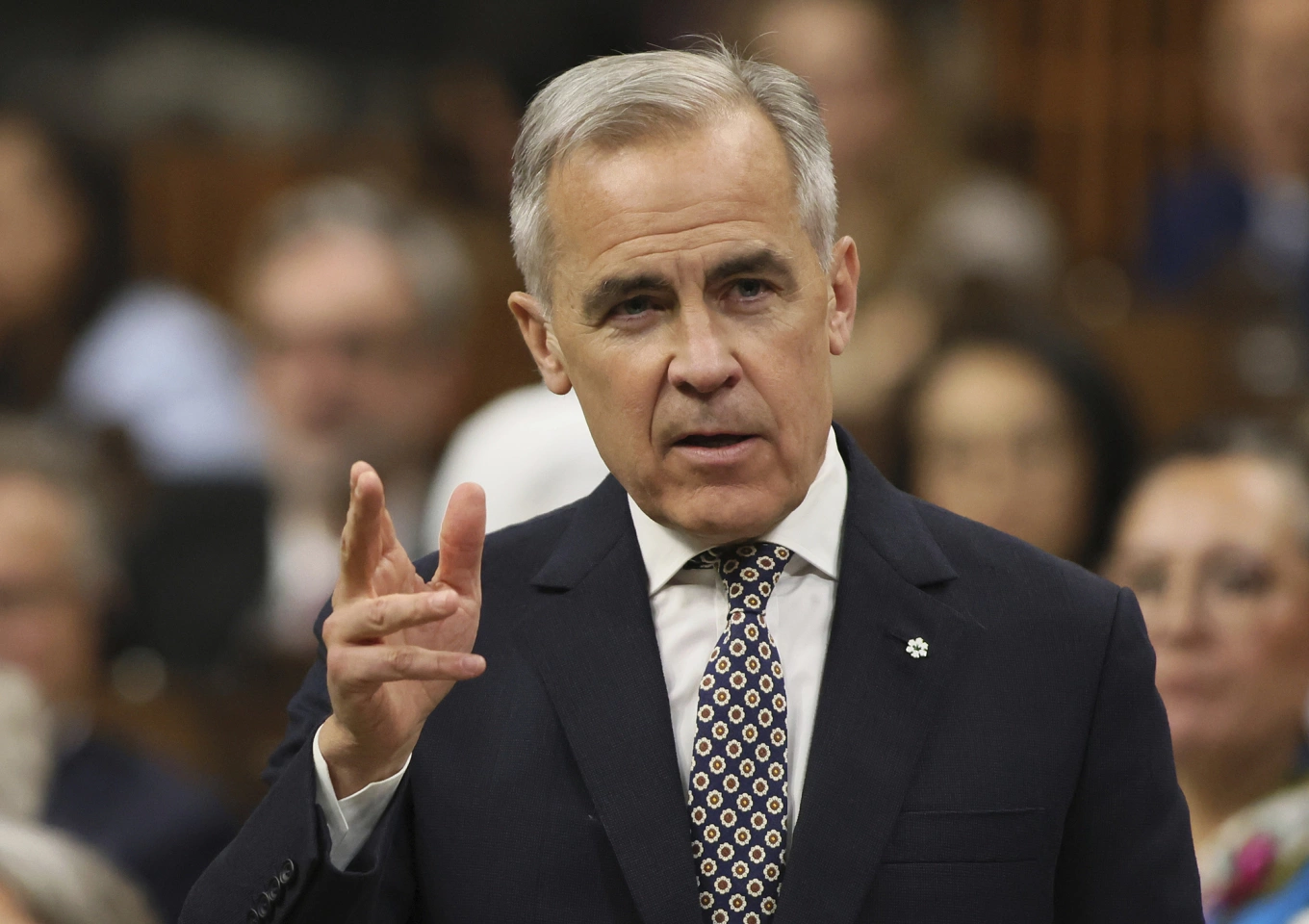
That highly profitable American advantage, which effectively subsidized cheap energy costs across vast swathes of the United States industrial heartland for a generation, is now facing total elimination as Ottawa moves aggressively to diversify its trading partnerships and establish complete logistical independence from Washington.
The escalating situation has rapidly deteriorated into bitter, unusually public political warfare, with frustrated U.S. officials and prominent congressional leaders recently issuing fiery statements that provocatively compare Canada’s sudden, assertive economic maneuvers to the aggressive trading tactics frequently deployed by Beijing.
Canadian leaders, displaying an uncharacteristic, highly resilient diplomatic stoicism, have steadfastly refused to engage with Washington under intense rhetorical pressure, choosing instead to ignore the escalating political threats emanating from the White House while remaining intensely focused on building their alternative trans-Pacific trade routes.
The extraordinary geopolitical drama reached a stunning climax when former central banker Mark Carney, currently serving as a key strategic adviser, received direct, increasingly urgent appeals from Washington begging for high-level intervention to help de-escalate the devastating consumer boycott and stabilize bilateral relations.
The public spectacle of American leadership pleading with Canadian technocrats for economic relief marks a historic, highly symbolic turning point in continental diplomacy, illustrating a profound shift where the traditional tools of American economic coercion are proving utterly ineffective against an adaptable, determined northern neighbor.
This rapidly evolving crisis is no longer a standard, manageable trade dispute over agricultural quotas or regional manufacturing subsidies; it represents a fundamental, permanent realignment of North American economic power that will influence continental politics and resource distribution for many decades to come.
Canada is successfully demonstrating to a stunned international community that true geopolitical strength in the twenty-first century lies not in raw military or financial control, but rather in a nation’s intrinsic ability to rapidly adapt, diversify its core markets, and walk away from historic dependencies.
The economic fallout inside the United States is spreading far beyond the agricultural sector, as major shipping firms, logistics providers, and border communities report a sharp, highly concerning deceleration in cross-border commercial traffic, threatening thousands of regional jobs dependent on seamless northern trade.
Wall Street analysts are quietly revising growth forecasts for prominent American consumer brands, warning that the deep-seated cultural resentment driving the Canadian boycott could easily harden into a permanent consumer preference shift, locked away from American exporters for a generation to come.
In response to the growing domestic crisis, prominent business coalitions in Washington are mounting an intense, heavily funded lobbying campaign, desperate to force the administration to abandon its aggressive, highly confrontational approach toward Ottawa in favor of a traditional, mutually respectful diplomatic framework.
However, trade experts closely monitoring the situation warn that the institutional damage already inflicted upon the bilateral relationship may be entirely irreversible, as Canadian businesses have already begun signing binding, long-term supply contracts with European and Asian maritime transport conglomerates.
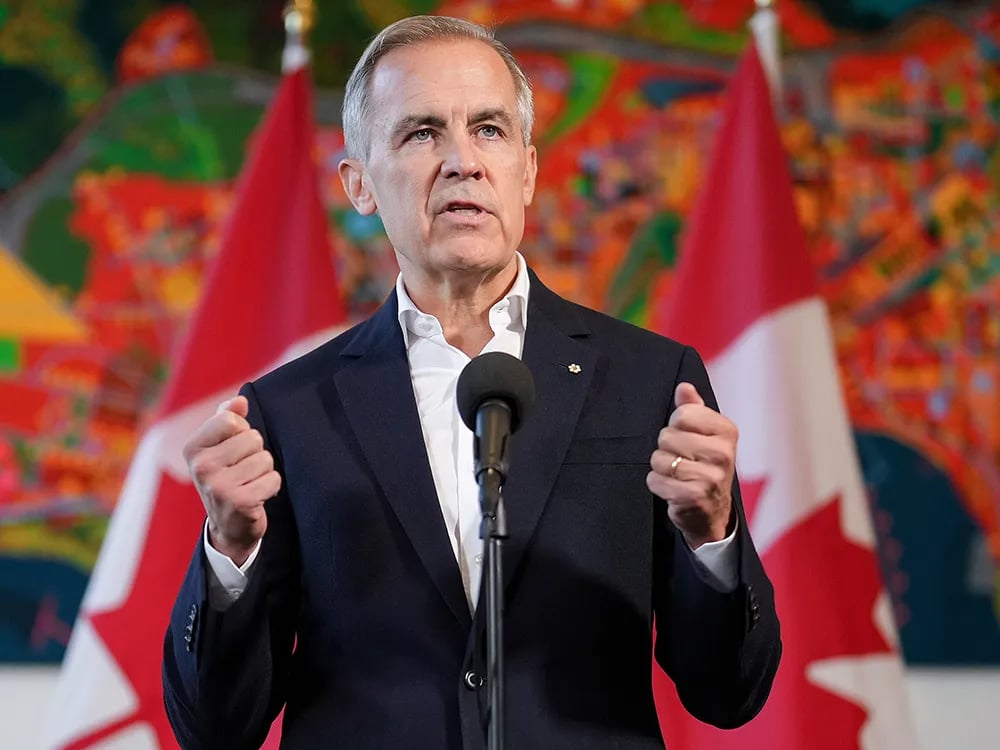
The ambitious pipeline expansion to the Pacific coast is also triggering a profound transformation within Canada’s domestic political landscape, forging an unprecedented, highly powerful alignment of interests between western energy-producing provinces, indigenous corporate partners, and the federal leadership in Ottawa.
This newfound internal cohesion allows Canada to project an unprecedented level of national unity on the international stage, completely undermining Washington’s traditional, highly effective strategy of exploiting regional Canadian political divisions to secure deeply favorable trade concessions during past diplomatic standoffs.
As Asian energy giants watch the escalating continental dispute with intense interest, multi-billion-dollar investment capital is already flowing into Canadian maritime infrastructure projects, accelerated by the realization that Ottawa is fully committed to its historic, long-delayed trans-Pacific pivot.
The geopolitical implications are reverberating through European capitals as well, where trade diplomats are closely analyzing Canada’s successful resistance to American pressure as a potential blueprint for managing their own complex, increasingly volatile commercial relationships with an unpredictable and aggressive Washington administration.
For the United States, the crisis serves as a harsh, deeply humbling lesson in the limits of economic hegemony, proving that even the world’s largest economy cannot easily bully a deeply integrated, highly sophisticated trading partner without suffering immediate, deeply painful domestic consequences.
The legendary, peaceful border between the two nations, long celebrated as the longest undefended frontier in human history, now stands as a stark monument to a deeply fractured economic alliance, where trust has been replaced by cold, calculating strategic competition over vital global resources.
As summer approaches, there are absolutely no indications that the passionate Canadian public intends to ease its punishing boycott, with grassroots organizers utilizing advanced digital platforms to ensure that local consumers remain fully committed to purchasing domestic or non-American alternatives.
Ultimately, the great northern shift of 2026 will be remembered as the moment Canada finally outgrew its historic role as America’s quiet, compliant economic backyard, stepping resolutely onto the global stage as a fully independent, highly resourceful actor capable of charting its own sovereign destiny.






