OTTAWA, Canada — For the first time in nearly a decade, China’s foreign minister has landed on Canadian soil, signaling a tectonic geopolitical shift that positions Prime Minister Mark Carney’s rookie government in direct defiance of Washington’s established economic sphere of influence and protectionist regional trade doctrines.
The sudden, high-stakes arrival of Foreign Minister Wang Yi for an intensive three-day bilateral summit follows months of carefully orchestrated, quiet diplomacy spearheaded by Carney himself, whose earlier ministerial mission to Beijing effectively thawed a freezing diplomatic relationship long defined by systemic distrust.
This bold Canadian diplomatic pivot comes at a remarkably sensitive moment for North American relations, as President Donald Trump’s aggressive tariff regime and volatile economic threats inadvertently force America’s closest northern neighbor to aggressively seek resilient, alternative trade partnerships outside the traditional continental orbit.
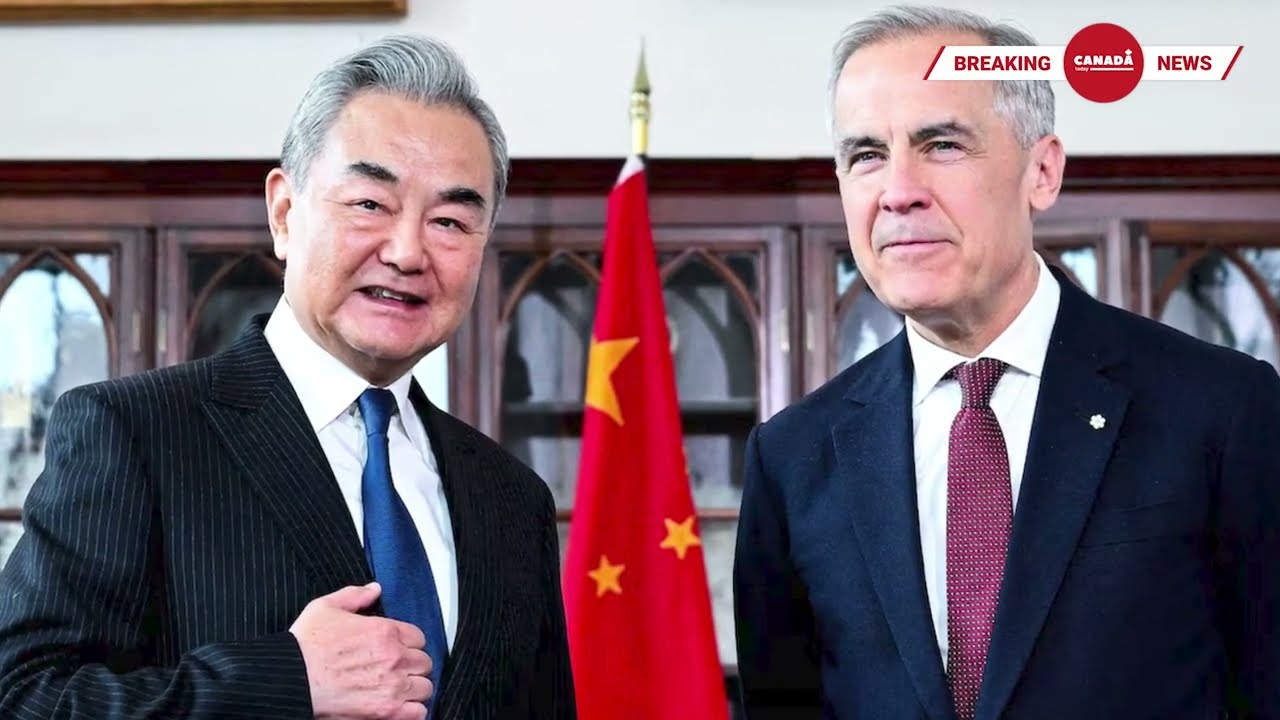
Addressing an elite diplomatic audience in New York, Prime Minister Carney openly defended his administration’s pragmatic strategic realignment, stating plainly that maintaining an absolute lack of direct dialogue with the world’s second-largest economy was no longer a viable option for Ottawa’s long-term sovereign interests.
“Virtually every major geostrategic and economic issue in the modern world requires active engagement with Beijing,” Carney asserted, framing the current ministerial visit not as a radical ideological abandonment of western alliances, but as a completely necessary, basic operational reset of frozen bilateral channels.
The strategic calculus driving Ottawa is audaciously clear: Canada is officially aiming to expand its total export volume to the massive Chinese consumer market by fifty percent over the next four crucial years, an ambitious target designed to buffer the national economy against erratic American economic policy.
Washington is reportedly bristling at the rapidly deepening economic ties between Ottawa and Beijing, yet independent trade analysts note that American protectionism left Canada with virtually no other choice but to hunt for lucrative commercial opportunities within the world’s most populous consumer nations.
The unfolding diplomatic drama represents a fascinating, ironic consequence of Trump’s long-standing pressure tactics; the relentless deployment of punitive tariffs was intended to make Canada increasingly dependent on American markets, but instead accelerated Ottawa’s aggressive diversification toward major Asian economic centers.
Geopolitical leverage functions effectively only when a nation lacks viable structural alternatives, and by actively cultivating deep institutional relationships with both India and China, Carney’s administration is systematically reducing Washington’s historic ability to dictate the terms of continental commerce.
For Beijing, sending one of its most senior, influential statesmen to Canada is an extraordinary public relations triumph, allowing Chinese state media to project an image of growing strategic division and clear diplomatic daylight between Washington and its traditionally loyal, geographically vital northern ally.
“China does not casually dispatch its foreign minister across the globe unless there is a substantial strategic advantage to be secured,” observed a leading international relations scholar, emphasizing that Beijing recognizes immense systemic value in a robust, independent relationship with Ottawa.
The prevailing consensus among veteran trade analysts indicates that if access to a dominant historical market becomes fundamentally unpredictable due to domestic political shifts, sovereign governments must naturally pivot toward alternative global engines of growth to safeguard long-term domestic macroeconomic stability.
Carney’s diversification blueprint does not seek overt geopolitical confrontation with the United States; rather, it prioritizes national economic resilience, ensuring that Canadian corporate prosperity and industrial supply chains are never entirely hostage to protectionist decisions made inside the American capital.
The international community is closely watching this dramatic recalibration, as Canada’s growing strategic importance under Carney’s leadership demonstrates that middle powers can successfully navigate superpower rivalries by expanding their room to maneuver on the complex global diplomatic stage.
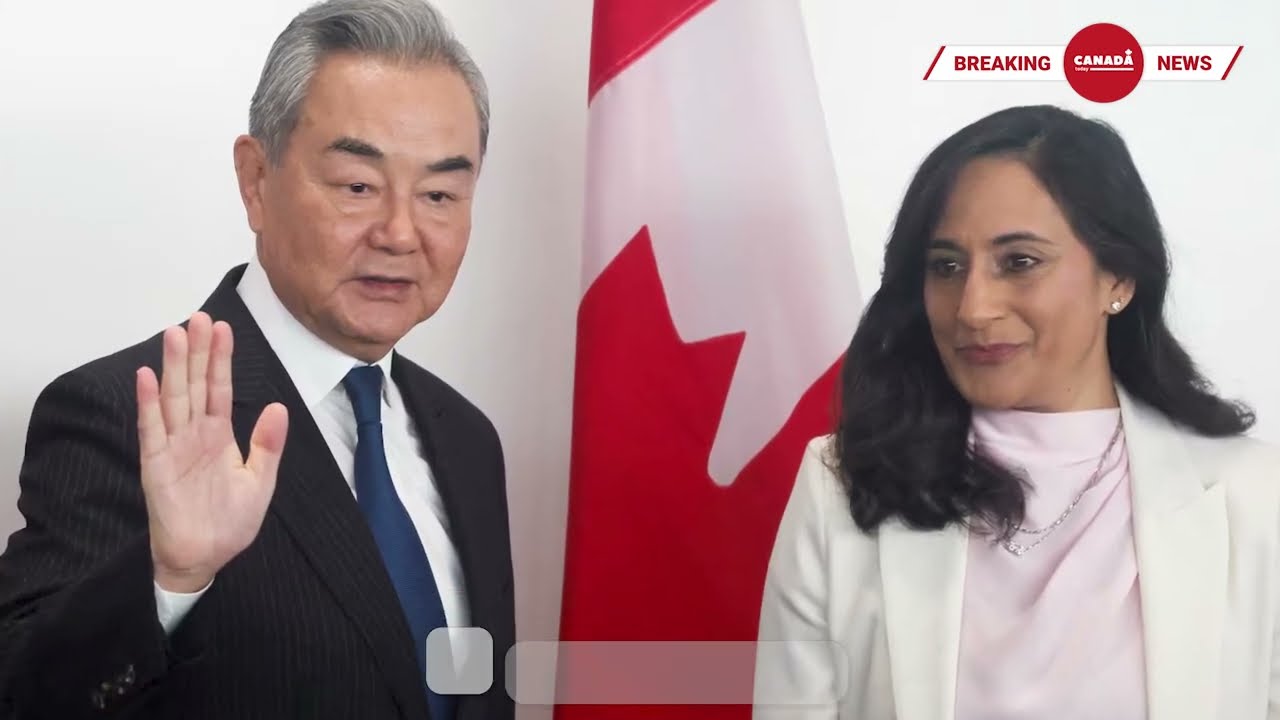
Behind the scenes in Washington, officials are privately expressing deep concern that Trump’s heavy-handed economic coercion has inadvertently backfired, systematically driving a crucial, resource-rich neighbor straight into the diplomatic embrace of America’s primary global economic and technological competitor.
Canadian businesses are welcoming the prospect of renewed market access, hoping that stable bilateral frameworks will finally resolve long-standing trade disputes, arbitrary agricultural restrictions, and maritime shipping bottlenecks that have plagued trans-Pacific commerce for nearly a decade.
However, conservative opposition politicians in Ottawa warn that rushing into a profound economic partnership with an authoritarian superpower carries immense national security risks, urging the Carney government to maintain strict vigilance over intellectual property and critical domestic infrastructure.
Despite these domestic political critiques, the sheer momentum of Wang Yi’s historic visit underscores a fundamental truth: the global economic landscape has permanently shifted, and Canada is no longer content to remain merely a passive bystander in Washington’s trade wars.
The symbolic messaging of this summit extends far beyond bilateral balance sheets, serving as a stark reminder to the White House that even the most deeply integrated economic alliances can fray when subjected to continuous, unpredictable political bullying.
As independent media outlets and digital political commentators dissect the broader implications of the Ottawa summit, the overarching narrative is rapidly evolving from a simple diplomatic story into a profound referendum on Canadian economic sovereignty in the twenty-first century.
The next four years will critical test the viability of Carney’s ambitious trans-Pacific trade targets, demanding sophisticated diplomatic balancing acts to avoid triggering punitive retaliatory measures from a vengeful, hyper-protectionist administration across the southern border.
Beijing’s state apparatus is masterfully exploiting the situation, utilizing the high-profile Canadian visit to demonstrate to other Western nations that economic engagement with China remains entirely possible and highly profitable, regardless of intense pressure from the United States.
“The world is rapidly adjusting to a fundamentally new Canadian foreign policy posture,” noted a veteran European diplomat stationed in Ottawa, describing Carney’s approach as a highly calculated, sophisticated exercise in modern macro-economic risk management.
By positioning Canada as a pragmatic bridge between competing global superpowers, the current liberal government hopes to secure a uniquely privileged position in the international order, leveraging its vast natural resources to attract massive sovereign wealth investments.
Yet, the true measure of success for this controversial boreal reset will ultimately depend on whether Beijing translates its warm diplomatic rhetoric into tangible, long-term market access for Canadian agricultural, tech, and clean energy sectors.
Washington’s counter-strategy remains to be seen, but any heavy-handed attempt to punish Canada for its diplomatic autonomy could easily backfire, further alienating a vital ally and cementing China’s strategic foothold in the North American geopolitical theater.
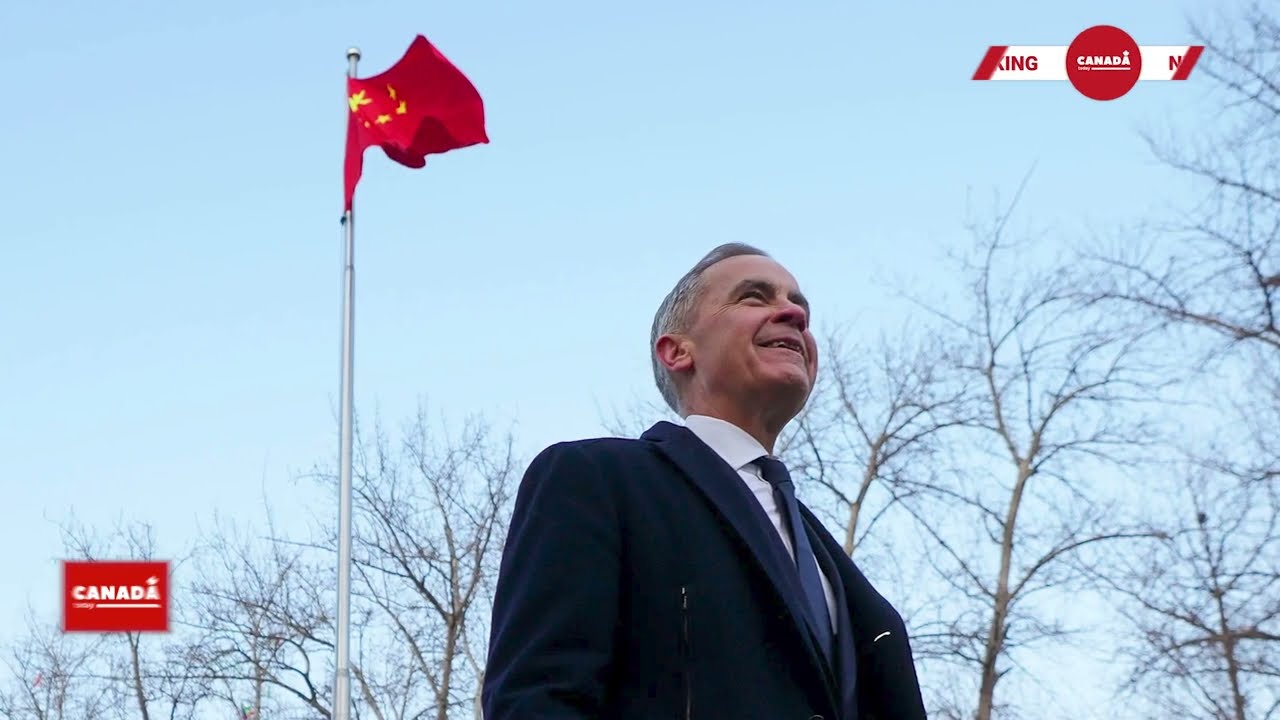
Amidst the intensifying media storm, ordinary Canadians view the sudden diplomatic thaw with a mixture of cautious optimism for job creation and lingering apprehension regarding the long-term geopolitical costs of closer ties with a communist regime.
The intense scrutiny surrounding Wang Yi’s historic arrival confirms that Ottawa has successfully elevated its global standing, transforming a frozen, stagnant relationship into a dynamic, highly consequential arena of modern superpower competition.
Carney’s strategic gamble represents a definitive break from the passive foreign policy dogmas of the past decade, signaling to global markets that Canada is actively rewriting its economic script to ensure survival in an increasingly chaotic world.
As the historic three-day summit concludes under the watchful eye of global observers, the evolving alliance between Ottawa and Beijing stands as a powerful testament to how rapidly political landscapes reshape when national resilience becomes a priority.






