For the first time in nearly a decade, China’s Foreign Minister Wang Yi is visiting Canada, marking a notable moment in a relationship that has long been defined by tension, mistrust, and frozen diplomatic engagement.

The visit is being closely watched by global observers, not only for what it represents bilaterally, but also for what it may signal about broader geopolitical and economic realignments taking shape across North America and Asia.
After years of strained relations, the tone between Ottawa and Beijing appears to be shifting. The visit comes shortly after Canadian Prime Minister Mark Carney traveled to China in an effort to reset diplomatic and economic ties. Wang Yi’s return visit is widely seen as a reciprocal gesture, suggesting a cautious reopening of dialogue between the two countries.
While officials have framed the meeting in standard diplomatic terms—focused on trade, communication, and mutual economic interests—the timing has drawn attention.
China’s Foreign Ministry has not historically made high-profile visits to Canada without strategic intent. Analysts suggest that Beijing’s renewed engagement may reflect a growing interest in stabilizing trade channels and exploring new investment opportunities with major advanced economies outside the immediate U.S. sphere.
At the same time, Canada appears to be reassessing its economic dependencies, particularly in light of years of trade friction, tariff disputes, and policy uncertainty tied to shifting U.S. administrations, including the era associated with Donald Trump’s aggressive trade stance.
The result is a more complex economic positioning by Canada, which is not moving away from the United States but increasingly working to broaden its set of global partnerships. Economists often describe this approach as “diversification of leverage,” where countries seek multiple trade anchors to reduce vulnerability to any single partner.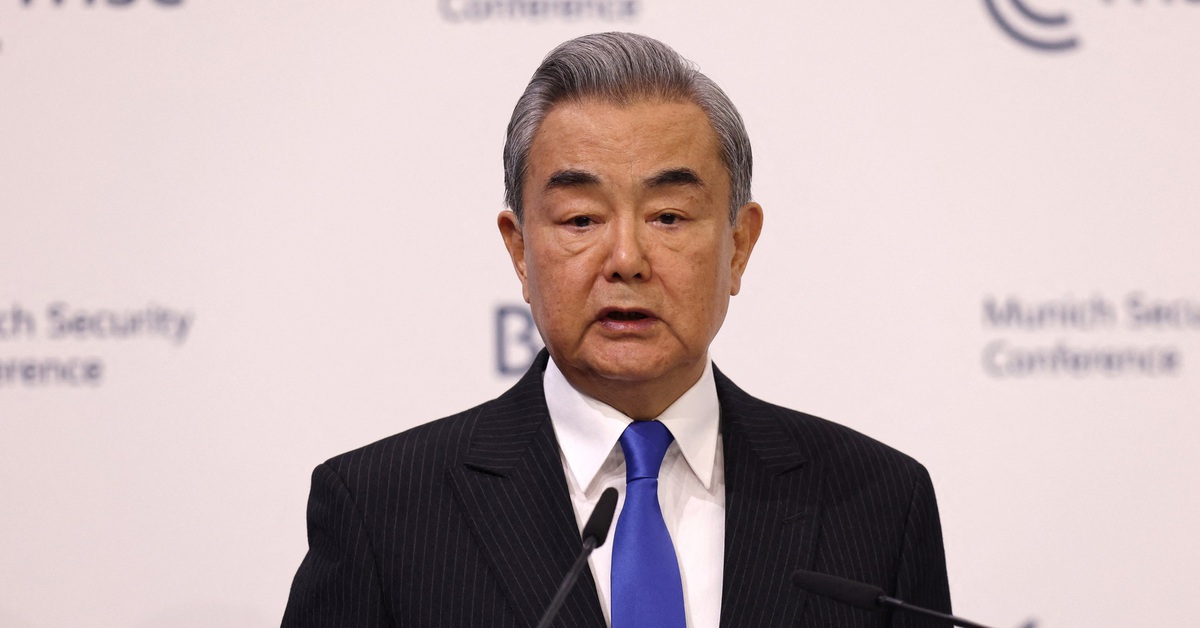
In that context, China’s renewed diplomatic outreach carries significant weight. Even incremental improvements in bilateral engagement could open doors for expanded trade flows, increased investment channels, and broader cooperation in areas such as energy, agriculture, and technology.
However, the situation remains delicate. Deep-seated political disagreements, human rights concerns, and security considerations continue to place limits on how far the relationship can realistically progress in the short term.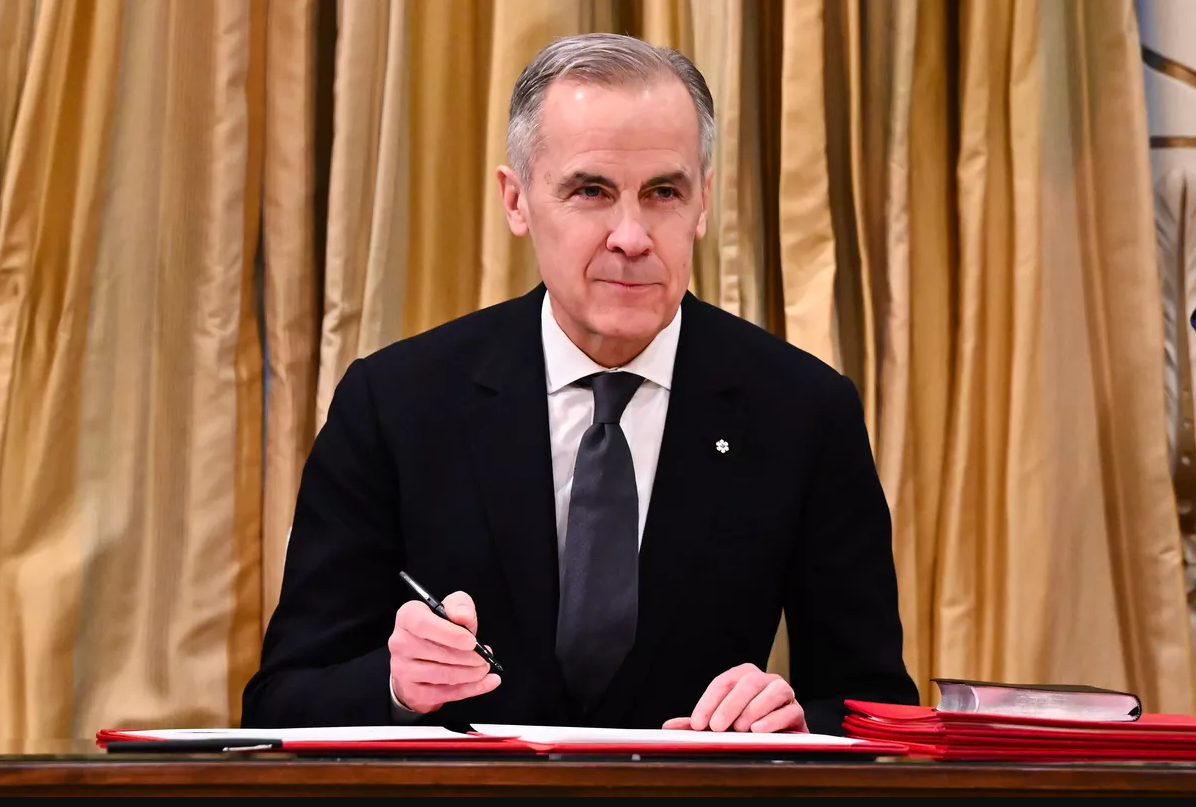
Still, the symbolism of the visit is difficult to ignore. After years of diplomatic distance, both sides appear willing to cautiously re-engage at a time when global supply chains and economic alliances are undergoing rapid transformation.
For Canada, the moment reflects a broader strategic balancing act: maintaining a strong relationship with the United States while simultaneously exploring new pathways in Asia’s largest economy.
For China, it signals an ongoing effort to rebuild and expand its diplomatic network with advanced economies amid an increasingly fragmented global trade environment.
Whether this visit marks a temporary thaw or the beginning of a longer-term recalibration remains to be seen. What is clear, however, is that global economic relationships are no longer static—and Canada now finds itself at the center of that shifting landscape.






