Trump Abruptly Ejects Press From Cabinet Meeting as Social Media Barrage, Federal Actions and Market Anxiety Collide
WASHINGTON — What was scheduled to be a routine, press-accessible Cabinet meeting on Tuesday morning ended abruptly and without explanation, as aides moved reporters out of the room just as questions were about to begin — an unusual moment that unfolded against a backdrop of escalating presidential rhetoric, legal controversy and growing unease inside and outside the administration.
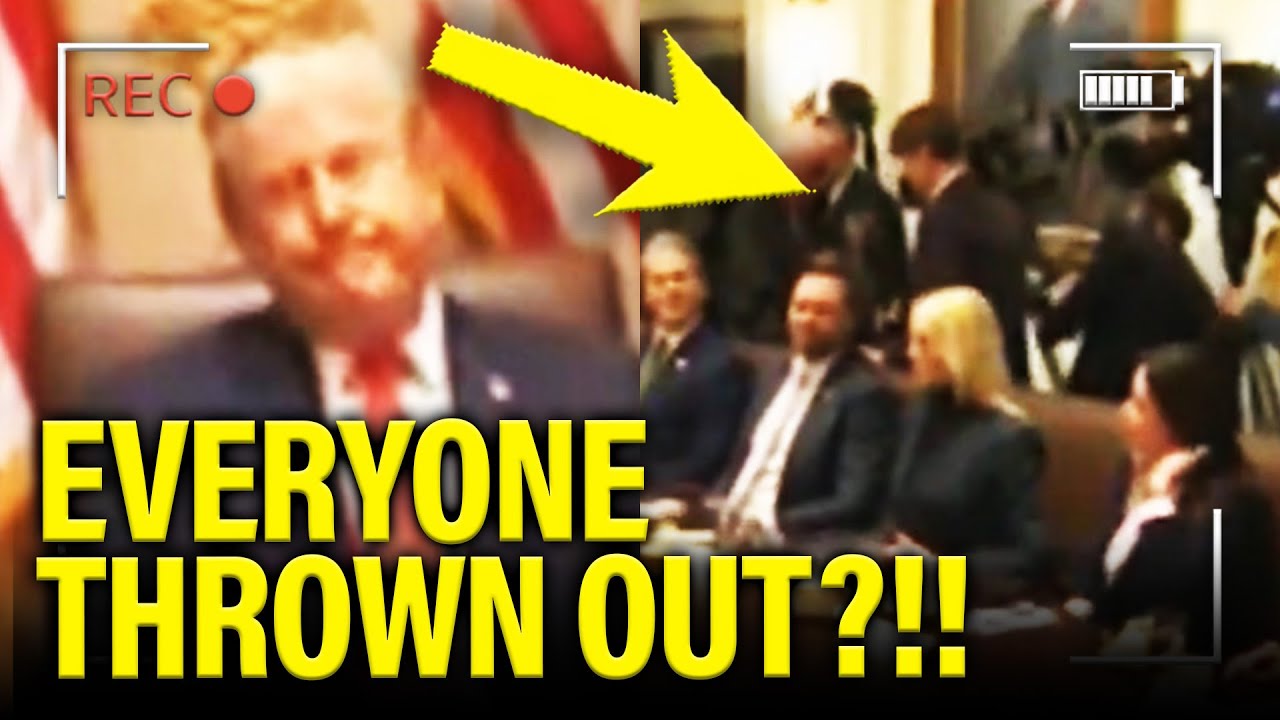
Video from the meeting shows Donald Trump thanking attendees before staff members directed reporters to leave, cutting off the session without taking questions. No official explanation was offered. The White House did not immediately respond to requests for comment about why the press was excluded or whether the decision had been made in advance.
The episode came amid an unusually volatile morning for the president, marked by a flurry of combative social media posts and renewed scrutiny of federal law enforcement actions, foreign policy initiatives and economic messaging — all of which have intensified concerns among critics, allies and market observers alike.

A Morning of Escalation
In posts published early Tuesday, Mr. Trump attacked Jerome Powell, accusing the Federal Reserve chairman of harming the economy and national security by refusing to cut interest rates. Mr. Powell and the Federal Open Market Committee have repeatedly emphasized the central bank’s independence, warning that political interference in monetary policy would undermine credibility and risk inflation.
The president also reposted content criticizing Alex Pretti, the Minnesota ICU nurse killed during a recent federal immigration enforcement operation — an incident that remains under investigation. Family attorneys and civil rights groups have disputed early government characterizations of the encounter and have called for an independent inquiry.
The posts added to a sense of instability that has become familiar in recent weeks, as the White House has alternated between signals of de-escalation and sharply confrontational rhetoric.

Scrutiny of Law Enforcement and Elections
At the same time, questions continue to swirl around a court-authorized FBI operation in Fulton County, Georgia, where federal agents removed stored ballots from the 2020 election. Local officials said they complied with the warrant but expressed concern about maintaining a clear chain of custody once the ballots left county control.
The operation followed repeated assertions by Mr. Trump that the 2020 election was illegitimate — claims rejected by courts and election officials but still embraced by some allies. Adding to the controversy, Ed Martin, a senior Justice Department official, posted photographs on social media alongside Sidney Powell, a prominent figure in efforts to overturn the election results. The images circulated widely online, drawing criticism from legal scholars who said the optics risked eroding public trust in prosecutorial independence.
The Justice Department declined to comment on the meeting or the photos.
Immigration Enforcement and Minnesota Fallout
In Minnesota, the administration has reshuffled leadership following backlash over the fatal enforcement operation. Tom Homan, the administration’s border enforcement coordinator, arrived in Minneapolis on Tuesday and addressed criticism of Immigration and Customs Enforcement.
Mr. Homan argued that heated rhetoric against ICE had contributed to violence, saying he had warned that “bloodshed” could result if criticism continued. Advocacy groups and Democratic officials rejected that framing, saying accountability and oversight were not incitement but a core function of democracy.
The remarks underscored how sharply divided the debate over immigration enforcement has become, even as polling suggests public discomfort with aggressive tactics has grown.
Economic Signals and Media Messaging
Economic anxiety has added to the sense of strain. Several large U.S. companies, including Amazon, have announced layoffs in recent weeks, citing cost pressures and restructuring. Economists note that while headline employment figures remain relatively strong, job insecurity and stagnant wages are weighing on consumer confidence.
On television, administration surrogates have largely avoided those concerns. On CBS News, Treasury Secretary Scott Bessent was asked about personal habits rather than layoffs or inflation. On Fox News, Energy Secretary Chris Wright claimed that keeping coal plants open under Mr. Trump had saved “hundreds of lives” during recent winter storms — a statement energy experts said lacked supporting evidence and ignored the role of grid management, weatherization and diversified energy sources.
The administration has also highlighted cultural programming, with Melania Trump making frequent media appearances to promote a forthcoming documentary film and to discuss humanitarian outreach involving Russia — remarks that drew attention because of ongoing tensions with Moscow and the prominence of Vladimir Putin in the administration’s diplomatic narrative.
Venezuela, Oil and Questions of Transparency
Meanwhile, a report by The Washington Post added fresh scrutiny to the administration’s handling of Venezuelan oil. The paper reported that two trading houses awarded contracts to broker Venezuelan oil sales had previously faced U.S. bribery prosecutions, raising questions about vetting and transparency. One senior trader at a firm involved had donated millions to Mr. Trump’s 2024 campaign, according to campaign finance records.
Administration officials said the arrangements were designed to stabilize energy markets and exert leverage over Caracas, but ethics experts said the overlap between campaign donations and government contracts warranted close examination.

Rising Tensions With Iran
Foreign policy concerns also loomed large. Iran announced live-fire military exercises near the Strait of Hormuz, a critical global shipping lane, while U.S. naval forces, including the USS Abraham Lincoln carrier strike group, moved through the region. Iranian officials warned that any U.S. strike would prompt immediate retaliation.
Oil prices rose sharply following the announcements, reflecting fears of disruption to global supply — a development likely to be felt quickly by American consumers at the gas pump.
An Unanswered Question
The decision to expel reporters from the Cabinet meeting offered a vivid snapshot of an administration under pressure, navigating multiple crises at once while increasingly limiting unscripted public engagement.
Presidents of both parties have at times curtailed press access during sensitive moments. But the abruptness of Tuesday’s move — paired with the president’s visible agitation online — raised questions about whether the White House is struggling to contain the narrative.
For now, the administration insists it is delivering results on energy, security and the economy. Critics argue that the combination of secrecy, confrontational rhetoric and unresolved investigations is eroding public confidence at a fragile moment.
What was meant to be a routine Cabinet session instead became another data point in a presidency defined by unpredictability — and by an ever-narrowing space between governance and crisis management.






