Reports of a secret uranium pact between Canada and India have ignited controversy across global capitals, with critics claiming the move signals a dramatic realignment in nuclear geopolitics. Framed by some analysts as a betrayal of long-standing U.S. interests, the alleged agreement has fueled headlines about a weakening American influence and a rapidly evolving balance of power in the Indo-Pacific region.
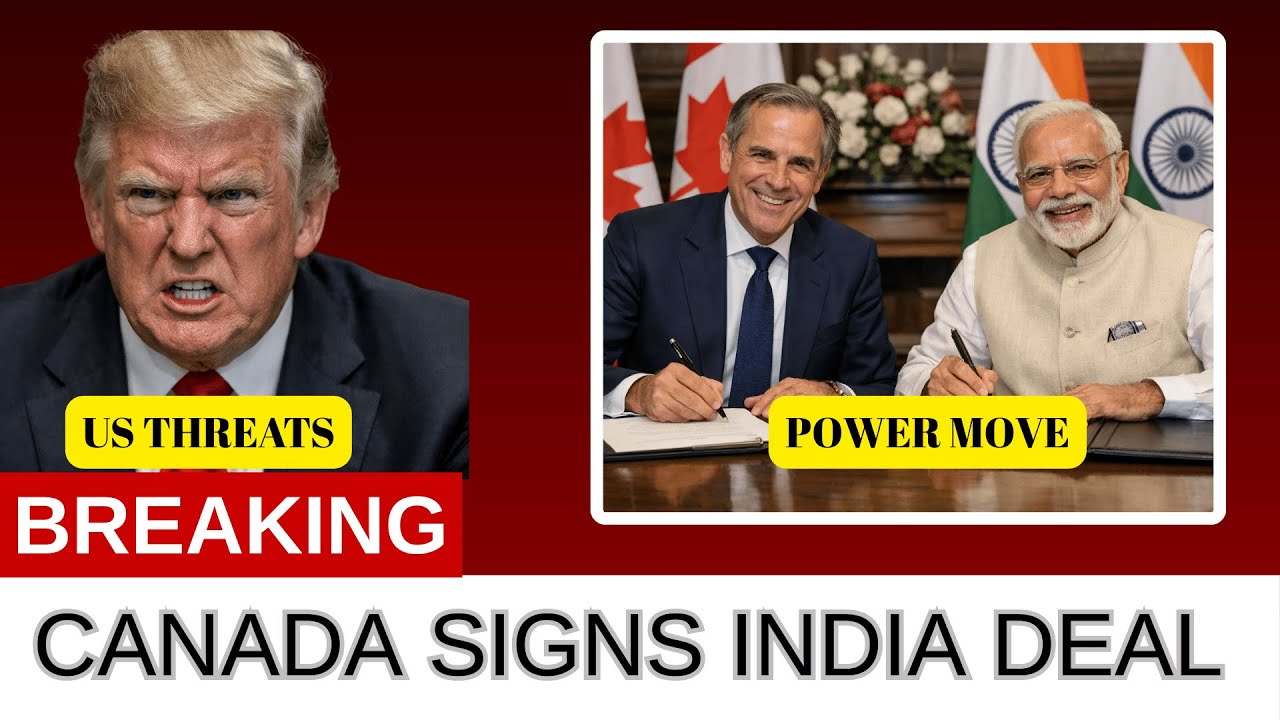
According to sources familiar with the matter, Canada’s rumored decision to deepen nuclear cooperation with India centers on uranium supply and civilian nuclear energy expansion. While Ottawa has publicly emphasized energy security and climate goals, skeptics argue the deal could sidestep Washington’s strategic preferences, raising questions about alliance loyalty and transparency among Western partners.
The situation intensified when Indian authorities reportedly moved to assert tighter national control over nuclear materials and infrastructure linked to foreign cooperation. Supporters in New Delhi describe this as a sovereign decision to protect national interests, while critics warn it could restrict international oversight and strain existing non-proliferation mechanisms.
In Washington, the reaction has been swift and uneasy. Political commentators portray the episode as another sign of a shrinking U.S. empire, increasingly challenged as emerging powers pursue independent energy and security strategies. Although U.S. officials have avoided confirming the most dramatic claims, the perception alone has amplified fears of a geopolitical meltdown.
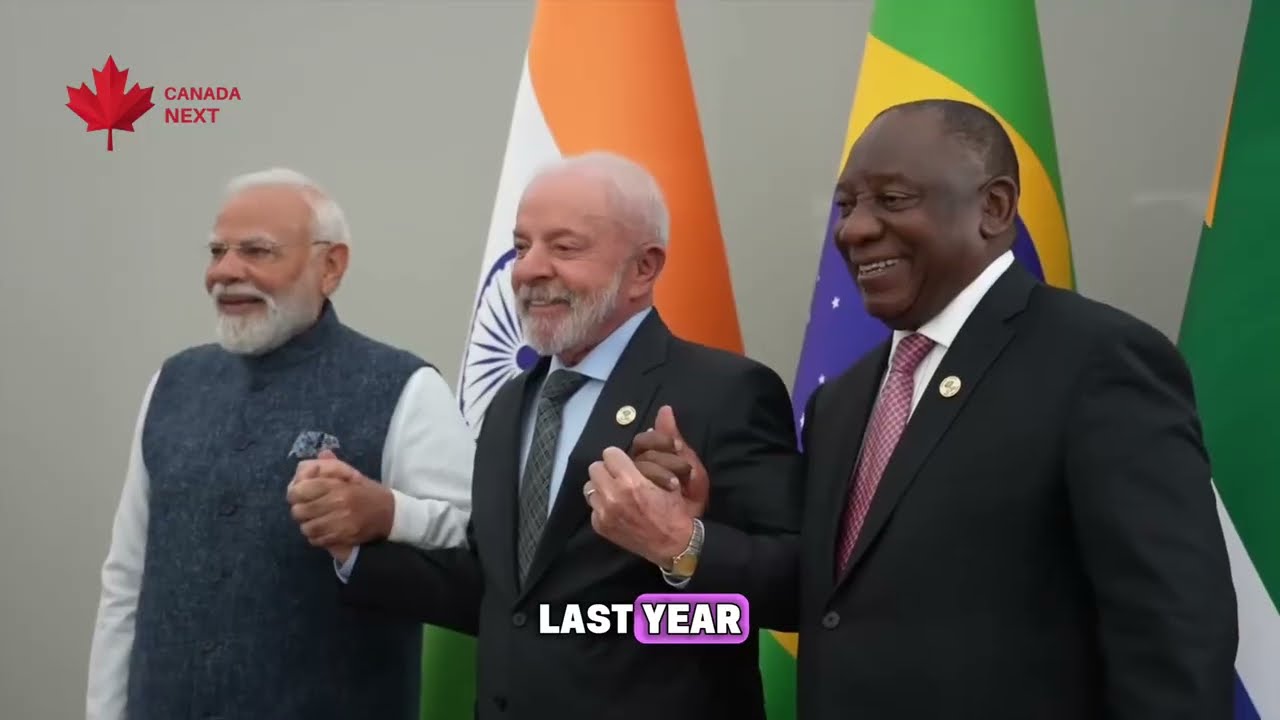
Experts urge caution, noting that the reality may be far more nuanced than viral headlines suggest. Canada–India nuclear cooperation is not unprecedented, and India’s firm control over its nuclear sector has long been established. However, the timing—amid global energy instability and strategic rivalry—has amplified the deal’s symbolic impact on U.S. foreign policy.
Whether this development represents a genuine collapse of American influence or merely a recalibration of global alliances remains uncertain. What is undeniable is that nuclear energy diplomacy, uranium supply chains, and national sovereignty have returned to the center of world politics, ensuring that Canada, India, and the United States stay entangled in a high-stakes strategic narrative for years ahead.






